
Blooming
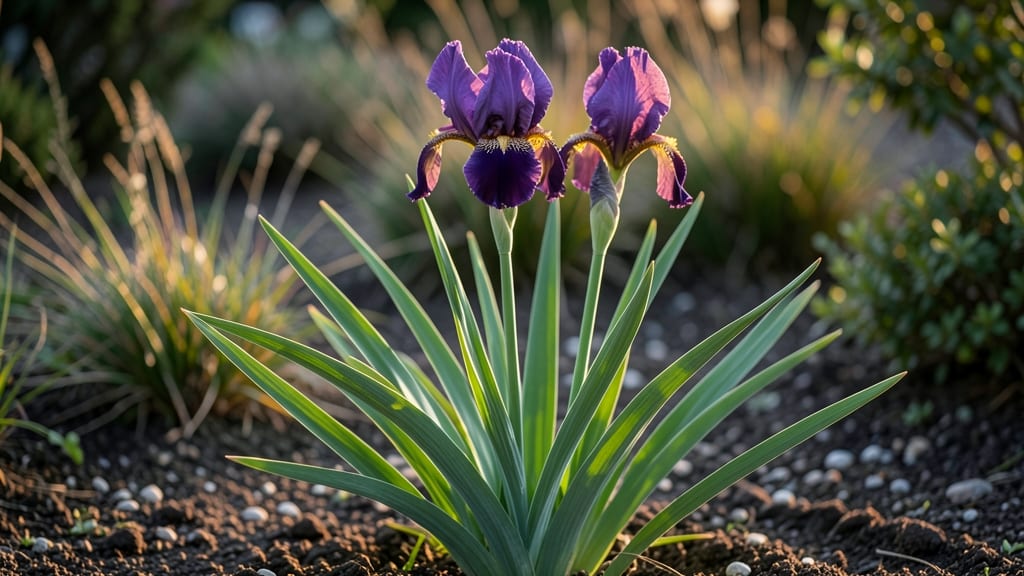
The iris flower season is a vibrant burst of color that turns gardens into living art—when you time it right. If you’ve ever dreamed of a garden bursting with irises—from deep purples to sunny yellows—timing is everything.
Knowing when and where your iris varieties bloom can transform your outdoor space into a seasonal masterpiece. The wrong season or climate, and you might miss the show entirely.
Not all irises bloom at the same time, and regional differences mean a Southern Hemisphere spring (September–November) isn’t the same as the Northern Hemisphere’s (March–May). Whether you’re in USDA Zone 6a or further south, understanding these cycles is the key to year-round blooms.
In this guide, I’ll break down the best planting seasons, how to extend your iris flower season, and care tips tailored to your climate—so you can enjoy those stunning 🌸 blooms for months.
Iris flower season by color: bloom times for popular varieties
Irises are nature's showstoppers, and their bloom seasons vary dramatically by color variety. Whether you're chasing early spring blooms or late-season splashes of color, knowing which iris varieties thrive when makes all the difference.
In the U.S. and Europe, iris seasons can stretch from February to June, with some rare varieties even reblooming in fall.
Blue irises, like the iconic German Iris, often steal the show in late spring, while yellow irises such as 'Golden Harvest' burst forth in early spring. Purple varieties like 'Katherine Hodgkin' can bloom as early as March or as late as May, depending on your climate.
Even white irises, like 'White Swan,' have their own timing quirks, often gracing gardens in mid-to-late spring.
Here's a quick guide to help you plan your iris garden for maximum impact, no matter your location:
If you're in the U.S. South, you might spot early bloomers like 'Professor Blume' as soon as February, while gardeners in Zone 5 should expect their irises to wait until late April.
European gardeners will find their spring irises peak in May and June, with some hardy varieties even blooming in September.
For yellow irises, timing is critical—they often bloom 2-3 weeks earlier than their blue or purple counterparts. This makes them perfect for early spring borders, where they can brighten up gardens before other perennials take over.
My Golden Harvest irises, for example, always seem to wake up first in my garden, signaling that spring has truly arrived.
Don’t overlook white irises if you want a soft, romantic look. Varieties like 'White Swan' bloom later in the season, often in mid-to-late spring, and pair beautifully with purple clematis or deep blue delphiniums.
Their timing ensures they don’t compete with early bloomers but still make a striking statement.
If you're chasing rare iris colors, be prepared for a bit more patience. Varieties like 'Black Gamecock' (a deep burgundy) or 'Red Baron' (a true red) often bloom in late spring and may require extra sunlight and well-draining soil to thrive. These showstopper varieties are worth the wait, though!
Pro tip: To
Best regions and climates for year-round iris blooms
If you love irises, you know their seasonal bloom patterns can vary wildly depending on where you live. While most gardeners associate irises with spring blooms, some varieties—with the right care—can extend their show into fall or even winter in ideal climates.
The key lies in understanding your USDA hardiness zone and local microclimates.
Coastal regions, like Pacific Northwest gardens, often enjoy milder winters that allow late-season irises to thrive. Meanwhile, desert climates in zones 7–9 can push blooms into early spring with minimal stress. Even temperate zones 3–6 can coax extra blooms by adjusting planting times and soil prep.
🌱 Key Takeaway: Extending Iris Bloom Seasons
Plant early fall for spring blooms; use mulch to protect roots.
Coastal areas can bloom year-round; desert zones need shade in summer.
Deadhead spent blooms to encourage reblooming in compatible varieties.
Pro Tip: Bearded irises in zones 5–8 often rebloom if given consistent moisture and partial shade in summer.
For coastal gardeners, the Pacific Northwest and California coastlines provide perfect conditions. The moderate temperatures and high humidity allow irises to bloom as early as late winter and extend into early fall.
Varieties like 'Blue Flag' and 'Pacific Coast Iris' thrive here, often producing two bloom cycles per year with minimal effort.
In desert climates, such as Arizona or Nevada, irises benefit from morning sun and afternoon shade.
This adaptation prevents heat stress and encourages blooms in early spring and fall. Dwarf varieties, like 'Little Gem', are ideal for these conditions, as they require less water and handle intense sunlight better than taller types.
Temperate zones, including New England and the Midwest, can still extend iris seasons with strategic planting. By dividing established clumps in early fall, you can push blooms into late spring or early summer. Adding a layer of compost before winter also boosts root health, leading to longer bloom seasons the following year.
No matter your climate, soil drainage is non-negotiable. Irises hate soggy roots, so amend heavy soils with sand or perlite. In container gardens, use pots with drainage holes and a fast-draining mix to keep rhizomes happy year-round.
With these climate-specific tips, your irises can bloom nearly year-round, turning your garden into a colorful haven from spring to frost. 🌸