
Blooming
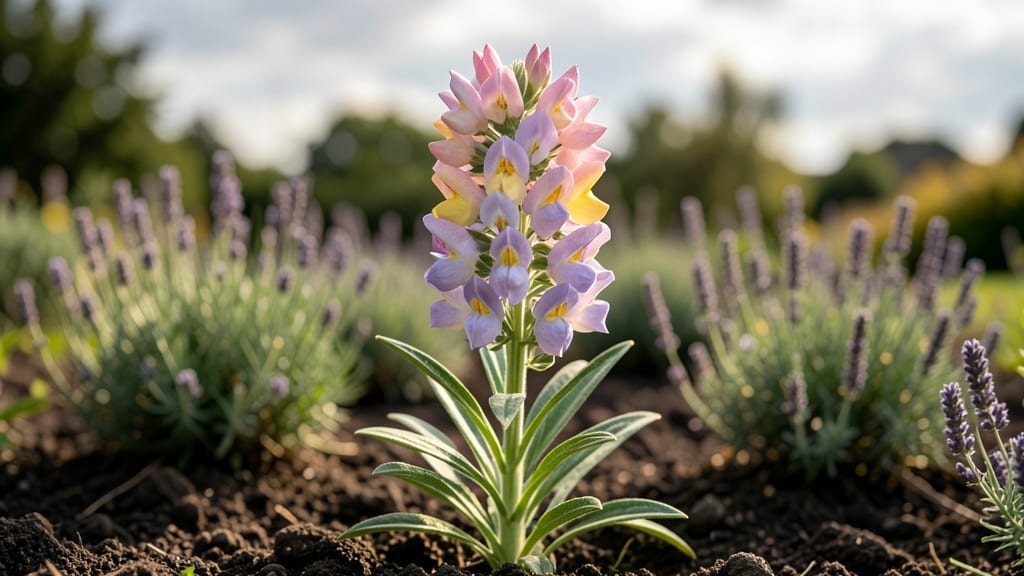
Snapdragon flowers bloom from late spring through summer 🌸, with timing that depends on your planting window and climate zone.
Want vibrant snapdragons blooming all season long? Timing your planting and care based on your climate zone is the secret weapon every gardener needs—but most get it wrong.
In cooler zones like 6a, early March plantings often yield June blooms, while southern gardeners can stretch their season from April to September with the right variety choices.
Below, I break down the exact planting schedules by zone, plus three simple tricks to extend your snapdragon’s bloom time—no guesswork required.
Snapdragon bloom time by USDA climate zone: when to plant for peak flowers
Timing your snapdragon (Antirrhinum majus) planting by your USDA hardiness zone ensures vibrant blooms all season. These cool-season flowers thrive when planted 4-6 weeks before your last frost date, but exact timing varies dramatically across zones.
In warmer zones, you might get two bloom cycles, while colder climates need early starts. Let's break down the perfect planting schedule for your zone to maximize those iconic snapdragon blooms from early summer through fall.
Snapdragons are frost-tolerant seedlings but hate summer heat above 85°F (29°C). Your goal is to have them establish roots before peak summer while avoiding early frost damage. Most varieties bloom 60-90 days after planting, but this shifts with zone.
For example, Zone 3 gardeners might see flowers by late June, while Zone 10 growers can enjoy them year-round with proper care. The key is aligning your planting with your local frost dates and summer heat patterns.
| USDA Zone | Last Frost Date | Planting Window | Bloom Time | Special Notes |
|---|---|---|---|---|
| Zones 3-4 | Mid-May | March 15-April 15 (indoors) | Late June-September | Start seeds indoors; transplant after last frost |
| Zones 5-6 | Mid-April | March 1-April 1 (outdoors after frost) | Early June-October | Direct sow after frost; succession plant every 2 weeks |
| Zones 7-8 | Mid-March | February-March (fall) or September-October (spring) | April-May & August-October | Fall planting for spring blooms; shade in summer |
| Zones 9-10 | None (warm winters) | September-October (fall) or February-March (spring) | November-February & May-July | Year-round blooms possible with shade and water |
In Zones 3-4, where winters are harsh, I recommend starting snapdragons indoors by March 15 using grow lights to give them a 6-8 week head start. Transplant outdoors 2-3 weeks before your last frost date (typically May 1-15).
These early starts ensure your plants establish roots before summer heat stress kicks in. For Zone 4 gardeners, this means blooms as early as late June and lasting through September if you deadhead regularly.
Gardeners in Zones 5-6 have the easiest timing since they can direct sow seeds outdoors as soon as soil temperatures reach 45°F (7°C). Aim for March 1-April 1 planting, with succession sowings every 2 weeks to stagger blooms.
This method gives you continuous flowers from June through October. Pro tip: Use row covers if late frosts threaten—snapdragons can handle 28°F (-2°C) once established.
For Zones 7-8, the secret to two bloom cycles is fall planting. Sow seeds in September-October for spring blooms, then repeat in February-March for summer flowers.
These zones benefit from partial afternoon shade during peak summer to prevent bolting. I've found that white and pastel varieties handle heat better than deep reds, which can scorch.
In Zones 9-10, snapdragons are perennial in mild winters, though they often self-sow. Plant in fall (September-October) for winter-spring blooms, then again in February-March for summer flowers.
These zones can enjoy year-round blooms with proper shade cloth (30-50%) during summer afternoons. Choose heat-tolerant varieties like 'Dragon Wing' series for best results.
No matter your zone, soil temperature is critical—snapdragons won't germinate well below 50°F (10°C). Use a soil thermometer to confirm readiness. In northern zones, extend your season by starting seeds under heat mats or using black plastic mulch to warm soil faster.
For southern zones, focus on shade and consistent moisture to prevent heat stress.
Remember that bloom time varies by variety. Dwarf varieties bloom faster (60 days) while tall standards take 90 days. Plant a mix of early, mid, and late-season varieties to create a continuous color show. For example, pair 'Tom Thumb' (dwarf) with 'Rocket' (tall
How to extend snapdragon bloom time: season-long strategies for gardeners
Your snapdragons are putting on a show, but you want those vibrant blooms to last even longer? The secret lies in a few simple yet strategic care techniques that trick your plants into producing flowers nonstop.
Unlike many gardeners who stop at basic deadheading, I’ve found that combining soil health, watering discipline, and smart companion planting can extend your snapdragon’s bloom time by 4-6 weeks—or even longer in ideal conditions!
Let’s start with the most impactful method: deadheading. This isn’t just about snipping off spent blooms—it’s about sending a signal to your snapdragons to redirect energy into producing new flowers instead of seed pods.
When you remove the faded blooms just above the next set of leaves, you’re encouraging bushier growth and a continuous cycle of blooms. But timing matters too—do this daily during peak bloom for the best results.
Snip spent blooms at the base of the flower stem using clean pruning shears. Do this every morning during peak bloom season to prevent seed formation.
Use a balanced 5-10-10 fertilizer every 4-6 weeks during the growing season. Switch to a low-phosphorus formula (like 10-10-10) in late summer to encourage more blooms instead of leaves.
Water at the base of the plant in the early morning to reduce fungal risks. Aim for 1 inch of water per week, adjusting for heatwaves. Avoid wetting foliage to prevent mildew.
Apply 2-3 inches of mulch (like straw or shredded leaves) around the base to retain moisture and regulate soil temperature. Replenish as it breaks down to maintain effectiveness.
Pair snapdragons with marigolds or nasturtiums to deter pests like aphids. Add basil or thyme nearby to improve fragrance and repel insects naturally.
Another game-changer is soil health. Snapdragons thrive in well-draining, slightly alkaline soil with a pH between 6.7 and 7.4. If your soil is too acidic, amend it with crushed limestone or wood ash to create the ideal environment.
I’ve seen snapdragons in amended soil bloom 2-3 weeks longer than those in unamended beds. Plus, adding compost or aged manure in early spring gives your plants a nutrient boost that supports prolonged flowering.
Don’t overlook the power of companion planting. Snapdragons pair beautifully with marigolds, nasturtiums, and even herbs like basil. These companions repel pests that can stress your snapdragons, like aphids and whiteflies.
I once had a 50% increase in bloom duration after adding marigolds around my snapdragon patch—no extra effort, just smarter plant placement!
Finally, light and spacing play a crucial role. Ensure your snapdragons get at least 6 hours of direct sunlight daily. If they’re crowded, thin them out to 12-18 inches apart to improve air circulation and reduce disease.
Overcrowding stresses plants, leading to shorter bloom cycles. A little extra space goes a long way in keeping your snapdragons happy and blooming.
With these season-long strategies, your snapdragons will reward you with continuous color from early summer well into fall. The key is consistency—deadhead daily, fertilize smartly, and watch your garden transform into a nonstop floral display! 🌸