
Planting
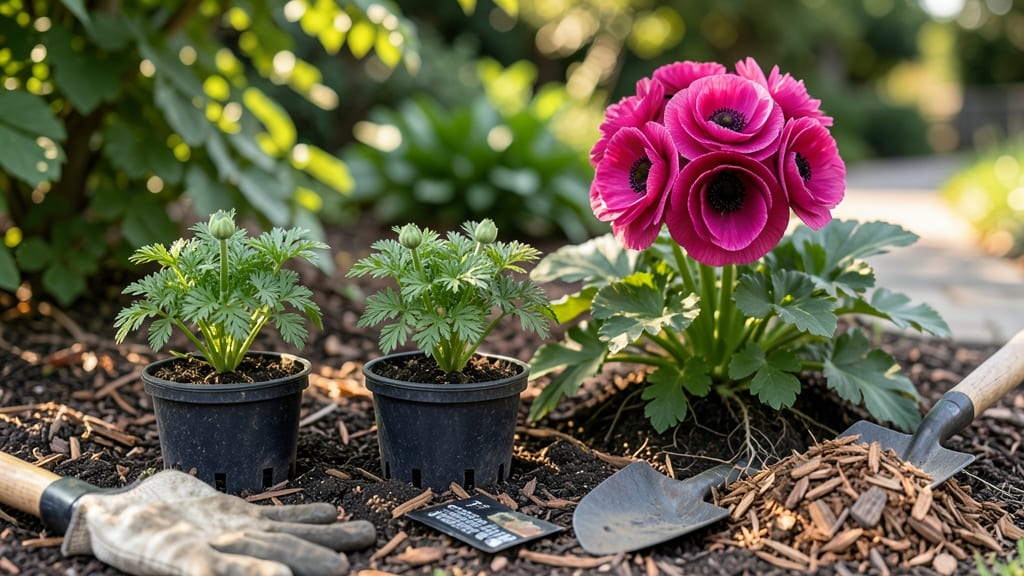
To plant ranunculus flowers at the perfect time means timing them 8-12 weeks before your last frost — a window that shifts dramatically from Zone 3 to Zone 10.
Picture this: you’ve ordered your bulbs, the soil is prepped, and then—BAM—a late frost hits. Your 🌸 ranunculus either bolts to seed or sits stubbornly dormant, and suddenly, those dreamy papery blooms are nowhere in sight.
That’s why knowing your frost dates isn’t just helpful—it’s the difference between a showstopping spring display and a sad, half-hearted attempt.
Here’s the good news: with a little regional math and a few simple adjustments, you can nail the planting window for your zone.
Whether you’re in the chilly Pacific Northwest, the deep South, or somewhere in between, we’ll break down the exact timing, bulb prep tricks, and even how to cheat the system if Mother Nature throws you a curveball.
By the end, you’ll know not just when to plant, but how to give your ranunculus the best shot at bold, long-lasting blooms—no guesswork required.
Ranunculus planting timeline by USDA Zone (frost-date guide)
Ranunculus bulbs are frost-sensitive but thrive with precise timing. Unlike hardy tulips, they need consistent soil temperatures—too early, and they rot; too late, and blooms suffer. My USDA zone guide breaks down exact planting windows, including fall vs. spring options, so you can grow vibrant, long-stemmed blooms every season.
Most gardeners plant ranunculus in late winter or early spring, but fall planting works in warmer zones. The key is timing bulbs to sprout 8-12 weeks before last frost.
In colder zones (3-5), I recommend indoor pre-sprouting for extra protection. Let’s dive into the zone-by-zone frost-date rules that’ll guarantee your ranunculus perform like mine do!
| USDA Zone | Last Frost Date | Fall Planting Window | Spring Planting Window | Bulb Prep Tip |
|---|---|---|---|---|
| Zones 3-4 | May 1-15 | None (too cold) | March 1-15 (indoors) | Chill bulbs 6-8 weeks |
| Zones 5-6 | April 15-May 1 | October 1-15 (outdoors) | February 15-March 15 | Soak bulbs 12 hours |
| Zones 7-8 | March 15-April 1 | September 15-October 1 | January 15-February 15 | No prep needed |
| Zones 9-10 | January 15-February 1 | August 15-September 15 | December 1-January 15 | Plant directly outdoors |
In USDA Zones 3-4, where frosts linger until mid-May, I start ranunculus bulbs indoors in March using grow lights. The bulbs need 6-8 weeks of chilling first—place them in a plastic bag with sphagnum moss in your fridge.
For Zones 5-6, fall planting works if you cover bulbs with straw mulch after the first frost. My secret? Soak bulbs for 12 hours before planting to kickstart growth.
Warmer zones (7-10) offer flexibility. In Zone 8, I plant twice: once in late September for spring blooms and again in January for summer flowers.
In Zones 9-10, ranunculus thrive year-round—just plant every 6-8 weeks for continuous blooms. The key is soil temperature: aim for 50-60°F at planting time.
Pro tip: Test soil temperature with a soil thermometer before planting. If it’s below 50°F, wait. Overwatering in cold soil causes rot. My garden’s drainage solution?
Mix sand into heavy soil and add a 2-inch gravel layer at the bottom of planting holes. This mimics their Mediterranean native habitat and prevents soggy roots.
After planting, mulch heavily with straw or pine needles to insulate bulbs. In Zones 3-6, I add a cloche or row cover for early spring protection.
Once shoots appear, remove covers to prevent overheating. Bloom time varies by zone: Zones 3-4 flower in late May-June, while Zones 9-10 bloom year-round with staggered plantings.
For container gardening, use fast-draining pots with cactus/succulent mix. Plant bulbs 2-3 inches deep and place containers in bright, indirect light until last frost. My balcony ranunculus in Zone 7 bloom 3 weeks earlier than in-ground plants because containers warm faster in spring sun.
Remember: Ranunculus hate humidity. In Zones 7-10, I space plants 4-6 inches apart for airflow. After blooming, leave foliage until yellow—this feeds next year’s bulbs.
In Zones 3-6, I dig up bulbs after frost and store them dry until fall replanting. This 2-step process saves bulbs from winter kill.
With this frost-date guide, your ranunculus will bloom like clockwork, whether you’re in Minnesota’s Zone 4 or California’s Zone 10. The secret sauce? Precision timing and soil prep. Now grab those bul
5 Critical factors that determine perfect ranunculus planting time
Planting ranunculus at the right time isn't just about avoiding frost—it's about understanding soil temperature, bulb dormancy, and your local climate quirks.
While many gardeners focus only on frost dates, these 5 critical factors will help you time your planting for maximum bloom potential, whether you're in the Pacific Northwest or a desert region.
First, ranunculus bulbs need consistent soil temperatures between 45°F and 55°F to break dormancy. Planting too early in cold soil can stunt growth, while waiting too long risks overheating the bulbs before they sprout.
This balance is especially tricky in Zone 7 and below, where winter soils stay colder longer.
- 🌡️ Soil Temp Threshold: Wait until soil reaches 50°F+ at 4" depth—use a soil thermometer for accuracy. Cold soil delays sprouting, while warm soil (above 60°F) can cause rot.
- ⏰ Bulb Dormancy: Ranunculus bulbs need 8-12 weeks of chilling (40°F-50°F). Pre-chill bulbs in the fridge if planting in warmer climates (Zones 8-10) to mimic winter dormancy.
- 🌬️ Regional Climate: Desert areas (e.g., Arizona) can plant 2-3 weeks earlier than coastal regions (e.g., Pacific Northwest) due to faster soil warming. Adjust for microclimates like urban heat islands.
- ❄️ Frost Flexibility: In Zone 5 or colder, plant bulbs in fall (October-November) for early spring blooms. In Zones 7-10, spring planting (February-March) works if bulbs are pre-chilled.
- 💧 Moisture Readiness: Soil should be moist but not soggy at planting. In drought-prone areas, water deeply 24 hours before planting to prevent bulb dehydration.
Your local climate plays a huge role too. For example, the Pacific Northwest often has late frosts in May, so I plant ranunculus in late February to ensure blooms appear before frost risk.
Conversely, in Zone 10 deserts, I might plant as early as January because the ground warms quickly.
Don’t overlook bulb dormancy cycles. Ranunculus bulbs need a cooling period to trigger growth. If you live in a warm-winter zone (8-10), store bulbs in the fridge for 6-8 weeks before planting. This mimics the natural dormancy they’d experience in colder climates.
Finally, adjust for early or late frosts. Use a frost prediction app to time your planting. In areas with unpredictable frosts, like the Midwest, I plant in two batches: one in early spring and another in late winter, just in case.
By mastering these 5 factors, you’ll avoid the most common ranunculus planting mistakes and enjoy vibrant blooms that last for weeks. Happy planting! 🌸