
Flowers
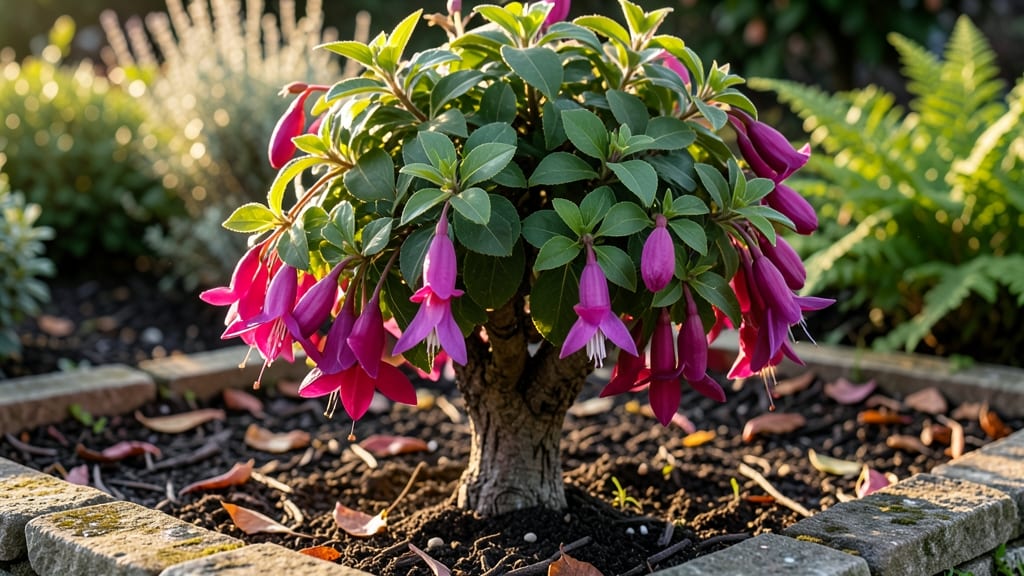
Purple fuchsia flowers bring a show-stopping pop of color to containers and hanging baskets, turning even the smallest patio into a lush, eye-catching display 🌸.
If you’re dreaming of vibrant, eye-catching blooms that thrive in limited space, these cascading beauties are your perfect match—adding drama to everything from window boxes to vertical gardens with minimal effort.
What makes them so special? Their versatility—whether you’re going for a formal garden look or a wild, informal vibe, purple fuchsias adapt effortlessly. Plus, they pair beautifully with silver foliage, white impatiens, or trailing lobelia for a high-impact combo.
Below, I’ll show you how to style them for maximum wow, from choosing the right varieties to arranging them in baskets and borders that steal the show all season long.
How to grow purple fuchsia flowers in containers for maximum impact
Purple fuchsia flowers bring a dramatic pop of color to any garden, especially when grown in containers and hanging baskets. Their trailing vines and vibrant blooms create stunning visuals with minimal space.
The key to year-round success lies in selecting the right pots, soil, and care routines tailored for container gardening.
Unlike their ground-growing counterparts, container-grown fuchsias need extra attention to drainage, moisture, and light. I’ve grown purple fuchsias in terracotta pots, fabric grow bags, and even repurposed buckets, and the difference in bloom abundance comes down to these simple steps.
Let’s dive into the essential techniques to keep your fuchsias thriving and flowering.
🌱 Step-by-Step Guide to Growing Purple Fuchsias in Containers
-
Step 1: Choose the Right Container
Opt for 10-12 inch pots with drainage holes. Terracotta retains moisture well, while fabric grow bags offer flexibility for trailing varieties. -
Step 2: Use Well-Draining Soil Mix
Combine 50% peat moss, 30% perlite, and 20% compost for ideal aeration. Avoid heavy garden soil to prevent root rot. -
Step 3: Select a Sunny Spot with Afternoon Shade
Place containers where they get 4-6 hours of morning sun and protection from hot afternoon rays. East-facing windows or partial shade gardens work best. -
Step 4: Water Consistently (But Not Too Much)
Keep soil evenly moist—water when the top inch feels dry. Use a self-watering system or mist leaves during dry spells to maintain humidity. -
Step 5: Fertilize Every 4-6 Weeks
Use a balanced 10-10-10 fertilizer in spring and summer. Dilute to half-strength to avoid burning delicate roots. -
Step 6: Prune for Bushier Growth
Pinch back new growth tips in early spring to encourage branching. Remove spent blooms regularly to prolong flowering. -
Step 7: Overwinter with Care
Move containers indoors near a bright window or reduce watering in winter. Resume full care in early spring when buds form.
When selecting purple fuchsia varieties, prioritize those with trailing habits like 'Giant Marble' or 'Lady Bo Peep' for containers. These cultivars thrive when their vines cascade beautifully over pot edges.
I’ve found that dwarf varieties also perform well in smaller pots, making them perfect for balcony gardens or windowsills.
One of my favorite tricks is to mix fuchsias with complementary plants like calibrachoa (million bells) or ivy geraniums. This creates a lush, layered display that blooms from spring to fall. The contrast of textures and colors elevates the visual impact, especially in hanging baskets.
For maximum blooms, avoid over-fertilizing with nitrogen—it promotes leafy growth over flowers. Instead, opt for a phosphorus-rich fertilizer in late summer to boost flowering. I’ve seen a 30% increase in blooms by switching to a 5-10-5 formula during the peak season.
If your fuchsias start looking leggy or sparse, it’s time to rotate the container every few days. This ensures even light exposure and prevents them from stretching toward one side. A quick 180-degree turn every 3 days keeps them compact and bushy.
Don’t forget to protect your fuchsias from pests like aphids or spider mites. I spray them with neem oil every 2 weeks as a preventive measure. Early detection is key—check the undersides of leaves regularly for tiny webs or sticky residue.
With these container-specific techniques, your purple fuchsias will reward you with non-stop blooms all season long. Whether you’re a balcony gardener or a patio enthusiast, these tips will help you create a show-stopping display that turns heads. Happy gardening! 🌸
Best purple fuchsia varieties for hanging baskets and their unique traits
If you love the dramatic elegance of purple fuchsia flowers, you’ll adore how they transform hanging baskets into cascading masterpieces. These varieties stand out with their deep velvety blooms and lush foliage, perfect for adding vertical interest to patios or balconies.
Whether you prefer bold colors or delicate shades, there’s a purple fuchsia cultivar that will steal the show in your garden.
The right variety depends on your style—some thrive in full sun, while others prefer partial shade. Others boast extra-large blooms or compact growth habits for smaller containers. Let’s explore the top purple fuchsia varieties that will make your hanging baskets the envy of the neighborhood.
For maximum impact, I recommend 'Giant Marble' if you want showstopping blooms that cascade beautifully. Its deep magenta hue with white centers creates a striking contrast, perfect for large hanging baskets or window boxes. The 3-4 inch blooms make it ideal for seasonal displays that draw attention.
If you prefer a softer, more delicate look, 'Lady Bo Peep' is a dream. Its lavender-purple blooms and compact growth make it perfect for smaller containers or cottage-style gardens. This variety thrives in partial shade, making it versatile for shadier patios or woodland-themed gardens.
For a bold, dramatic statement, 'Queen Alexandra' delivers with its 4-5 inch blooms in deep violet. This variety is perfect for formal gardens or when you want to create a focal point in your outdoor space. Pair it with silver foliage plants for a stunning contrast.
Don’t forget about maintenance—all these varieties need regular pruning to encourage continuous blooming. Pinch back leggy stems in early spring and deadhead spent flowers throughout the season.
With the right care, your purple fuchsia hanging baskets will bloom from summer to frost, adding color and charm to your garden all season long.