
Flowers
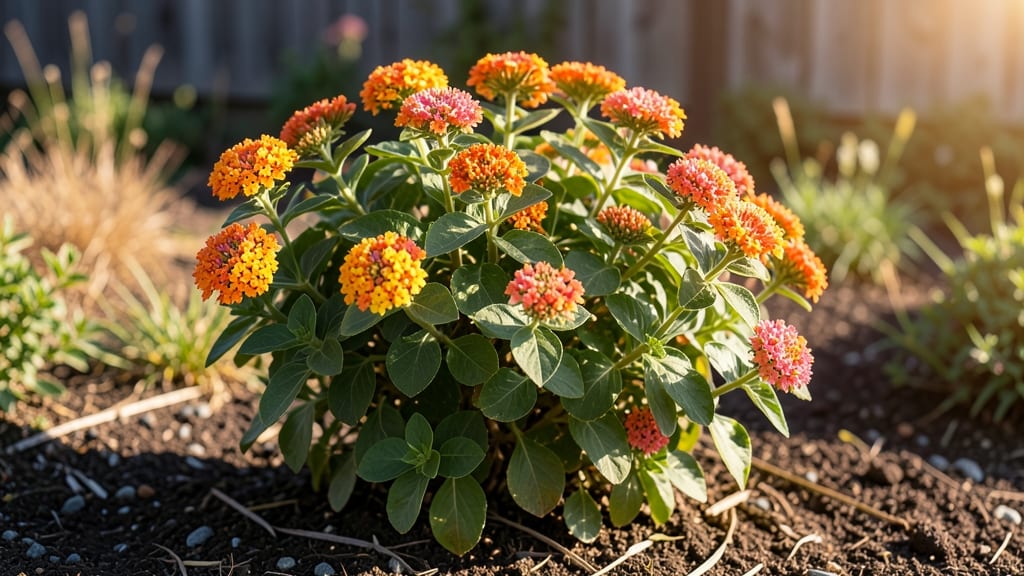
Lantana flowers attract butterflies with their vibrant blooms and sweet nectar, turning your garden into a buzzing pollinator paradise 🌸.
Watching butterflies flutter around your lantana isn’t just beautiful—it’s a sign your garden is thriving. But did you know a few simple planting tweaks can turn your lantana into a butterfly magnet overnight?
These hardy shrubs thrive in full sun and produce clusters of tiny flowers that butterflies can’t resist. Whether you’re in Zone 6a-11 or a warmer climate, lantana’s adaptability makes it the perfect pollinator powerhouse.
In this guide, I’ll share 5 proven tricks to maximize butterfly visits—from ideal placement to companion plants that create a butterfly-friendly ecosystem.
Why lantana flowers are a butterfly’s favorite (and how to maximize their appeal)
Lantana flowers aren’t just pretty—they’re a butterfly superfood. These vibrant blooms produce high-sugar nectar that fuels migrating butterflies, while their clustered flower heads provide perfect landing platforms.
Butterflies are drawn to lantana’s bright colors, especially yellow, orange, and pink varieties, which mimic their natural food sources in the wild.
The secret lies in lantana’s continuous blooming cycle. Unlike many flowers that bloom once and fade, lantana produces new flowers daily from spring through fall in warm climates.
This non-stop nectar production makes it a reliable food source for butterflies during their entire active season. Even drought-tolerant varieties maintain this cycle, proving nature’s efficiency.
Butterflies also love lantana because it’s low-maintenance and resilient. Unlike delicate flowers that wilt under stress, lantana thrives in hot, sunny conditions and poor soil, making it perfect for pollinator gardens.
Its compact growth habit (1-6 feet tall) fits seamlessly into borders, containers, or wildflower meadows without overwhelming other plants.
To maximize butterfly visits, plant lantana in full sun locations (6+ hours daily) where it can produce the most nectar. Butterflies prefer open, sunny areas for easy navigation, so avoid dense shade or crowded plantings.
I’ve found that placing lantana near water sources (like birdbaths or small ponds) creates a complete ecosystem—butterflies stop to drink and feed simultaneously.
Color choice matters too! Orange and yellow lantana varieties attract the most butterflies, as these hues resemble their natural food plants. For example, my ‘Bandana Cherry’ lantana (with pink and yellow blooms) draws monarchs and swallowtails within days of planting.
Even dwarf varieties (like ‘Lemon Swirl’) work well in containers on patios, proving size doesn’t limit their appeal.
Companion plants play a crucial role too. Pair lantana with native milkweed (for monarchs) or bee balm to create a pollinator buffet. I’ve seen gardens where lantana, salvia, and coneflowers form a butterfly highway, with visitors moving seamlessly between plants.
This layered planting strategy ensures food sources are always available as butterflies move through your garden.
Deadheading spent blooms encourages non-stop flowering, which keeps butterflies coming back. Simply pinch off faded flowers with your fingers—no tools needed! This simple task signals the plant to produce more nectar-rich blooms instead of seeds.
I deadhead my lantana every 2-3 weeks during peak season, and the difference in butterfly traffic is noticeable within a week.
Seasonal timing also boosts appeal. Plant lantana in early spring (after last frost) to give it time to establish roots before summer’s heat. In warmer zones, year-round planting works—lantana blooms continuously when given consistent care.
For cooler climates, treat it as an annual or tender perennial, replanting each spring for maximum impact.
Finally, avoid pesticides entirely. Even organic sprays can harm butterflies, so opt for neem oil only as a last resort and apply it at dusk when pollinators are inactive.
My pesticide-free lantana patches now host dozens of butterflies daily, proving that a little planning goes a long way in creating a thriving pollinator garden.
5 Proven planting tricks to turn your lantana into a butterfly hotspot
If you’ve ever watched a butterfly on lantana flowers, you know the magic they bring to your garden. These vibrant blooms aren’t just pretty—they’re a nectar powerhouse that lures butterflies like nothing else. But to create a true butterfly hotspot, you need more than just planting lantana.
The secret lies in the details: soil prep, watering, pruning, and timing. Let’s dive into the 5 proven tricks that’ll have butterflies flocking to your yard all season long.
First, location is everything. Lantana thrives in full sun (6+ hours daily), but butterflies need both shade and sun to rest. Plant your lantana near a partial shade spot, like under a tree canopy or near a patio umbrella.
This creates a butterfly-friendly microclimate where they can sip nectar and escape the midday heat. Pro tip: Place it near a water source, like a shallow birdbath or dripping faucet, to attract even more pollinators.
🌸 5 Proven Planting Tricks for Butterfly Magnet Lantana
- 🌱 Soil Prep: Amend with compost for well-draining soil (lantana hates soggy roots). Butterflies love healthy plants!
- 💧 Watering: Deep water 2x weekly in summer, but let soil dry between waterings to prevent fungal issues.
- ✂️ Pruning: Trim spent blooms weekly to encourage non-stop flowers—more blooms = more butterflies!
- ☀️ Sun Strategy: Plant in morning sun with afternoon shade to keep flowers vibrant and butterflies cool.
- 🌿 Companion Plants: Add milkweed or zinnia nearby to create a pollinator buffet and extend the season.
Next, focus on soil health. Lantana roots need well-draining soil to thrive, but butterflies also need a nutrient-rich environment. Mix in 2-3 inches of compost before planting to boost microbial life, which in turn supports the lantana’s flowering.
Avoid heavy fertilizers—they can overstimulate foliage at the expense of blooms. Instead, use a balanced 5-10-10 fertilizer sparingly (once in spring, once in summer) to keep flowers abundant.
Don’t forget the pruning power! Regular pruning isn’t just about shaping your lantana—it’s a butterfly booster. Deadhead spent blooms weekly to trigger continuous flowering. Butterflies are drawn to fresh, vibrant blooms, so the more you prune, the more they’ll visit.
Plus, pruning encourages bushier growth, giving butterflies more landing spots. Use clean, sharp shears and cut just above a leaf node to promote new growth.
Timing your planting is another game-changer. For year-round blooms, plant lantana in early spring (after last frost) in cooler zones or year-round in warm zones (USDA 9-11). In colder climates, start seeds indoors 6-8 weeks before last frost for a head start.
If you’re in a short-season area, opt for dwarf varieties like ‘Bandana Cherry Lantana’—they bloom faster and attract butterflies sooner.
Finally, create a butterfly ecosystem around your lantana. Plant native companion flowers like black-eyed Susan or butterfly weed nearby to provide additional nectar sources. Avoid pesticides entirely—even organic sprays can harm butterflies.
Instead, use neem oil or soapy water sprays for pests, and always apply them in the evening when butterflies are inactive.
With these 5 proven tricks, your lantana will transform into a butterfly hotspot that keeps pollinators visiting all season. The key is consistency: healthy soil, smart watering, regular pruning, and strategic planting. Soon, your garden will buzz with color—and not just from the flowers! 🌼