
Flowers
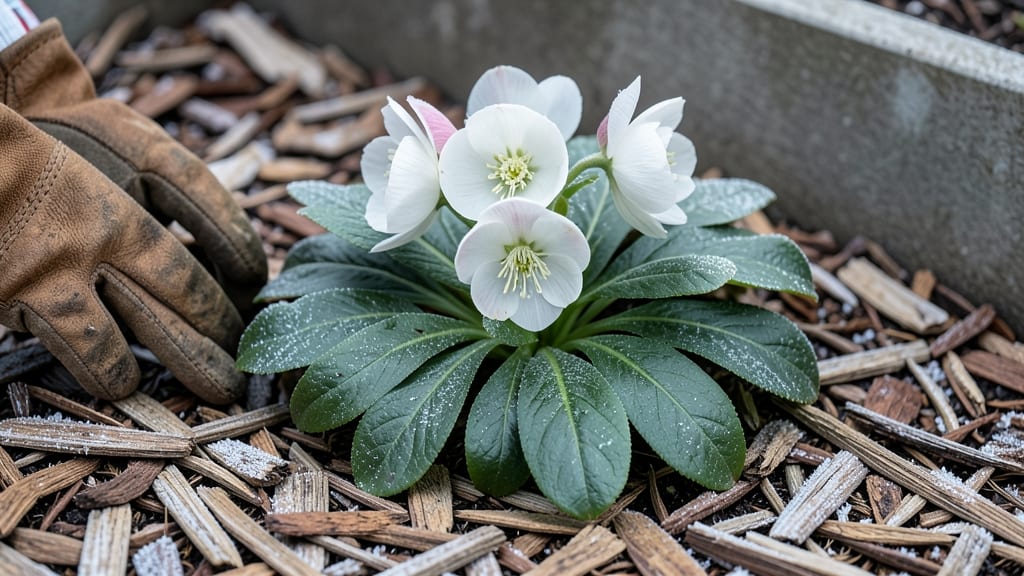
Winter-blooming flowers outside can transform your garden into a vibrant winter wonderland 🌱—even when most plants are dormant.
Picture this: frost-kissed petals in deep purples, whites, and yellows standing out against a snowy backdrop. That’s the magic of cold-hardy flowers like hellebores, winter jasmine, and pansies, which thrive when others fade away.
But not all winter flowers are created equal. Some need extra care—like proper mulching or shelter from harsh winds—to keep blooming through the season. The right choices depend on your climate zone, soil type, and even how much sunlight your yard gets.
In this guide, I’ll break down the top 10 frost-resistant flowers that bring color to winter, how to plant them for success, and the common mistakes that can kill your blooms before they even start. Let’s keep your garden alive all year!
Top 10 cold-hardy flowers that bloom in winter outside
Winter gardens can be just as vibrant as summer ones if you choose the right cold-hardy flowers. These resilient beauties thrive in chilly temperatures and defy frost to bring color when most plants sleep.
Whether you're in USDA Zone 4 or a milder Zone 8, these winter bloomers will keep your garden lively and inviting.
Many gardeners overlook winter blooms, assuming they're too high-maintenance. But these frost-resistant flowers require minimal care—just the right soil conditions and a little protection from harsh winds.
I’ve selected the top 10 cold-hardy flowers that perform exceptionally well in winter, with notes on their USDA hardiness zones, bloom times, and care essentials to ensure success.
Why choose winter-blooming flowers? They attract pollinators like bees and butterflies when food is scarce, add structure to your garden year-round, and create a stunning contrast against snow. Plus, their unique textures and colors—from deep purples to delicate whites—bring unexpected beauty to your outdoor space.
Below, you’ll find a curated list of frost-resistant flowers that thrive in winter, along with key details to help you select the best options for your climate and garden style.
Each plant is chosen for its durability in cold weather and ease of care, making them perfect for both novice and experienced gardeners.
| Flower Name | USDA Zones | Bloom Time | Color Palette | Care Tips |
|---|---|---|---|---|
| Hellebore (Lenten Rose) | 4-9 | Late Winter | White, Pink, Purple | Partial shade; mulch heavily |
| Winter Jasmine (Jasminum nudiflorum) | 5-9 | Winter to Early Spring | Yellow | Full sun; prune after blooming |
| Pansies (Viola × wittrockiana) | 3-11 | Fall to Spring | Multi-color | Sun to partial shade; deadhead |
| Snowdrops (Galanthus) | 3-9 | Late Winter | White, Green | Shade; naturalize in lawns |
| Camellias (Camellia spp.) | 7-10 | Winter to Spring | Pink, Red, White | Partial shade; acidic soil |
| Winter Aconite (Eranthis hyemalis) | 4-8 | Late Winter | Yellow | Sun to partial shade; mulch |
| Crocus (Crocus spp.) | 3-8 | Winter to Early Spring | Purple, White, Yellow | Full sun; naturalize in grass |
| Daphne (Daphne mezereum) | 5-8 | Late Winter | Pink, Purple | Partial shade; well-draining soil |
| Winter Honeysuckle (Lonicera fragrantissima) | 4-8 | Late Winter | White | Full sun; prune after blooming |
| Sweet Box (Sarcococca confusa) | 7-9 | Winter | White | Partial shade; moist soil |
From the delicate snowdrops that bloom under snow to the bold hellebores with their unique nodding flowers, these c
How to choose and plant winter-blooming flowers for your climate zone
Selecting winter-blooming flowers that thrive in your USDA hardiness zone is the first step to creating a vibrant winter garden. Cold-hardy varieties like Hellebores and Winter Jasmine can withstand freezing temperatures, while others like Pansies and Camellias prefer milder climates.
Start by checking your zone—most winter flowers perform best in Zones 5-9, with some exceptions for frost-tolerant species.
Once you’ve identified your zone, focus on soil preparation to ensure your winter bloomers get the best start. Amend your soil with compost or organic matter to improve drainage and fertility, especially if your native soil is heavy clay or sandy.
A slightly acidic to neutral pH (6.0-7.0) works well for most winter flowers, though Azaleas and Camellias thrive in acidic soil (pH 5.0-6.0).
Step-by-Step Guide to Planting Winter-Blooming Flowers
- Step 1: Choose the right flowers for your USDA zone. For Zones 5-7, try Hellebores or Winter Aconite. In Zones 8-9, opt for Camellias or Winter Jasmine.
- Step 2: Prepare the soil by loosening it to a depth of 12 inches and mixing in 2-3 inches of compost.
- Step 3: Dig holes twice as wide as the root ball and place plants at the same depth they were in their containers.
- Step 4: Water thoroughly after planting to settle the soil and remove air pockets around the roots.
- Step 5: Apply 2-3 inches of mulch (like straw or shredded bark) to protect roots from freezing temperatures and retain moisture.
- Step 6: Monitor watering—winter flowers need less water but should never dry out completely. Water deeply once a week unless rain provides adequate moisture.
After planting, mulching is key to protecting your winter flowers from temperature fluctuations and soil erosion. Use organic mulch like pine straw or wood chips, applying a 2-3 inch layer around the base of plants, but keep it 2 inches away from stems to prevent rot.
This layer also helps suppress weeds, which can compete for nutrients during the dormant season.
Watering strategies shift in winter—overwatering is a common mistake that can lead to root rot in cold soil. Instead, water deeply but infrequently, aiming for 1 inch of water per week from rainfall or irrigation.
Early morning is the best time to water, as it allows foliage to dry before evening frost sets in. For container-grown winter flowers, check soil moisture daily and water when the top 1 inch feels dry.
Finally, seasonal maintenance keeps your winter bloomers healthy. Prune dead or damaged foliage in early spring to encourage new growth, and fertilize lightly in late winter or early spring with a balanced, slow-release fertilizer.
Avoid heavy feeding in fall, as it can stimulate tender new growth that won’t survive freezing temperatures.
With the right climate-appropriate flowers, proper soil prep, and smart watering and mulching, your winter garden can burst with color even when most plants are dormant. Start small with 2-3 varieties to test what thrives in your microclimate, then expand next season! 🌷