
How To
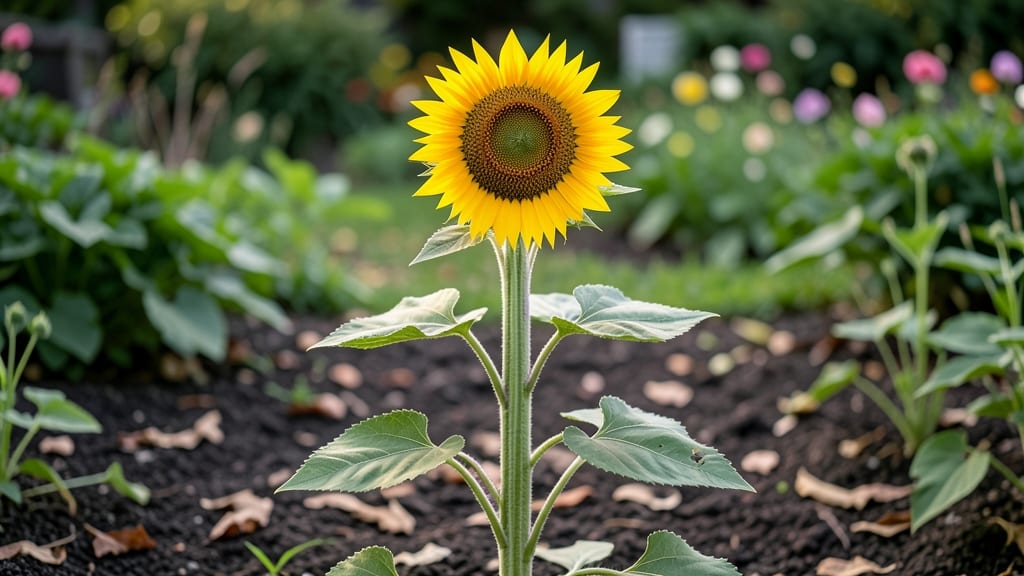
A sunflower needs 6 to 8 hours of direct sunlight daily to grow tall and vibrant 🌻 — that’s the golden rule for these towering beauties.
Picture this: you’ve just planted your seeds in spring, dreaming of a sunflower that’ll reach for the sky. But if it’s not getting enough light, you’ll end up with a sad, leggy stem instead of the showstopper you imagined.
The good news? With the right placement and a few simple adjustments, you can give your sunflowers the sunlight they crave.
Sunflowers thrive in full sun, but what happens when your garden only gets partial shade? We’ll cover how to spot signs of insufficient light, like small blooms or yellowing leaves, and how to fix it before it’s too late.
Whether you’re in a sunny backyard or a container on a balcony, you’ll learn the best ways to maximize sunlight for your plants.
From positioning tips to seasonal sunlight changes, this guide will help you grow sunflowers that stand tall and proud. Let’s make sure your sunflowers get the light they deserve!

Sunflower sunlight requirements: the ideal 6-8 hours daily explained
Sunflowers thrive in full sun, but their sunlight needs change dramatically as they grow. While seedlings tolerate partial shade, mature plants demand 6-8 hours of direct sunlight daily to achieve their iconic towering stature and vibrant blooms.
This isn't just a preference—it's a biological necessity tied to their photosynthesis efficiency.
The scientific reality is that sunflowers are C3 plants, meaning they use the Calvin cycle for photosynthesis, which operates most efficiently under high light conditions. When deprived of adequate sunlight, their growth slows, stems weaken, and flower production suffers.
Think of it like a solar panel: the more direct sunlight it receives, the more energy it can generate.
Here's the critical breakdown of how sunlight needs shift through each growth stage, from delicate seedlings to towering giants ready to bloom:
Measuring sunlight exposure accurately is simpler than you think. Use a sunlight tracker or observe your garden between 10 AM and 4 PM—this is when sunlight is strongest. Cast a shadow with a stick: if it's shorter than the stick's height, you're likely in full sun.
For partial shade (3-6 hours of sun), shadows will be longer than the object casting them.
Partial shade can stunt growth by reducing the plant's ability to produce chlorophyll, the pigment essential for photosynthesis. In shaded conditions, sunflowers may develop long, weak stems (a condition called etiolation) and smaller, paler flowers.
This happens because the plant stretches toward any available light, diverting energy from flower production to stem elongation.
Interestingly, sunflowers exhibit heliotropism, a fascinating behavior where young buds follow the sun's path from east to west. This maximizes their exposure to sunlight throughout the day.
As they mature, the flower heads often turn to face east again, possibly to capture cooler morning light. This natural adaptation underscores their deep connection to sunlight.
If you're growing sunflowers in containers or urban settings, prioritize south-facing positions. Even a 10% reduction in sunlight can delay flowering by up to 2 weeks.
For container growers, consider using reflective surfaces like white walls or mirrors to bounce extra light onto your plants—this can add 1-2 additional hours of effective sunlight.
Seasonal adjustments matter too. In summer, sunflowers can handle up to 12 hours of light with ease, but in spring or fall, supplement with grow lights if natural sunlight drops below 6 hours daily.
LED grow lights with a 6400K color temperature mimic full-spectrum sunlight and are ideal for extending the light day.
Remember, sunflowers aren't just loving sunlight—they're thriving in it. When given the right conditions, they'll reward you with towering stems, vibrant blooms, and abundant seeds.
The key is consistency: aim for that 6-8 hour daily minimum, and your sunflowers will reach their full potential—literally and figuratively.
How to provide perfect sunlight for sunflowers: location and care tips
Sunflowers thrive when planted in the sunniest spots of your garden, but not all locations get equal sunlight. To ensure your sunflowers reach their full height and produce vibrant blooms, you’ll need to strategically place them—whether in a backyard, container, or urban balcony.
The key is maximizing direct sunlight while avoiding common pitfalls like shade from trees or overcrowding from nearby plants.
If your space lacks natural sunlight, don’t worry—there are ways to supplement light and create ideal conditions. For example, reflective surfaces like white walls or mirrors can bounce extra sunlight onto your plants, while south-facing windows or grow lights can help in containers.
Even in partial shade, choosing the right variety (like dwarf sunflowers) can make a difference.
- 🌞 6-8 hours of direct sunlight is the gold standard for sunflowers, especially during their flowering stage.
- 📏 Measure sunlight with a sunlight tracker or observe shadows—sunflowers need unobstructed light for 6+ hours daily.
- 🌱 Seedlings can handle 4-6 hours of sunlight, but transition them to full sun as they grow.
- 🪴 Containers need rotating positions to ensure even sunlight exposure on all sides.
- 🌳 Avoid shade from trees, fences, or buildings—even partial shade can reduce bloom size.
When planting in gardens, prioritize south-facing beds or areas with minimal obstructions. If your yard has morning sun but afternoon shade, consider planting sunflowers near the eastern edge of your garden.
For containers, place them on patios, decks, or balconies where they can soak up sunlight without competition from other plants.
Soil type also plays a role in sunlight absorption. Well-draining soil with a loamy texture helps roots access nutrients efficiently, especially when paired with full sun. Amend heavy clay soil with compost or sand to improve aeration and prevent waterlogging, which can stress sunflowers even in ideal light conditions.
Common mistakes that reduce sunlight absorption include planting sunflowers too close to tall structures (like fences or sheds) or letting nearby plants overshadow them. Always space sunflowers 12-24 inches apart to avoid competition for light and air circulation.
In urban areas, reflective surfaces like white walls or light-colored mulch can help redirect sunlight toward your plants.
For urban gardeners with limited space, dwarf varieties like ‘Teddy Bear’ or ‘Moulin Rouge’ are perfect for containers and balconies. Pair them with a small grow light (12+ hours daily) if natural sunlight falls short.
Regularly rotate containers to ensure even growth and prevent leggy stems from stretching toward the light.