
Vegetables
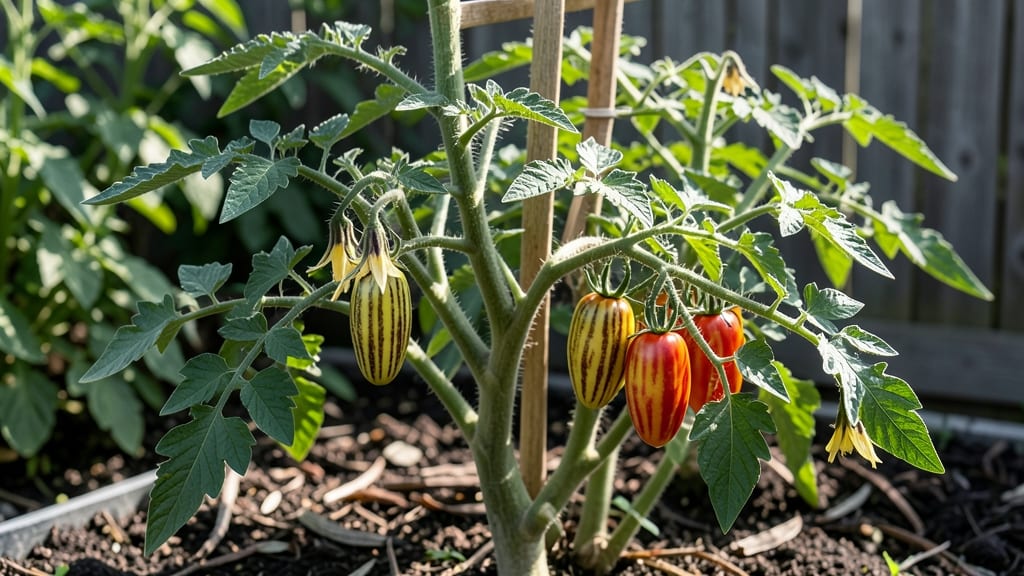
Growing German Stripe tomatoes means bold flavor and striped fruit that turns heads every summer. 🌱 These heirloom beauties thrive in containers, making them perfect for small spaces or urban gardens where soil quality might be questionable.
I learned the hard way that their unique flavor—sweet with a tangy kick—is worth the extra care, especially when growing from seed. The secret to their success lies in rich, well-draining soil and a sunny spot with at least 6-8 hours of sunlight daily.
Unlike many tomatoes, German Stripes adapt well to container life, so long as the pot is at least 10-12 gallons and has drainage holes. Water consistently but avoid soggy soil, as these plants hate wet feet—especially in humid climates where diseases lurk.
Once established, you’ll see vibrant yellow-green striped fruits ripening in late summer, packed with flavor that rivals any heirloom. Prune regularly to encourage airflow and focus energy on fruit production, and watch for common pests like hornworms or aphids—neem oil works wonders if they show up.
Perfect for balconies, patios, or even windowsills with grow lights. The key is patience: these tomatoes take longer to mature than store-bought varieties, but the payoff is worth every extra week.
📚 In This Guide
- What you need
- Instructions
- Tips and common mistakes
- Wrapping up and next steps
What you need
- ● German Stripe tomato seeds or seedlings: 1–3 plants (start with 1–2 for beginners). Opt for heirloom or organic seeds for the best flavor.
- ● Container: A 5-gallon pot or larger (minimum 12" deep) with drainage holes. Fabric grow bags or self-watering containers work too!
- ● High-quality potting mix: A sterilized, well-draining blend (avoid garden soil). Mix in perlite or vermiculite (20% by volume) for aeration.
- ● Fertilizer: Balanced organic fertilizer (e.g., 5-5-5 or 3-4-6 NPK ratio) for planting.
- ● Tomato-specific fertilizer (high in phosphorus/potassium, like 7-9-5) for flowering/fruiting.
- ● Support system: A cage, trellis, or sturdy stakes (4–6 ft tall) to handle the vine’s weight.
- ● Mulch: Straw or shredded leaves (1–2 inches thick) to retain moisture and suppress weeds.
- ● Slow-release fertilizer pellets (mixed into soil) for hassle-free nutrition.
- ● Drip irrigation or soaker hose to keep roots consistently moist.
- ● Pruning shears for shaping the plant and removing suckers.
- ● Copper tape or row covers to deter pests like hornworms.
- ● pH testing kit (ideal soil pH: 6.0–6.8).
- ● Compost or worm castings for a nutrient boost.
Step-by-step instructions for growing German Stripe tomatoes in containers
Here's how to grow these bold, heirloom beauties—perennial-style—using containers for easy control.
🌱 Step 1: Select the Right Container and Soil Mix
German stripe tomatoes need a 5-gallon minimum container per plant—larger is better for their sprawling roots. I use fabric grow bags because they breathe and prevent root-bound stress. Drill 4-6 drainage holes in the bottom if your container lacks them.
Fill the container with a custom mix: blend 50% premium potting soil, 30% coconut coir, and 20% perlite. This keeps roots aerated while holding moisture. Add 1 cup compost and 1 tablespoon balanced fertilizer (10-10-10) to the bottom layer. The mix should feel like a damp sponge—not soggy, not dry.
☀️ Step 2: Plant and Provide Warmth for Germination
Sow 2-3 seeds per container at ¼-inch depth—these tomatoes germinate best in 75-85°F soil. I place containers on a seedling heat mat to speed germination, which typically takes 10-14 days. Keep the soil surface consistently moist (not wet) by misting lightly daily.
Once sprouts emerge, thin to one strongest seedling per container. Watch for first true leaves (not the initial cotyledons)—they’ll appear 7-10 days after germination. This is when you can gently transplant any extras to spare containers.
💧 Step 3: Water and Fertilize for Strong Growth
Water deeply every 2-3 days, letting 1 inch of soil dry between sessions. I water at the base (not overhead) to prevent fungal diseases. German stripes thrive with morning sun exposure—place containers where they get 6-8 hours of direct light daily. If indoors, supplement with a grow light 4-6 inches above the plant.
Feed every 4 weeks with liquid tomato fertilizer (diluted to half-strength). I also top-dress with ½ cup compost mid-season to boost flavor. You’ll know it’s working when leaves stay deep green and new growth appears vigorous and upright.
✂️ Step 4: Prune and Support for Maximum Yield
German stripe tomatoes benefit from light pruning—remove suckers (the small shoots between stems and branches) when they’re 1 inch long. This directs energy to fruit production. Use soft ties to secure the plant to a 6-foot stake or trellis as it grows—these vines can get heavy with fruit.
When flowers appear, hand-pollinate by gently shaking the plant daily. In containers, airflow is key—prune lower leaves to improve circulation. Harvest when tomatoes turn deep red (about 70-80 days after transplant). Ripen indoors if needed—leave stems attached to preserve flavor.
⏰ Step 5: Overwinter and Revive Next Season
After frost, cut back stems to 6 inches and store containers in a cool (40-50°F), dark place. I cover the soil with 2 inches of straw mulch to protect roots. In early spring, remove mulch, repot with fresh soil, and resume care. German stripes are perennial in zones 9-11—with proper overwintering, they’ll fruit for years.
Real talk: If your climate dips below 25°F, treat them as annuals. But in mild zones, you’ll get bigger, sweeter tomatoes each season—no seeds to buy!
Tips & tricks for growing German Stripe tomatoes in containers
Here's what I learned the hard way after struggling with container-grown tomatoes—these tricks make all the difference for bold, flavorful harvests.
Container Size Matters: That 5-gallon minimum isn't just a suggestion—it's non-negotiable for these sprawling plants. I've seen German stripes struggle in 3-gallon pots, producing puny fruit. If you have the space, go up to 7 gallons for even better root development. Fabric grow bags are my secret weapon because they prevent root circling and allow for better oxygen flow to those deep roots.
Soil Temperature is Critical: Don't rush germination by using warm water—focus on soil temperature. Use a seedling heat mat to maintain that 75-85°F range consistently. I've found that placing containers on a sunny windowsill with the heat mat underneath gives the perfect balance. If your soil feels cool to the touch, germination will drag out, and you might get uneven sprouts.
Watering Wisdom: The "1 inch dry between waterings" rule works, but timing matters just as much. Water in the morning so leaves have all day to dry—this prevents fungal diseases like blight that love damp foliage. I use a moisture meter to check soil moisture at the 1-inch depth level, which gives me a more precise reading than just sticking my finger in. Overhead watering? That's a fast track to trouble with these container plants.
Overwintering Strategy: When you cut back those stems to 6 inches, don't just toss them in a dark corner. Store containers in a cool (40-50°F) place with good air circulation—this mimics their natural dormancy period. I've had success using a basement with a small fan running nearby. The straw mulch isn't just decoration—it actually helps maintain consistent moisture levels during dormancy, which prevents root shock when you bring them back to life in spring.
Pro Tips for German Stripe Tomato
- Here's what I learned the hard way after struggling with container-grown tomatoes—these tricks make all the differenc...
- Container Size Matters: That 5-gallon minimum isn't just a suggestion—it's non-negotiable for these sprawling plants....
- Soil Temperature is Critical: Don't rush germination by using warm water—focus on soil temperature. Use a seedling he...
Frequently asked questions
Got questions about growing and enjoying German Stripe tomatoes? Here are answers to the most common ones—whether you're a first-time gardener or a seasoned pro looking for tips!
How long does it take for German Stripe tomatoes to produce fruit?
German Stripe tomatoes are perennials in warm climates (USDA Zones 8-11) and will fruit within 2-3 years after planting. In colder zones, treat them as annuals—they’ll bear fruit 60-90 days after transplanting (similar to other heirloom tomatoes). Patience pays off with their bold, striped beauty!
Can I grow German Stripe tomatoes in containers?
These vining plants thrive in 5-gallon+ containers with well-draining soil and support (like trellises or cages). Ensure the pot has drainage holes and place it in full sun (6+ hours daily). Container-grown German Stripes may need extra watering during heatwaves—keep soil moist but not soggy.
Why aren’t my German Stripe tomatoes ripening?
Blame temperature swings, lack of sunlight, or overcrowding. German Stripes need consistent warmth (70°F+) to ripen. Try:
- Moving pots to sunnier spots.
- Pruning excess foliage for airflow.
- Using a black plastic mulch to warm soil.
What’s the best companion plant for German Stripe tomatoes?
Pair them with basil, marigolds, or onions to deter pests and boost flavor! Avoid planting near potatoes, fennel, or brassicas (like cabbage), as they compete for nutrients. For containers, try bush beans or lettuce—their shallow roots won’t crowd the vines.
Are German Stripe tomatoes disease-resistant?
Not inherently, but their vigorous growth and thick skin make them more resilient than some heirlooms. To prevent issues:
- Rotate crops yearly to avoid soil-borne diseases.
- Water at the base (not leaves) to reduce fungal risks.
- Use neem oil if you spot early signs of blight.
Wrapping up and next steps
The German Stripe tomato isn’t just a plant—it’s a flavor revolution waiting to happen in your container garden! 🌱 With its bold taste, striking appearance, and easy-care nature, it’s perfect for both beginners and seasoned gardeners.
Whether you’re growing it for show, salads, or sauces, this perennial gem proves that big rewards come in small (or container-friendly!) packages.
Ready to dive in? Start by grabbing your supplies, picking the right pot, and giving these striped beauties the love they deserve. Your next harvest is just a seed away—plant today and taste the difference tomorrow! 🍅✨