
Vegetables
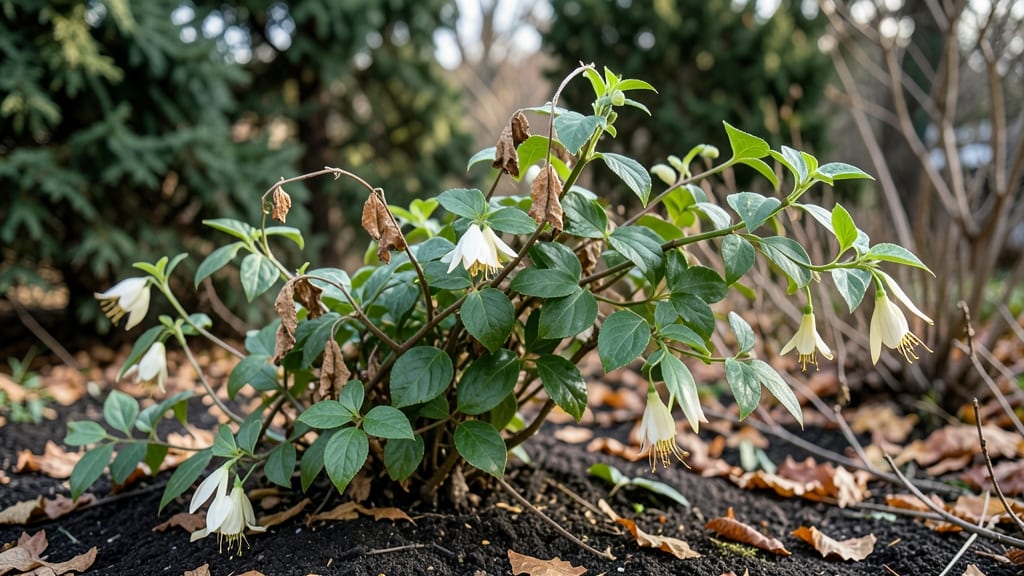
Clematis armandii thrives through winter's bite with its evergreen leaves and stunning blooms. 🌿 I've watched mine push through snow in zone 5, proving this isn't just frost-resistant—it's a winter showstopper that rewards patience with spring's best blooms.
The secret lies in timing: prune after the worst cold passes but before new growth starts. Most people rush this, but waiting until late February or early March lets the plant conserve energy.
A thick layer of mulch around the base acts like a blanket, while wrapping young stems in burlap protects tender new growth from windburn. By spring, you'll see fresh green leaves unfurling and buds forming along last year's wood.
The plant's natural resilience means less fuss than other clematis varieties, and the fragrance of those early blooms makes every winter pruning session worth it. Works perfectly in zones 4-9, though colder regions benefit from extra mulch. The key is balance—protect without smothering, prune without overcutting.
Here's how to get it right!
📚 In This Guide
- What you need
- Instructions
- Tips and common mistakes
- Wrapping up and next steps
What you need
- ● Pruning shears – Sharp, clean, and sterilized (to avoid disease). 1 pair (or a small pruning saw for thicker stems).
- ● Heavy-duty gloves – Thick, cut-resistant gloves (for protection while pruning). 1 pair.
- ● Mulch – Organic mulch like straw, shredded leaves, or wood chips. 3–4 inches per plant.
- ● Garden twine or plant ties – For staking if your clematis is tall or leggy. 1–2 rolls.
- ● Burlap or frost cloth – Breathable fabric to wrap around plants in extreme cold. 1–2 rolls (or enough to cover the plant fully).
- ● Watering can or hose – For deep watering before winter. 1 unit.
- ● Anti-desiccant spray – Protects leaves from drying out in cold, dry air. 1 bottle.
- ● Plant collars or protective cages – For extra insulation around the base. 1–2 units.
- ○ Thermometer – To monitor temperatures in your microclimate. 1 unit (optional but handy!).
- ● Compost or slow-release fertilizer – To replenish nutrients post-winter. 1 bag.
Step-by-Step guide to preparing clematis armandii for winter
This hardy climber thrives through frost—here’s how to protect it and set the stage for next year’s showy blooms.
🪴 Step 1: Assess the Plant’s Structure and Support
Start by examining your clematis’s woody stems and support system. Clematis Armandii’s thick, vine-like growth can become brittle in freezing temps, so prune out any dead, crossing, or weak stems now. Use sharp pruners to make clean cuts just above a healthy bud or outward-facing growth point. This ensures the plant directs energy into strong, new growth come spring.
Check your trellis, arbor, or fence for stability. If the support is wobbly, reinforce it with stakes or ties before winter winds test its strength. I always add a few extra ties—better to be safe than sorry when heavy snow or ice comes calling.
✂️ Step 2: Prune for Winter Dormancy
Unlike spring-blooming clematis varieties, Armandii blooms on new wood, so you can prune it aggressively in late winter or early spring. But for winter prep, focus on light shaping—cut back any stems that grew excessively or look diseased. Remove only about 1/3 of the plant’s volume now to avoid stressing it before dormancy.
Look for stems that are thin, brown, or hollow—these won’t survive winter and should be cut at the base. Leave the thick, healthy stems intact; they’ll provide the framework for next year’s blooms. If your plant is young, you can skip pruning entirely this season and focus on mulching instead.
🌿 Step 3: Mulch and Protect the Root Zone
Clematis roots are shallow and sensitive to temperature swings, so protecting them is key. Apply a 4-6 inch layer of organic mulch (like shredded bark or straw) around the base of the plant, keeping it 6 inches away from the stem to prevent rot. This insulates the roots and retains moisture during winter’s dry spells.
For extra protection in harsh climates, mound soil or mulch up around the base of the plant to create a 6-inch-high berm. This acts like a snow blanket, shielding roots from extreme cold. Water the plant deeply before mulching to ensure the soil stays moist through winter.
☀️ Step 4: Shield New Growth from Late Freezes
Even frost-hardy Armandii can suffer damage from late-season freezes if new growth emerges too early. Cover the plant with a breathable frost blanket or burlap on nights when temperatures drop below 20°F. Secure the cover loosely—you don’t want to smother the plant, just protect it from sudden cold snaps.
If your clematis is young or still establishing roots, consider wrapping the entire plant in burlap or frost cloth and securing it with twine. This extra layer of defense helps prevent desiccation from winter winds while keeping the plant cozy. Remove the cover during the day if temperatures rise above freezing to avoid overheating.
⏰ Step 5: Monitor and Adjust Through Winter
Check on your clematis periodically during winter, especially after heavy snowfall or ice storms. Shake off excess snow to prevent stem breakage—too much weight can snap brittle wood. If you notice any stems cracking or splitting, prune them back to a healthy bud in late winter to encourage new growth.
In early spring, before new leaves emerge, do a final inspection. Remove any dead or damaged stems and add a fresh layer of mulch if winter was particularly harsh. This is also the time to plan your spring pruning—Armandii will reward you with lush, repeat blooms if you give it the right care now.
Tips & tricks for perfect clematis armandii winter prep
Between us, winterizing your clematis isn't just about survival—it's about setting up next year's spectacular blooms. Here's what I've learned from years of watching these hardy beauties thrive through frost.
Pruning Precision: When you're removing that third of the plant's volume in Step 2, focus on the stems growing inward or crossing others. These compete for sunlight and nutrients, weakening the plant. I've found that cutting just above a healthy outward-facing bud gives the best results—you'll notice how the plant naturally grows away from the center, creating a more open, airy structure that blooms better in spring.
Mulch Magic: That 4-6 inch layer of organic mulch in Step 3 isn't just about insulation—it's about creating the right microclimate. I've seen dramatic differences when I use straw instead of wood chips: straw breathes better, preventing rot while still insulating roots. And remember, keep it 6 inches from the stem to prevent moisture buildup that can cause rot. The extra step of creating that 6-inch berm in harsh climates has saved my plants during some brutal winters.
Freeze Protection Strategy: The 20°F threshold in Step 4 is your guide, but I've learned to watch the forecast too. If they're predicting a hard freeze (below 15°F), I'll cover my plants a day early. And here's a pro move: use a frost blanket instead of plastic—it breathes while still protecting. I've seen plastic actually trap cold air and do more harm than good. Also, always remove covers during the day when temps rise above freezing to prevent overheating.
Winter Monitoring: When you're checking your clematis after snowfall in Step 5, pay special attention to where the snow collects. Heavy accumulations can create ice pockets that damage stems. I've started using a broom to gently shake off snow rather than brushing it—this prevents stem breakage from the abrasive action of brushing. And if you notice any stems cracking, don't wait until spring to prune them back. A clean cut now prevents further damage and encourages new growth.
Pro Tips for Clematis Armandii Winter
- Between us, winterizing your clematis isn't just about survival—it's about setting up next year's spectacular blooms....
- Pruning Precision: When you're removing that third of the plant's volume in Step 2, focus on the stems growing inward...
- Mulch Magic: That 4-6 inch layer of organic mulch in Step 3 isn't just about insulation—it's about creating the right...
Frequently asked questions
about Clematis armandii winter care—because even frost-resistant stars need a little TLC! Here are the answers to your top questions:Can Clematis armandii survive harsh winters without extra protection?
Clematis armandii is one of the hardiest clematis varieties, often surviving down to -20°F (-29°C) with minimal care. However, in extreme cold or windy areas, a thick layer of mulch (4-6 inches) around the base and light winter protection (like burlap or frost cloth) can prevent dieback. Avoid heavy snow loads by gently brushing off accumulation.
When is the best time to prune Clematis armandii after winter?
Prune immediately after spring growth begins (late February to early April, depending on your climate). This variety blooms on old and new wood, so avoid heavy cuts—just remove dead or damaged stems and shape lightly. Never prune in fall, as it encourages tender growth that won’t survive winter.
What if my Clematis armandii looks dead after winter?
Don’t panic! These plants often re-sprout from the roots even if stems appear brown. Wait until mid-spring before declaring it dead. If no growth appears by late April, check for rot (soft, mushy stems) or pests (like borers). Dig up a small section of root to test for viability.
Are there winter-hardy alternatives to Clematis armandii?
Yes! If you love Clematis armandii’s winter resilience but want variety, try:
- Clematis montana (Zone 5, fragrant spring blooms)
- Clematis tangutica (Zone 4, golden summer flowers)
- Clematis viticella (Zone 4, late-season blooms)
How do I protect Clematis armandii in a container during winter?
Container-grown clematis need extra insulation. Move pots to a north-facing wall or garage (above freezing) and wrap the container in bubble wrap or frost cloth. Add extra mulch (straw or leaves) around the base. In extreme cold (<10°F/-12°C), use insulated pot sleeves or sink pots in the ground for stability.
Wrapping up and next steps
Clematis armandii proves that winter doesn’t have to mean the end of your garden’s beauty—this hardy climber thrives in cold climates and rewards you with stunning blooms year after year. With the right care, pruning, and protection, you can enjoy its vibrant flowers and ensure its longevity through frost. 🌱❄️
Ready to transform your garden into a winter wonderland? Start by selecting the perfect spot, gathering your supplies, and following the steps above. Before you know it, your Clematis armandii will be flourishing, turning chilly days into a splash of color! 🌸