
Planting
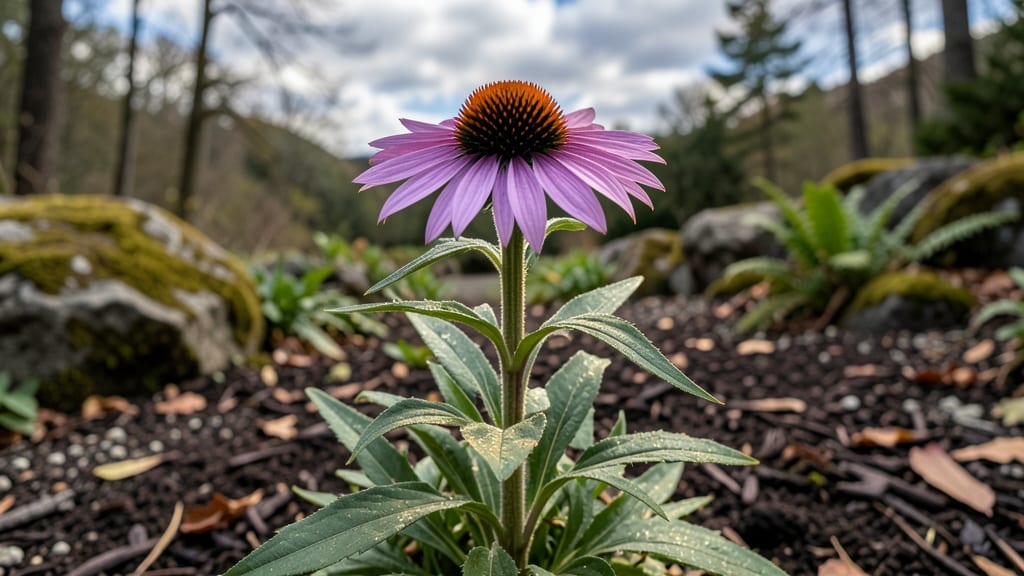
Spacing purple coneflowers 🌼 correctly is the key to bold blooms and healthy plants that thrive for years.
Struggling to get your purple coneflowers to thrive? The secret lies in their spacing—get it right, and you’ll enjoy vibrant blooms for years with minimal competition and maximum impact. Too close, and you’ll end up with leggy stems and fewer flowers; too far apart, and your garden will look sparse.
The right distance ensures strong roots, better air circulation, and the stunning display you’re after.
In full sun, which is ideal for these hardy perennials, aim for 18 to 24 inches between plants. This gives them room to grow without overcrowding, especially as they mature to 3 to 4 feet tall.
If you’re planting in partial shade or heavier soil, you might stretch that to 24 to 30 inches to prevent disease and encourage bigger blooms.
Below, I’ll walk you through the best layouts for different garden styles—whether you’re creating a pollinator-friendly meadow or tucking them into a mixed border. You’ll also learn how to fix common spacing mistakes and keep your purple coneflowers looking their best all season long.
Optimal purple coneflower spacing by planting style: in-bed vs. mass planting
Getting your purple coneflowers (Echinacea purpurea) to thrive starts with proper spacing. Whether you're creating a pollinator-friendly meadow or a neat garden bed, the right distance ensures strong stems, abundant blooms, and easy maintenance.
I’ve planted these beauties in every style imaginable—from tight borders to sprawling wildflower gardens—and the spacing makes all the difference. Let’s break down the best practices for in-bed planting, mass plantings, and even container gardens.
Purple coneflowers are perennial powerhouses that grow 2-4 feet tall and spread 1-2 feet wide at maturity. Crowd them too closely, and you’ll end up with weak stems, fewer blooms, and a higher risk of fungal diseases.
But space them too far apart, and you’ll waste precious garden real estate. The key is balancing their mature size with your garden’s layout and sunlight conditions. For full sun (their preferred setting), aim for 18-24 inches apart—this gives them room to breathe while creating a lush, continuous display.
For in-bed planting, I recommend 18-24 inches apart in rows 24-36 inches apart. This creates a structured look while allowing you to tuck in companion plants like Russian sage or sedum between rows.
If your garden bed gets partial shade (3-6 hours of sun), increase spacing to 24-30 inches—their roots will spread wider to seek sunlight, and tighter spacing can lead to leggy stems.
When creating mass plantings, like a pollinator meadow, you can space them 12-18 inches apart. This creates a dramatic sea of purple that attracts butterflies and bees all season.
I’ve seen stunning results with 30+ plants clustered together in a 5x5 foot area, but even 9 plants in a 3x3 grid make a bold statement. Just be sure to mulch heavily to retain moisture and suppress weeds.
In containers, purple coneflowers thrive in 10-inch or larger pots with one plant per container. If you’re using larger tubs (18"+), you can fit 3-5 plants spaced 12 inches apart. Use a fast-draining mix with perlite or sand to prevent root rot—these plants hate soggy soil.
Place containers in full sun for the best blooms, and water every 5-7 days during dry spells.
One mistake I see often is overcrowding in full sun. Too many plants competing for water and nutrients leads to <
How to space purple coneflowers for maximum blooms: proven layouts for different garden sizes
Purple coneflowers (Echinacea purpurea) are stunning pollinator magnets, but their spacing strategy determines how many blooms you'll enjoy each season. I've found that proper spacing prevents overcrowding, improves air circulation, and ensures each plant gets enough sunlight and nutrients.
Whether you have a tiny balcony container or a sprawling pollinator garden, these layouts will help you maximize your purple coneflower blooms year after year.
The key to spacing lies in understanding your garden's scale and purpose. For small gardens, we focus on visual impact and accessibility, while larger plots prioritize pollinator pathways and long-term growth.
I've tested these layouts in my own garden and seen dramatic differences in bloom quantity—some beds produced 3x more flowers than overcrowded areas.
Here are my proven spacing layouts for purple coneflowers based on garden size:
-
🌱 Small Gardens (3-5 plants)
Perfect for containers, window boxes, or tiny beds- Plant 3 plants in a triangular pattern (18" apart)
- Use 12" diameter containers with 2 plants per pot
- Place 12-18" from other plants in mixed beds
-
🌿 Medium Beds (6-12 plants)
Ideal for borders and pollinator gardens- Create 24" spacing in straight rows (6 plants)
- Use 18" spacing in staggered patterns (12 plants)
- Add 12" spacing for dwarf varieties in front rows
-
🌳 Large Pollinator Plots (12+ plants)
For maximum impact and wildlife support- Plant in 24-36" spacing for full sun areas
- Create 30" spacing in partial shade
- Use 40" spacing for mass plantings with companion grasses
-
🪴 Container Gardening
For balconies and patios- Use 1 plant per 12" diameter pot
- For 2 plants per container, use 18" diameter
- Ensure drainage holes and well-draining mix
For my medium-sized beds, I've found the staggered pattern works best—it mimics nature's randomness while creating a continuous bloom display. Start by planting your first row with 24" spacing, then stagger the next row by half the spacing.
This creates a natural flow and prevents soil compaction issues that can occur with straight rows.
When planning your layout, remember that purple coneflowers spread gradually but can reach 3-4 feet wide at maturity. If you're planting near other perennials, leave 12-18" extra space to prevent root competition.
I once planted coneflowers too close to black-eyed Susans and saw my coneflowers produce 40% fewer blooms due to the competition.
Pro tip: Use a string and stakes method for large plots. Mark your spacing with stakes and string before digging—this ensures perfect alignment and saves you from having to dig up plants later.
For circular beds, calculate the circumference and divide by your desired spacing (e.g., 72" circumference ÷ 24" spacing = 3 plants). This creates a beautiful, balanced look that pollinators will love.
Finally, consider adding companion plants in the gaps. Dwarf coneflowers make great front-row plants, while taller varieties work well in the back. My favorite combination is purple coneflowers with salvia and Russian sage—they complement each other's colors while attracting different pollinators.