
Flowers
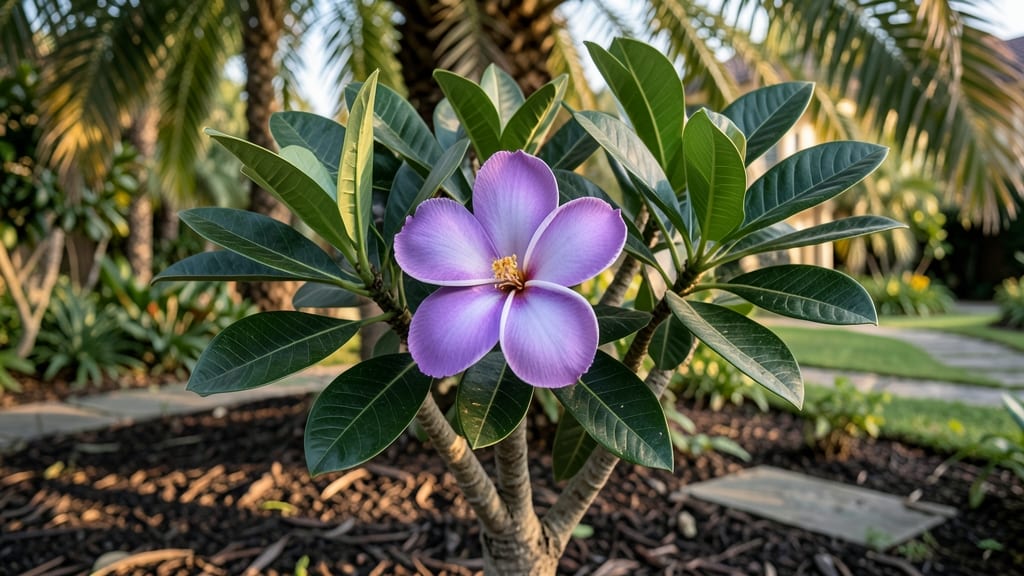
Growing a purple plumeria flower 🌺 is like unlocking a tropical treasure—these velvety blooms are rarer and more striking than their white or pink cousins, but they demand the right care to thrive.
Picture this: cascading clusters of deep violet petals, each one fragrant enough to fill your garden with a sweet, intoxicating scent. Yet, many gardeners struggle to coax these vibrant blooms into full glory, often because they don’t know the secrets of soil, sun, and pruning that make all the difference.
If you’re ready to cultivate these stunning tropical showstoppers, you’ll need to master the art of well-draining soil, full-sun exposure, and the perfect balance of water and nutrients.
I’ll walk you through every step—from choosing the right variety to troubleshooting common pitfalls—so your plumeria becomes the star of your garden.
By the end, you’ll not only have a thriving purple plumeria but also the confidence to propagate your own plants and share the magic with fellow gardening enthusiasts.
Rare purple plumeria varieties: identifying and sourcing unique cultivars
Finding purple plumeria flowers transforms any garden into a tropical sanctuary, but these rare varieties demand special attention. While most gardeners grow common white or pink plumeria, true purple cultivars like 'Purple Majesty' and 'Royal Purple' remain elusive treasures.
These hybrids often feature deep violet petals with striking lavender undertones, making them highly sought after by collectors worldwide.
What sets these rare plumeria varieties apart? Beyond their stunning color, they often boast larger bloom sizes (up to 6 inches across) and intensely fragrant flowers that release their scent in the evening.
Some, like 'Lavender Dream,' even develop bicolor petals with purple edges fading to cream centers—a visual masterpiece that's hard to replicate.
Identifying these rare plumeria varieties starts with examining their petal patterns. 'Purple Majesty' often shows distinct maroon veins that darken with age, while 'Lavender Dream' features soft gradients between petals.
Pay attention to bloom timing too—many purple varieties flower later in the season (August-October) when temperatures drop slightly, unlike their white counterparts that bloom year-round.
Sourcing these exotic plumeria flowers requires patience and strategy. Start with specialty nurseries in warm climates like Florida or California, where growers specialize in tropical hybrids. Websites like Plumeria.com or ExoticPlants.com often list rare cultivars with photos for verification.
For hard-to-find varieties, join plumeria collector forums where members trade cuttings—just verify the seller's reputation first.
If you're hunting for purple plumeria seeds, be cautious—many "purple" seeds sold online revert to white or pink. Stick to grafted plants from reputable sources, as they maintain the parent plant's traits.
I once ordered seeds labeled "purple plumeria" that produced pale lilac blooms—a common disappointment among beginners.
For the most authentic purple plumeria flowers, consider attending tropical plant expos where growers showcase their rare cultivars. Events like the Longwood Gardens Festival often feature plumeria displays with color charts to help you identify true purple varieties.
Bring a color swatch guide—some purples appear lavender in photos but look deep violet in person.
Once you've identified your dream plumeria variety, focus on preserving its traits through proper care. Purple plumeria often require slightly higher humidity than white varieties, so consider mist systems or grouping plants together.
I've found that mulching with orchid bark helps maintain moisture while preventing root rot—a common issue with these thirsty beauties.
Remember, the rarest plumeria flowers often come with higher price tags, sometimes exceeding $50 per cutting for limited varieties. But the satisfaction of growing a one-of-a-kind plant makes the investment worthwhile. Start small with one rare variety, master its care, then expand your collection as you gain confidence.
🌺
Growing purple plumeria flowers: soil, sun, and pruning secrets for vibrant blooms
To coax those stunning purple plumeria blooms into full glory, you’ll need to master three critical elements: well-draining soil, full-sun exposure, and strategic pruning. Unlike their more common white or pink cousins, purple plumeria varieties like 'Purple Majesty' demand precise care to thrive.
The right soil mix prevents root rot, while consistent sunlight ensures vibrant petals. Even the best pruning techniques can transform a leggy plant into a blooming powerhouse.
Start with a soil blend that mimics their tropical roots but drains like a desert. Purple plumeria despise soggy feet—this is their #1 killer. Mix equal parts cactus/succulent mix, orchid bark, and perlite for the perfect balance.
For container growers, ensure pots have drainage holes and use a terracotta container to wick away excess moisture. The right soil sets the foundation for everything else.
- 🌿 Mix: 50% cactus mix + 30% orchid bark + 20% perlite
- 💧 pH: 6.0-7.0 (slightly acidic to neutral)
- ⚠️ Avoid: Garden soil or clay (compacts and suffocates roots)
- 🪴 Containers: Terracotta or fabric pots with 3+ drainage holes
- 🌡️ Warmth: Soil temp should stay above 65°F year-round
Your purple plumeria will reward you with bold blooms only if it basks in 6+ hours of direct sunlight daily. Unlike shade-loving plants, plumeria thrive in full-sun exposure—think southern exposure or a greenhouse.
In hot climates, provide afternoon shade to prevent leaf scorch, but never less than 4 hours of morning sun. If growing indoors, place near a south-facing window with supplemental grow lights during winter. Without enough light, stems elongate and blooms become sparse.
Pruning might seem intimidating, but it’s the secret to year-round blooms. Always prune after flowering to encourage new growth. Use sterilized pruners to cut just above a leaf node at a 45-degree angle.
Remove dead or crossing branches first, then shape the plant by cutting back 1/3 of the oldest stems annually. For container plants, prune more aggressively to maintain size. Never prune in winter—this is their dormant period, and cuts won’t heal properly.
Watch for these common pitfalls that steal blooms: overwatering (yellow leaves), nutrient deficiencies (small buds), and low humidity (brown leaf tips). Fix overwatering by letting soil dry completely between waterings, and boost humidity with a pebble tray or misting.
Feed with a balanced 7-9-5 fertilizer every 6 weeks during growing season, but cut back in fall. With these adjustments, your purple plumeria will reward you with velvety blooms that last all season.
Remember, patience is key—purple plumeria can take 2-3 years to mature and bloom heavily. But once established, they’ll thrive with minimal fuss. Start with these soil, sun, and pruning secrets, and you’ll be the envy of every gardener with cascading purple blooms that smell like a tropical sunset. 🌺