
Flowers
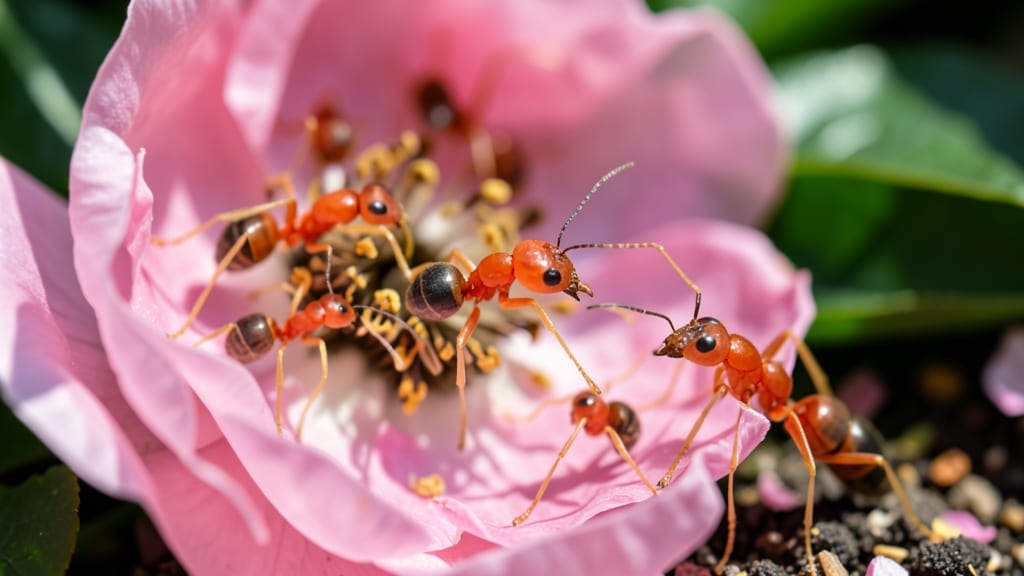
Peony ants on flowers can turn your garden from a dreamy spring display into a battleground for tiny invaders 🌸 — and the damage isn’t just unsightly.
Picture this: you’ve waited all season for your peonies to bloom, only to find ants marching across petals, leaving sticky trails that attract wasps and ruin the show. Worse, they’re not just thieves—they protect pests like aphids, turning your flowers into a buffet for secondary invaders.
The good news? You can stop this cycle before it starts.
In this guide, I’ll walk you through how to spot these ants early, using simple tricks like checking for honeydew residue or watching their trails. Then, we’ll dive into natural solutions—no harsh chemicals needed—that actually work, from diatomaceous earth barriers to companion plants that ants despise.
By the end, you’ll have a plan to protect your peonies this season and keep your garden thriving without a single ant in sight.
How to identify peony ants on flowers and their damage signs
When you spot tiny ants crawling across your peony blooms, they might not be the common garden variety. Peony ants (often Myrmecocystus species) are more destructive than regular ants because they farm aphids and scale insects, which secrete honeydew—a sticky substance that attracts more pests and ruins your flowers.
These ants are usually black or dark brown with a slightly shiny exoskeleton, and they move in organized trails.
Unlike regular ants, peony ants don’t just wander—they establish permanent colonies near your peonies, often in the soil or under rocks. Their presence can lead to sooty mold (a black fungal growth) on leaves and buds, which blocks sunlight and weakens your plants.
If you notice distorted buds or stunted growth, peony ants could be the culprit.
Here’s how to tell them apart from common garden ants like pavement ants or fire ants. The key differences lie in their size, behavior, and the damage they leave behind.
One of the first signs of peony ants is honeydew droplets on your peony leaves or flowers. This sticky residue is a byproduct of aphids feeding on plant sap, and it’s a dead giveaway that ants are protecting these pests.
If left unchecked, honeydew can lead to sooty mold, a black, fuzzy growth that coats leaves and stems, blocking sunlight and reducing photosynthesis.
Peony ants also cause bud distortion. You might notice buds that fail to open properly or grow in odd shapes. This happens because the ants disrupt the plant’s natural growth hormones while tending to their aphid "livestock."
If you see buds that look puffy or misshapen, inspect them closely for tiny ants or aphids.
Another clue is the presence of aphids or scale insects on your peonies. Peony ants actively herd these pests to their flowers, where they can feed without interference. Unlike other ants, they won’t just ignore these secondary pests—they’ll protect them aggressively.
If you spot clusters of aphids, especially near new growth or flower buds, peony ants are likely nearby.
To confirm an infestation, look for ant trails leading to and from your peonies. Peony ants move in straight lines, often along stems or between leaves. Unlike scattered ant activity, these trails are organized and frequent, especially during warm, sunny days when aphids are most active.
If you see workers carrying aphids or eggs, that’s a clear sign of peony ants at work.
Once you’ve identified peony ants, act quickly. These pests can spread rapidly and weaken your peonies over time. In the next section, I’ll share natural removal methods to protect your blooms without harming your garden’s ecosystem.
Natural methods to remove peony ants from flowers without chemicals
Peony ants—often harvester ants or crawling on your blooms—aren't just a nuisance; they can spread honeydew that attracts sooty mold and weaken your plants. The good news?
You can eliminate them without harsh chemicals using simple, effective organic methods tailored for peonies. These solutions protect your delicate flowers while keeping your garden thriving.
Before diving into treatments, remember: timing matters. Early morning or late evening applications work best when ants are most active but temperatures are mild. Always test remedies on a small area first to ensure they won’t harm your peonies.
With these natural ant repellents, you’ll restore your garden’s beauty without risking chemical residue on your prized blooms.
Apply a thin layer around peony bases and flower stems
Mix 1 tbsp neem oil with 1 quart water + 1 tsp mild soap; spray foliage and stems
Plant garlic, mint, or lavender nearby to disrupt ant trails
Use a soft brush to gently sweep ants from blooms into soapy water
Sprinkle ground cinnamon around peony bases weekly to deter ants
For diatomaceous earth, focus on creating a 1-inch barrier around your peony bases and along stems. Reapply after rain or every 2-3 weeks to maintain effectiveness. This food-grade powder works by dehydrating ants but is completely safe for your plants once settled.
Pair it with neem oil sprays for a two-pronged attack on ant colonies.
When using neem oil, always apply it in the early morning to avoid harming beneficial insects like bees. The oil disrupts ants' communication pheromones, making it harder for them to navigate and find food sources.
For best results, reapply every 7-10 days during peak blooming season when ants are most active on your peonies.
Incorporating companion plants like lavender or garlic creates a natural ant deterrent zone around your peonies. These plants release scents that ants avoid, while also attracting pollinators to your garden.
Plant them in a 1-foot radius around your peonies for maximum effect. This method is especially effective for long-term prevention.
For immediate relief, physical removal with a soft brush is your best friend. Simply sweep ants into a container of soapy water to eliminate them instantly.
This method is perfect for spot treatment when you notice ants congregating on your blooms. Combine it with other methods for comprehensive ant control without chemicals.
Finally, don’t forget the power of cinnamon! Its strong scent masks the trails ants use to navigate your garden. Sprinkle a light layer around your peony bases weekly or after watering. This simple trick adds a fragrant touch to your garden while keeping those pesky ants at bay.