
Flowers
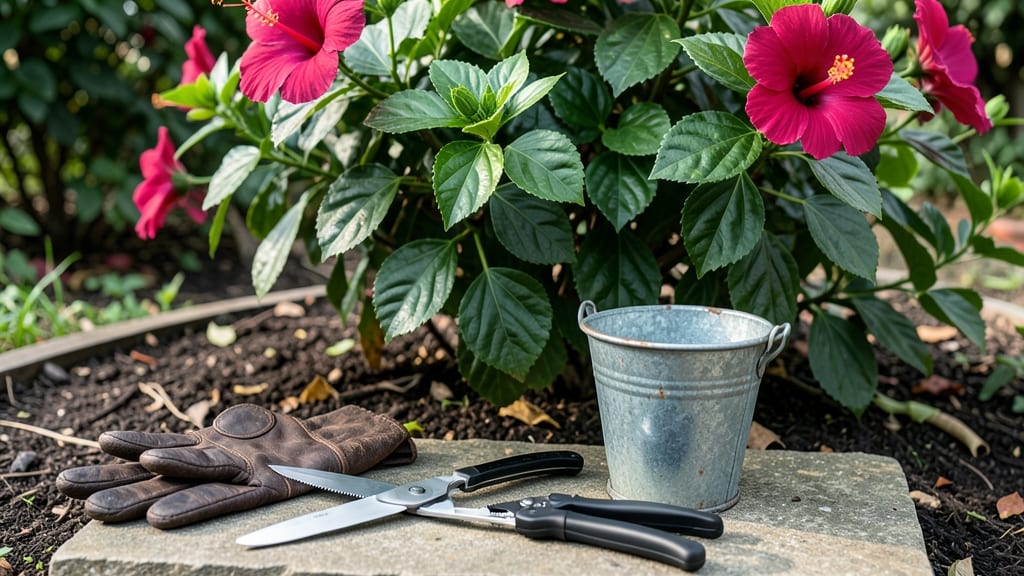
To harvest hibiscus flowers at their peak, look for fully open blooms with vibrant petals in the morning—this is when they’re freshest and last longest in bouquets.
Picture this: you’ve waited months for your 🌸 hibiscus to burst into color, only to snip a flower too early and watch it wilt by afternoon. The right timing isn’t just about cutting—it’s about giving your plant the best chance to keep producing stunning blooms while maximizing their vase life.
Harvesting at the wrong moment can stress your plant, reduce future flowers, and leave you with droopy stems. But get it right, and you’ll enjoy longer-lasting blooms while encouraging your hibiscus to reward you with even more vibrant petals.
Below, I’ll walk you through the exact steps—from the best time of day to handle delicate stems—so you can harvest like a pro and keep your hibiscus thriving all season.
Best time of day and season to harvest hibiscus flowers
Timing your hibiscus harvest correctly makes all the difference in flower quality and plant health. The morning hours are ideal because flowers are fully hydrated from overnight dew, and temperatures are cooler—perfect for preserving their vibrant colors and extending vase life.
Harvesting in the late afternoon can stress your plant, especially during peak summer heat, when flowers wilt faster and stems dry out.
Seasonal timing matters just as much as daily timing. Spring blooms (April–June) are often more delicate, while summer and fall blooms (July–September) tend to be hardier and last longer after harvest.
In USDA Zone 6a, I’ve found that late summer harvests yield the most robust flowers, as the plant has established strong roots and is entering its natural blooming peak before cooler weather arrives.
Temperature plays a hidden role in harvest quality. Ideal harvesting temps range between 60°F and 75°F (15°C–24°C). Harvesting in extreme heat (above 85°F/29°C) causes flowers to wilt within hours, while harvesting in cooler mornings (below 55°F/13°C) can shock the plant.
Always check the weather forecast before planning a large harvest to avoid temperature-related stress.
| Factor | Optimal Conditions | Avoid |
|---|---|---|
| Time of Day | Morning (6 AM–9 AM) | Late afternoon/evening |
| Season | Summer (July–September) | Spring (before full root establishment) |
| Temperature | 60°F–75°F (15°C–24°C) | Above 85°F (29°C) or below 55°F (13°C) |
| Sunlight | Full sun exposure | Partial shade (reduces bloom quality) |
| Flower Stage | Fully open, slight edge wilt | Closed buds or overly wilted |
Sunlight exposure directly impacts when and how you should harvest. Hibiscus flowers need 6+ hours of direct sunlight daily to thrive, but harvesting in peak sunlight hours (10 AM–4 PM) can cause flowers to overheat and wilt prematurely.
Instead, harvest just as the sun begins to rise—this ensures the stems stay hydrated and the petals retain their color for days in a vase.
Seasonal blooming patterns vary by hibiscus type. Tropical hibiscus (like Hibiscus rosa-sinensis) bloom year-round in warm climates but peak in late summer. Hardy hibiscus (like Hibiscus moscheutos) produce their best flowers in mid-to-late summer before cooler weather triggers dormancy.
If you’re growing edible hibiscus varieties (such as Hibiscus sabdariffa), harvest the calyces in full sun when they’re deep red and slightly crisp.
Overlooking the moisture content of your hibiscus plant can ruin a harvest. Always water your plants deeply the night before harvesting to ensure stems are plump and flowers are fully hydrated. Dry soil or underwatered plants produce flowers that wilt within hours of cutting.
I’ve learned this the hard way—skipping the pre-harvest watering leads to sad, droopy bouquets that last only a day or two.
For longer-lasting blooms, harvest when flowers are fully open but just starting to show slight edge wilt. This is their peak bloom stage, meaning they’ve absorbed maximum nutrients and water.
Cutting at this stage ensures your bouquets stay vibrant for 5–7 days in a vase, whereas harvesting too early (when buds are closed) results in flowers that open poorly and wilt faster.
If you’re harvesting for edible purposes, like making hibiscus tea or jams, focus on calyces (the seed pod base) rather than the petals. These should be harvested in full sun when they’re deep red and slightly crisp.
For ornamental use, prioritize morning harvests of fully open flowers to maximize vase life and preserve their vibrant hues.
One pro tip I’ve picked up from local gardeners: Harvest every other day during peak bloom season to encourage continuous flowering. This balance prevents over-stressing the plant while still giving you a steady supply of fresh blooms.
In USDA Zone 6a, I stop harvesting entirely after the first frost (around October 31) to let the plant conserve energy for next season.
Finally, always use clean, sharp pruning shears to make clean cuts just above a leaf node. This encourages new growth and prevents disease. After harvesting, place flowers in cool water immediately to hydrate the stems—this simple step can add 2–3 extra days to their vase life. 🌸
Step-by-step guide to harvesting hibiscus without damaging the plant
Harvesting hibiscus flowers properly ensures you get the most vibrant blooms for your bouquets while keeping your plant healthy. The key is using the right tools and techniques to avoid stressing the plant.
A sharp cut at the correct angle makes all the difference in both flower longevity and plant recovery.
Start by gathering your harvesting tools: clean, sharp pruning shears or scissors, a bucket of water to keep stems fresh, and a small pair of gloves if your hibiscus has thorns.
Always work in the early morning when flowers are fully open and hydrated, giving you the best chance for long-lasting blooms in your vase.
How to Harvest Hibiscus Flowers
- Step 1: Identify fully open blooms with rich color and slightly wilted edges—this means they're at peak freshness.
- Step 2: Hold the stem at a 45-degree angle about 1-2 inches below the flower head for clean cuts.
- Step 3: Use sharp pruning shears to make a precise cut, avoiding tearing or crushing the stem.
- Step 4: Immediately place harvested flowers in a bucket of cool water to maintain hydration.
- Step 5: Remove any lower leaves from stems to prevent bacterial growth in vase water.
After harvesting, trim the stems under running water to remove air bubbles that could block water uptake. This simple step can extend your hibiscus blooms by 2-3 extra days in the vase.
For reviving wilted flowers, place stems in warm water with a drop of bleach or flower preservative to refresh them overnight.
Never harvest more than one-third of blooms at once, as this can stress your hibiscus plant. Focus on healthy, mature flowers first, leaving younger buds to develop. This balance ensures your plant continues producing stunning blooms for weeks to come.
For tropical hibiscus varieties, which bloom year-round, you can harvest more frequently—every 2-3 days—while hardy hibiscus may need a weekly harvest during peak season. Always monitor your plant’s response and adjust your harvesting schedule accordingly.
With these techniques, your harvested hibiscus will stay fresh and vibrant, making any arrangement look like a professional florist’s work. Happy harvesting! 🌸