
Flowers
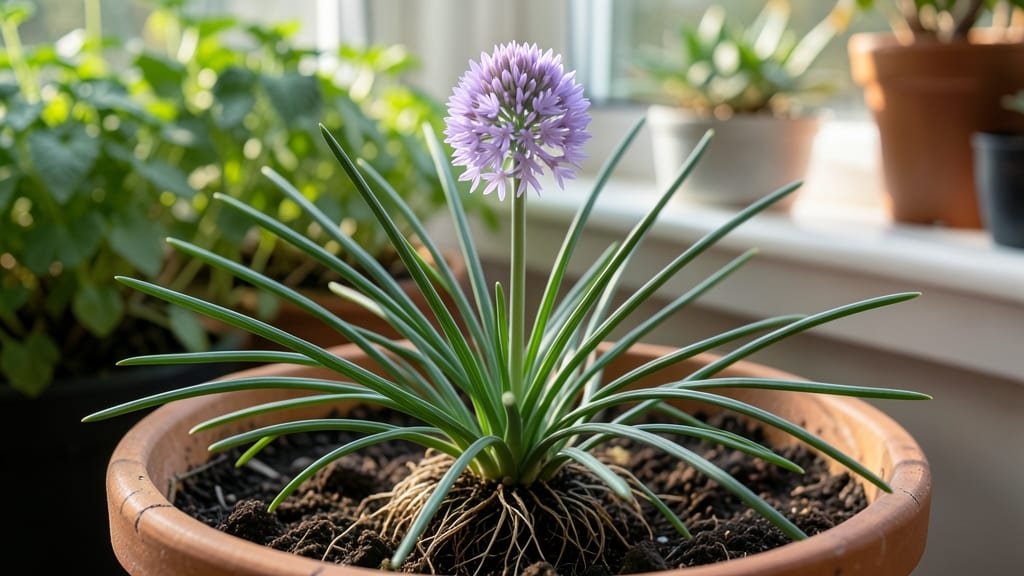
Chives do have flowers 🌱, and they’re not just pretty—they’re edible, too, with a mild onion flavor that brightens salads, garnishes, and even cocktails.
If you’ve ever wondered whether those delicate purple spikes growing from your chives are just decorative—or secretly edible—you’re in for a pleasant surprise. Chives don’t just add flavor to your dishes; their flowers are a culinary treasure waiting to be discovered.
These blooms appear in late spring to early summer, right when your chives are at their peak, and they play a key role in the plant’s lifecycle by producing seeds for the next generation. But before they set seed, you can harvest them fresh for cooking.
Below, I’ll share how to spot chive flowers, when they’re ready to pick, and the best ways to use them—from garnishes to infused oils—so you can make the most of your herb garden’s dual harvest.
Chive flowers: when, why, and how they grow on your plant
Yes, chives absolutely have flowers—and they’re not just pretty to look at! These delicate purple blooms appear on mature chive plants, typically in late spring to early summer. What many gardeners don’t realize is that these flowers are edible too, adding a mild onion-garlic flavor to dishes.
The flowers grow in clusters on tall, slender stems that rise above the leafy green foliage you’re used to harvesting.
Understanding when and why chives flower helps you maximize both harvests and encourage healthy growth. The blooms are part of the plant’s natural lifecycle, signaling it’s ready to produce seeds.
However, if you’re growing chives primarily for their leaves, you might want to prune the flowers to redirect the plant’s energy back into leaf production. Let’s explore how these flowers develop and what you can do to support—or control—their growth.
Chive flowers typically emerge in late spring, around May to June, depending on your climate and planting time. If you’re growing chives in USDA Zone 6a or warmer, you’ll likely see blooms earlier in the season.
The flowers start as tight purple buds on tall stems that can reach 12-18 inches tall. As they open, they reveal small star-shaped blooms that add a pop of color to your garden.
The reason chives flower is simple: it’s their way of reproducing and spreading seeds. Each flower contains tiny seeds that, if left on the plant, will eventually form brown seed pods.
While this is natural, many gardeners prefer to prune the flowers to keep the plant focused on producing more leaves for cooking. However, if you’re growing chives specifically for their flowers—or to attract pollinators—you can let them bloom freely.
To encourage chive flowers, start by ensuring your plants get full sun (6+ hours daily) and well-draining soil. Reduce nitrogen-rich fertilizers in early summer, as too much nitrogen can suppress flowering.
Instead, opt for a balanced fertilizer (5-10-10) to support both leaf and flower growth. Water consistently, but avoid overwatering, which can lead to floppy stems and fewer blooms.
If you’re growing chives in containers, choose pots that are at least 6 inches deep to accommodate the taller flower stems. Container-grown chives may bloom slightly later than those in garden beds, but with the right care, they’ll still produce abundant flowers.
Just be mindful of wind exposure, as containers can dry out faster and may need more frequent watering during the flowering stage.
One common question is whether chive flowers taste different from the leaves. The answer is yes! While the leaves have a mild onion flavor, the flowers carry a subtle garlic-onion hybrid taste that’s perfect for garnishing soups, salads, or even infusing into oils.
The petals are edible and safe to consume, though they’re best used fresh rather than dried, as they lose some of their delicate flavor.
To identify chive flowers, look for tall, slender stems rising from the base of the plant. The buds are purple and tightly clustered, while the open flowers are star-shaped with six petals. Each flower is about 1 inch wide and sits on a thin stalk.
If you see brown seed pods replacing the flowers, it’s a sign the plant is ready to set seeds for next year.
For gardeners who love seasonal variety, chive flowers are a bonus addition to your harvest. Whether you’re using them in the kitchen or simply enjoying their ornamental beauty, these blooms are a testament to the chive plant’s versatility.
With the right care, your chives can produce vibrant flowers year after year, turning your herb garden into a colorful and flavorful display.
Edible chive flowers: flavor, uses, and how to harvest them
Yes, chive flowers are not only beautiful but also edible and flavorful! These delicate purple-pink blooms pack a mild, onion-like taste—softer than the stems but still packed with flavor.
They’re perfect for adding color and taste to dishes without overpowering them. Whether you’re a gardener or a cook, these blooms are a fun way to elevate your meals.
Harvesting chive flowers is simple, and they’re incredibly versatile. You can use them fresh in salads, soups, or as garnishes, or dry them for later use.
Their delicate petals also make stunning edible decorations for cakes and cocktails. Let’s dive into how to harvest, clean, and use them to their fullest potential!
- 🌱 Timing: Harvest flowers when fully open but before they wilt. Morning is best for freshness.
- 🌿 Method: Snip stems with clean scissors or pinch off individual blooms. Leave some flowers to encourage regrowth.
- 💧 Cleaning: Gently rinse under cool water and pat dry with a paper towel. Avoid soaking.
- 🌻 Storage: Keep in the fridge for 3-5 days in a sealed container, or dry them for long-term use.
- 🍽️ Uses: Sprinkle on salads, soups, or eggs. Infuse oils or vinegars for a floral twist.
When harvesting chive flowers, focus on fully opened blooms for the best flavor and texture. Avoid over-harvesting from a single plant, as this can stress it.
If you’re growing chives for both leaves and flowers, leave a few stems to flower naturally—this ensures your plant stays healthy and productive.
The flavor of chive flowers is milder than the stems but still oniony and fresh. They add a subtle crunch and pop of color to dishes, making them ideal for garnishes.
Try them in omelets, potato salads, or even homemade vinegars. Their delicate taste pairs beautifully with creamy cheeses, yogurt, and light dressings.
For creative uses, consider making chive flower-infused oils or vinegars. Simply pack a jar with blooms, cover with oil or vinegar, and let it sit for a few days. Strain and use it to drizzle over roasted vegetables or grilled meats.
You can also dry the flowers and crush them into herb blends or teas for a unique twist.
If you’re growing chives specifically for their flowers, focus on providing full sun and well-draining soil. Regularly deadhead spent blooms to encourage more flowers. With the right care, your chives will reward you with abundant, edible blooms all season long!