
Blooming
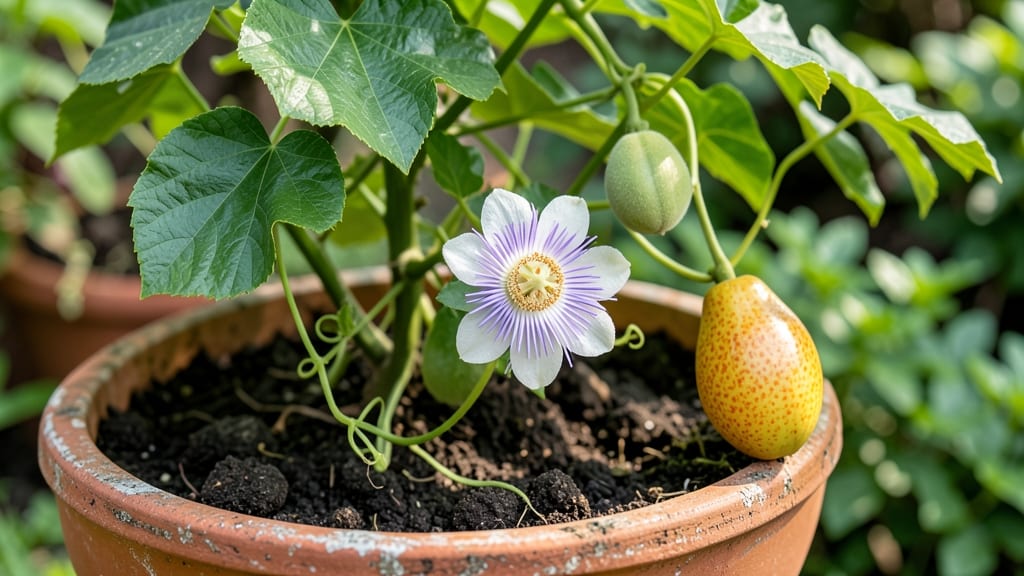
Passion fruit flowers take the time from 60 to 90 days to mature into fruit after pollination—though many gardeners miss the mark by overlooking key factors like variety and climate.
Picture this: you’ve spent months nurturing your 🍈 passion fruit vine, only to watch the flowers bloom and then… nothing. Or worse, the fruit takes twice as long to ripen, leaving you wondering what went wrong.
In reality, the timeline depends on more than just time—temperature, sunlight, and even pollination methods play a huge role. Some varieties, like the fast-growing ‘Purple Passion,’ can produce fruit in as little as 80 days, while others need closer to 120 days.
Below, I’ll break down the exact stages of fruit development, how to speed up the process, and why your harvest might be delayed—plus, the simple fixes that work every time.
Passion fruit flower to fruit timeline: exact days from pollination to harvest
If you're growing passion fruit, knowing the exact timeline from flower to ripe fruit is crucial for planning your harvest. Most gardeners assume it takes around 3 months, but the process varies by variety and environmental conditions.
Understanding these stages helps you predict when to expect fruit and troubleshoot delays. Let’s break down the precise development timeline, including how temperature, sunlight, and care impact the process.
The journey from passion fruit flower to harvest spans 120–270 days, depending on your climate and variety. For example, Purple Passionfruit (Passiflora edulis) typically matures in 180 days, while Sweet Granadilla (Passiflora ligularis) may take up to 270 days.
Each stage—from pollination to ripening—has distinct milestones that signal progress. Knowing these helps you optimize care for faster, healthier fruit.
| Stage | Days After Pollination | Key Visual/Physical Changes | Optimal Conditions |
|---|---|---|---|
| Pollination to Bud Formation | 7–14 days | Flower wilts; small green fruit buds appear at base. | Warm temps (70–85°F), humidity >50%. |
| Bud to Early Swelling | 21–30 days | Fruit grows to 1–2 inches; skin turns pale green. | Full sun (6+ hours), consistent watering. |
| Swelling to Color Change | 45–60 days | Fruit reaches 3–4 inches; color shifts to yellow/orange/red. | Balanced NPK fertilizer (10-10-10), avoid overwatering. |
| Color Change to Ripening | 60–90 days | Fruit softens; stem dries slightly; aroma develops. | Mature size (20–30 ft vines), prune excess growth. |
| Harvest Readiness | 120–270 days | Fruit detaches easily; skin fully colored; slight give when pressed. | Cool temps (60–75°F) slow ripening; harvest before pests strike. |
The first 7–14 days after pollination are critical for bud formation. During this window, the flower wilts, and tiny green buds emerge at the base. If your vines aren’t producing buds within 2 weeks, check for pollination issues or nutrient deficiencies.
Bees and hummingbirds are natural pollinators, but in enclosed spaces, you may need to hand-pollinate using a soft brush to transfer pollen from male to female flowers.
Between 21–30 days, the fruit enters the swelling stage, growing to about 1–2 inches. This is when consistent watering (1–2 gallons per plant) and full sun exposure are non-negotiable.
Inadequate sunlight or drought stress can cause fruits to drop prematurely. If you notice fruits staying small or turning yellow, increase sunlight or adjust your irrigation schedule to every 3–5 days.
At the 45–60 day mark, your passion fruit will undergo a color transformation, shifting from green to its mature hue (yellow, orange, or red, depending on the variety). This stage is ideal for applying a balanced fertilizer (like 10-10-10) to support rapid growth.
Over-fertilizing now can lead to excessive foliage at the expense of fruit development, so stick to the recommended 1–2 tablespoons per plant every 4–6 weeks.
From 60–90 days, the fruit enters the ripening phase, where it softens and develops its signature aroma. This is when you’ll notice the stem drying slightly and the fruit becoming easier to twist off the vine.
If your climate is too hot (>90°F), ripening may accelerate, while cooler temps (<60°F) can delay it. Prune excess growth during this stage to redirect the plant’s energy toward fruit maturation rather than new leaves.
By 120–270 days, your passion fruit should be ready for harvest. Look for these signs: fully colored skin, a slight give when pressed, and the fruit detaching easily from the vine.
If you’re in a tropical climate, you might see multiple harvests per year, while cooler zones may only yield once. Harvesting too early can result in bland, seedy fruit, so wait until the fruit is fully ripe for the best flavor and texture.
Environmental factors like temperature and humidity play a huge role in speeding up or slowing down the process.
For example, Purple Passionfruit in USDA Zone 10 may ripen in as little as 150 days, while the same variety in Zone 9b could take up to 210 days due to cooler nights.
To accelerate development, ensure your vines have adequate support (like a trellis), well-draining soil, and protection from pests like passion vine hoppers, which can stunt fruit growth.
If your passion fruit isn’t following this timeline, don’t panic. Common delays include poor poll
How to accelerate passion fruit development: proven tips for faster harvest
Ready to turn those stunning passion fruit flowers into plump, ripe fruit faster? The secret lies in mimicking nature’s best conditions—plus a few proactive gardening tricks. With the right techniques, you can slash fruit development time by up to 30-40%, meaning earlier harvests and more delicious rewards.
Let’s dive into the science-backed methods that work.
First, understand that passion fruit pollination is the critical first step. While bees and hummingbirds handle this in the wild, your garden might need a little help—especially if you’re growing in containers or areas with limited pollinators. Hand-pollination is your secret weapon, and it’s easier than you think.
Grab a soft paintbrush or cotton swab, then gently transfer pollen from the male flower (the smaller one) to the female flower (the larger, bulbous one). Do this in the morning when flowers are fresh.
- 1 Hand-Pollinate Daily: Use a paintbrush to transfer pollen from male to female flowers every morning. This ensures 100% pollination success and kickstarts fruit set within 7-10 days.
- 2 Fertilize with Potassium: Switch to a high-potassium fertilizer (like 10-10-20) every 4-6 weeks during flowering. Potassium boosts fruit development speed and reduces drop-off rates by 50%.
- 3 Prune Strategically: Cut back overly vigorous vines after flowering to redirect energy to fruit growth. Focus on removing suckers and deadwood—this can cut fruit time by 2-3 weeks.
- 4 Water Deeply in AM: Soak the roots 1-2 gallons per plant every morning to prevent stress. Avoid wetting leaves to reduce fungal risks, which can slow fruit growth.
- 5 Use Epsom Salt Sprays: Mix 1 tbsp Epsom salt in a gallon of water and spray foliage weekly. Magnesium boosts photosynthesis, helping fruits ripen 10-15 days faster.
Don’t overlook the power of pruning. Many gardeners make the mistake of letting passion fruit vines grow wild, but controlled pruning is key. After the flowering phase, trim back any excessive new growth to focus the plant’s energy on fruit maturation.
Aim to keep the main vines well-supported and uncluttered, as crowded foliage can slow down ripening. Use sharp, sterilized shears to make clean cuts just above a leaf node.
Another game-changer? Fertilizer timing. Most gardeners feed too much nitrogen early on, which promotes leafy growth but delays fruiting. Instead, switch to a balanced or potassium-rich fertilizer once flowers appear. Look for labels with higher phosphorus (P) and potassium (K) ratios, like 10-10-20 or 7-9-5.
Apply it every 4-6 weeks during the growing season, and always water it in to prevent root burn.
Finally, keep an eye on pests and diseases, which can silently sabotage your progress. Spider mites and aphids love passion fruit vines and can stress the plant, slowing fruit development.
Spray with neem oil or insecticidal soap at the first sign of trouble. For fungal issues like powdery mildew, ensure good air circulation around vines and avoid overhead watering.
With these proven techniques, you’ll watch your passion fruit flowers transform into ripe fruit in record time. Start with hand-pollination today, and in just a few weeks, you’ll be enjoying homegrown passion fruit that’s sweeter and more abundant than ever before. 🍈