
Container Gardens
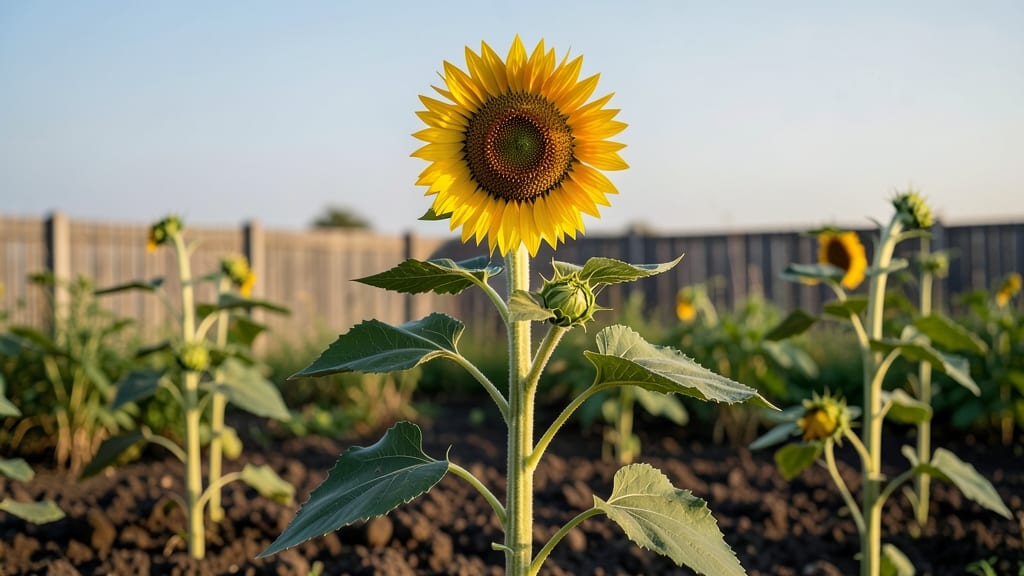
Growing sunflowers at the right time in the sunflower growing season means the difference between a 10-foot tower of golden blooms and a sad, stunted plant that never reaches its potential.
Picture this: You’ve spent weeks nurturing your 🌻 seedlings, only to watch them bolt in the heat or freeze before they even bloom. The key isn’t just planting anytime—it’s timing it to your USDA Zone, soil temps, and frost dates.
Miss the window, and you’ll end up with a garden full of disappointment instead of those jaw-dropping, sun-soaked giants.
Whether you’re in a cool Zone 3 or a warm Zone 10, the right planting schedule can turn your sunflowers into the star of the summer. Below, I’ll break down the exact dates, soil prep tips, and variety tricks to maximize height and blooms—no matter where you garden.
Ready to grow sunflowers that steal the show? Let’s dive into the perfect planting timeline for your zone, plus how to stretch the season for late blooms or early starts.
Sunflower planting dates by USDA Zone: the exact timeline for maximum height
Timing is everything when you want sunflowers reaching 9–12 feet. Plant too early, and frost will nip tender seedlings. Too late, and your stalks won’t mature before winter.
The key? Aligning your last frost dates with soil temperatures above 55°F and choosing varieties with the right days to maturity.
Most sunflower varieties need 70–120 days to reach their full height. That means in USDA Zone 3, you’ll need to start seeds indoors or use early-maturing dwarf varieties (like 'Teddy Bear'), while Zone 10 gardeners can enjoy two planting windows—spring and fall.
Here’s your zone-by-zone planting calendar, including direct sowing and transplanting tips to maximize those towering blooms.
| USDA Zone | Last Frost Date | Direct Sowing Window | Transplant Window | Ideal Variety for Height | Soil Temp Requirement |
|---|---|---|---|---|---|
| Zones 3–4 | Mid-May | Late May–Early June | Start indoors April 1 | 'Russian Giant' (90–120 days) | 55–60°F |
| Zones 5–6 | Mid-April | Early May–June 15 | Start indoors March 15 | 'Mammoth' (90–100 days) | 55–65°F |
| Zones 7–8 | Mid-March | March–July (2 plantings) | Direct sow anytime | 'Autumn Beauty' (80–90 days) | 60–70°F |
| Zones 9–10 | None (warm year-round) | February–August (3 plantings) | Direct sow anytime | 'ProCut' (60–70 days) | 65–75°F |
*Varieties with shorter days to maturity work best in cooler zones. Use black plastic mulch to warm soil in Zones 3–5.
In Zones 3–4, where frost lingers late, opt for early-maturing varieties like 'Teddy Bear' (60–70 days) or 'Sunspot' (55–60 days). Plant after your last frost date, typically late May, and use row covers to extend the season by 2–3 weeks.
For Zones 5–6, you’ve got flexibility. Sow seeds 1 inch deep and 6 inches apart from early May to June 15 for standard varieties. If you want a second bloom in fall, try a late July planting of dwarf varieties like 'Little Becka' (50–60 days).
Gardeners in Zones 7–8 can enjoy two planting windows: spring (March–April) and fall (August–September). Use black plastic mulch to warm soil early for faster germination. For maximum height, choose 'Mammoth' or 'Russian Giant'—but give them 24+ inches of space to avoid competition.
In Zones 9–10, where frost is rare, you can plant three times: February (for early summer blooms), June (for fall color), and August (for winter interest). ProCut and 'Italian White' thrive here with minimal frost risk.
Pro tip: Test your soil temperature with a thermometer before planting. Sunflowers won’t germinate well below 55°F. If your soil is cold, use black plastic mulch or a cold frame to warm it up faster.
For transplanting, start seeds indoors 4–6 weeks before your last frost date. Harden off seedlings by placing them outdoors for 2–3 hours daily for a week before transplanting. Space them 18–24 inches apart to avoid overcrowding, which stunts growth.
Remember, sunflowers need full sun—at least 6–8 hours daily. If your garden is shady, choose dwarf varieties like 'Sunflower 'Puck' (3–4 feet tall) for containers or borders.
🌻
How to adjust sunflower planting for late summers and short seasons
If you live in USDA Zones 3–5, your growing season feels like a sprint—not a marathon. But with the right tricks, you can still coax 8–10-foot sunflowers from your garden. The key? Adjusting timing, choosing cold-hardy varieties, and protecting young plants from early frosts.
In Zones 8–10, heat and humidity can stall growth, so we’ll focus on succession planting and shade strategies to keep stems strong.
For cooler climates, dwarf varieties like 'Teddy Bear' (4–5 ft) thrive in containers, while standard types need row covers to extend their season. In warmer zones, black plastic mulch raises soil temps by 10°F, speeding up germination and boosting height by 20–30%.
Let’s break down the zone-specific hacks to maximize your sunflower’s potential.
- 1. Start Indoors in Zones 3–5: Sow seeds 6–8 weeks before last frost in biodegradable pots. Transplant seedlings after soil warms to 55°F.
- 2. Use Row Covers: Protect young plants with floating row covers to add 5–10°F warmth and extend the season by 3–4 weeks.
- 3. Choose Dwarf Varieties for Containers: 'Moulin Rouge' (3–4 ft) or 'Autumn Beauty' (4–5 ft) thrive in 5-gallon pots with well-draining soil.
- 4. Succession Plant in Zones 8–10: Sow new seeds every 2 weeks from March to July for continuous blooms.
- 5. Mulch with Black Plastic: Raises soil temp by 10°F, speeds germination, and boosts height by 20–30% in cooler zones.
- 6. Fertilize Strategically: Apply 10-10-10 fertilizer at planting and again when plants hit 1–2 feet tall.
In Zones 3–5, succession planting in late July can yield fall-blooming sunflowers before frost. Choose fast-maturing varieties like 'ProCut Hybrid' (60–70 days to harvest), which tolerates cooler temps better than standard types. For Zones 8–10, shade cloth (30–50%) during peak afternoon heat prevents bolting and keeps stems sturdy.
Don’t overlook soil prep: Amend clay soil with compost and perlite to improve drainage, and add 1 cup of bone meal at planting for phosphorus—critical for strong stems. In containers, use a lightweight potting mix with 20% perlite to prevent root rot.
Pro tip: Harvest seeds early in short seasons by cutting heads when back turns yellow (before petals droop). Hang upside-down in a dry, dark place for 2–3 weeks to cure seeds for next year’s garden.
With these adjustments, even late summers and short seasons can produce sunflowers that outshine the competition. 🌻