
Mower
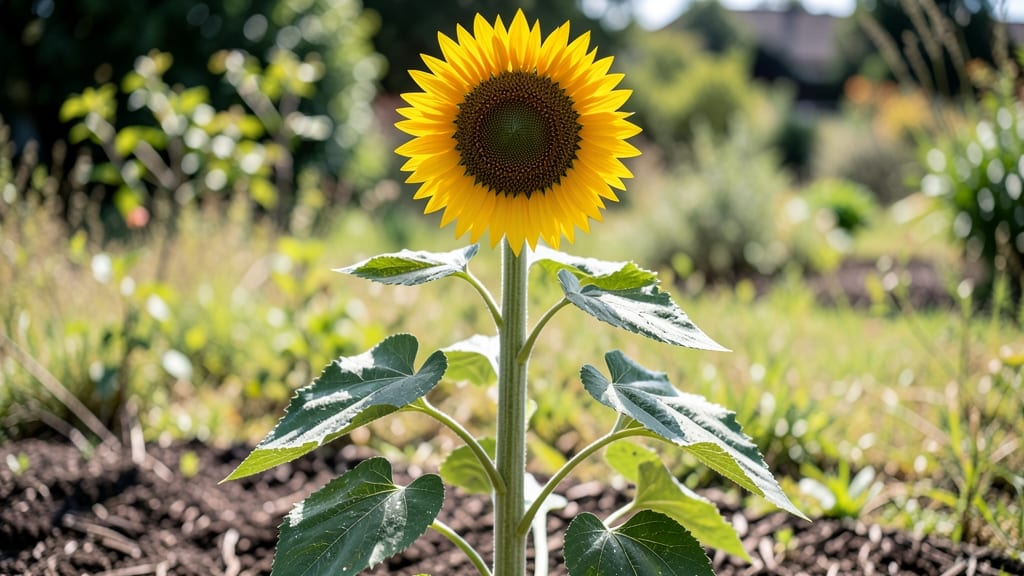
Growing a Mammoth sunflower to its full size of 12-14-foot height is like raising a garden skyscraper—towering, dramatic, and worth every inch of effort.
If you’ve ever dreamed of towering sunflowers that make your garden the talk of the neighborhood, Mammoth sunflowers might be your perfect match—but knowing their exact size and spacing is key to avoiding disappointment.
These giants don’t just reach for the sky; they thrive with the right conditions. In USDA Zone 6a, where spring planting begins in April, their growth explodes from 6-inch seedlings to sun-blocking stalks by August.
But without proper spacing—18-24 inches apart—they’ll compete for nutrients, leaving you with stunted blooms instead of the 10-foot+ giants you imagined.
Below, I’ll break down everything you need to know: how tall they truly grow, the spacing secrets that unlock their full potential, and the simple tweaks that turn good sunflowers into garden showstoppers.


Mammoth sunflower size breakdown: height, width, and growth stages
If you're planning a Mammoth sunflower garden, understanding their final size and growth patterns is essential. These giants can reach 10-14 feet tall with stems as thick as your wrist, creating a dramatic focal point in any landscape.
But not all mammoth varieties grow the same—some hit 12 feet while others stretch toward 14 feet, depending on genetics and growing conditions.
The Russian Mammoth variety is the most popular, typically reaching 10-12 feet with 12-18 inch wide blooms. Meanwhile, the Giant Russian can surpass 14 feet under ideal conditions. Their stem diameter often measures 2-4 inches at maturity, requiring sturdy support to prevent toppling in windy areas.
Growth stages are just as critical as final size. Mammoth sunflowers follow a predictable timeline: seed germination occurs in 7-14 days, followed by rapid vegetative growth (stem elongation) that accelerates after 60 days. Flower buds form by day 70-80, and full blooms appear 80-100 days after planting, depending on variety and climate.
Climate significantly impacts final height. In USDA Zone 9 or 10, where growing seasons extend into late fall, mammoth sunflowers often reach their maximum potential of 14 feet.
However, in shorter-season zones (6-7), expect 10-12 feet unless you use row covers to extend the season. Temperature swings can also stunt growth—consistent warmth (above 70°F) yields the best results.
Another factor affecting size is soil fertility. Mammoth sunflowers thrive in well-draining soil rich in phosphorus and potassium. Amend your soil with compost or a balanced fertilizer (10-10-10) before planting to encourage strong stem development.
Without proper nutrients, stems may become weak and spindly, leading to toppling or smaller blooms.
Width is often overlooked, but mammoth sunflowers spread 3-5 feet wide at maturity, thanks to their large foliage. This means they need ample space to avoid shading neighboring plants.
In small gardens, consider container growing with 5-gallon pots or raised beds to manage their spread while still enjoying their dramatic height.
Seasonal growth varies dramatically. Early spring planting (after last frost) gives sunflowers 120-150 frost-free days to mature. If you plant in late May or June, expect shorter stems (8-10 feet) and smaller blooms.
For maximum size, aim to plant 4-6 weeks before your average last frost date—this gives roots time to establish before rapid stem elongation begins
Optimal spacing for Mammoth sunflowers: avoid crowding and maximize blooms
Mammoth sunflowers need proper spacing to reach their full 10-14 foot potential. Crowding leads to stunted growth, disease, and smaller blooms—so 18-24 inches apart is ideal for in-ground planting. This spacing ensures full sun exposure and airflow circulation, both critical for their massive size.
If you're growing in containers, use at least 5-gallon pots with a single plant per container. Containers dry out faster, so deep watering every 2-3 days is essential. Without proper spacing, your sunflowers will compete for nutrients, resulting in weaker stems and fewer blooms.
| Planting Method | Spacing Requirement | Sunlight Needs | Airflow Benefits |
|---|---|---|---|
| In-Ground | 18-24 inches apart | 6+ hours daily | Reduces fungal risk |
| Containers (5+ gallons) | 1 plant per pot | 6+ hours daily | Prevents root binding |
| Raised Beds | 24 inches apart | 6+ hours daily | Warmer soil speeds growth |
Proper spacing directly impacts flower size and stem strength. Sunflowers planted too closely will lean toward sunlight, causing weak stems that snap under their own weight. I’ve seen 12-foot stems collapse when crowded—so follow spacing guidelines to avoid heartbreak.
For maximum blooms, pair proper spacing with well-draining soil and regular watering. Amend your soil with compost before planting to provide nutrients for their rapid growth. In my garden, Russian Mammoth varieties hit 14 feet when given ideal conditions—including the right spacing.
If you’re short on space, consider trellising or staking your sunflowers. This allows you to plant closer together (12-18 inches apart) while still supporting their height. Just ensure the trellis is buried deep to prevent toppling in windy conditions.
Remember: Mammoth sunflowers are heavy feeders. Without proper spacing, they’ll compete for nutrients, leading to smaller blooms and paler petals. Give them room to thrive, and you’ll be rewarded with showstopping sunflowers that turn heads all season long. 🌻