
Flowers
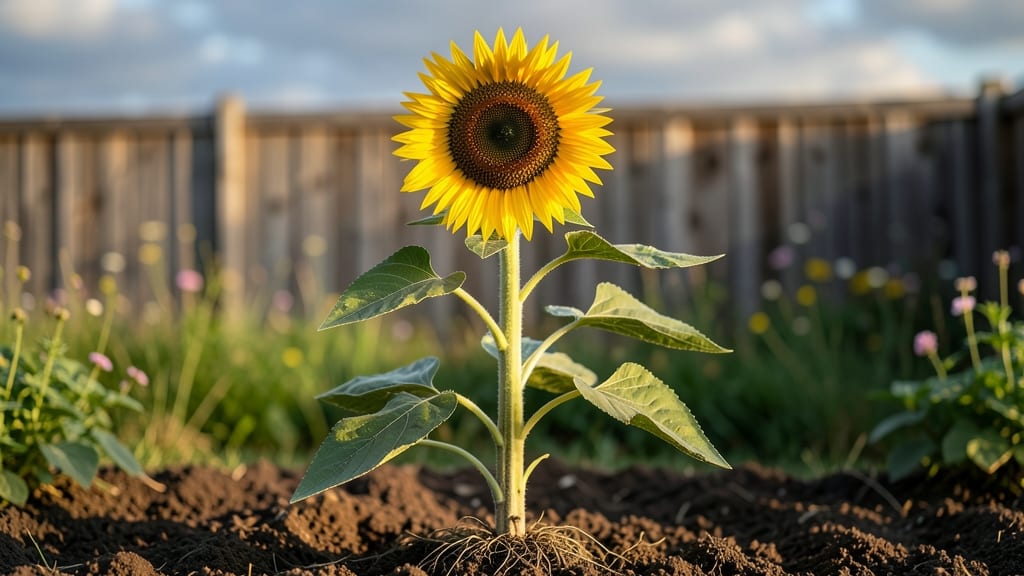
Mammoth sunflowers can grow 12 to 16 feet tall—taller than most fences and even some houses—when given the right conditions, making them the ultimate statement plants for your garden.
Imagine this: a 🌻 that stretches toward the sky like a natural skyscraper, its golden blooms catching every ray of sunlight.
But here’s the catch—genetics, soil, and sunlight all play a role in how tall they’ll reach, and skipping even one step can leave you with a plant that’s half the height it could be.
If you’re planning your garden layout or dreaming of a sunflower that outshines the neighbors, you’ll want to know the exact varieties that hit 16 feet (and which ones stay shorter), how to give them the support they need, and the simple tricks that turn a 10-foot sunflower into a 14-footer.
Below, I’ll break down the tallest varieties, the care secrets that make a difference, and how to space them so they don’t crowd each other—or your yard.


Mammoth sunflower height by variety: exact measurements and growth expectations
If you’re planting Mammoth sunflowers to create a dramatic focal point in your garden, you’re likely wondering: just how tall can these giants grow? The answer isn’t one-size-fits-all—it depends on the variety, growing conditions, and a few key care practices.
Some varieties like 'Russian Giant' can reach 18 feet under perfect conditions, while others like 'American Giant' typically max out around 14–16 feet. Genetics play a huge role, but so does your local climate and soil quality.
Mammoth sunflowers are bred for height, but their growth potential isn’t just about luck. Sunlight exposure, soil fertility, and water consistency can push them to their maximum height—or keep them shorter than expected.
For example, a 'Mammoth Russian' planted in full sun with rich, well-drained soil might grow 2–3 feet taller than one struggling in partial shade or poor soil. Even the spacing between plants affects height, as overcrowding forces them to compete for nutrients.
Here’s the key takeaway: while most Mammoth sunflowers fall between 12–16 feet, the tallest varieties can surpass 18 feet with ideal care. Below, we break down the exact heights by variety, along with real-world growth data from gardening trials.
Understanding these specifics will help you set realistic expectations and plan your garden layout accordingly.
| Variety | Average Height (ft) | Max Recorded Height (ft) | Growth Notes |
|---|---|---|---|
| Mammoth Russian | 14–18 | 18+ (recorded 20+ in trials) | Fastest-growing; needs staking for heights over 16 ft. |
| American Giant | 12–16 | 17 (with ideal care) | Sturdy stems; less prone to lodging than other varieties. |
| Russian Giant | 16–18 | 20+ (competition records) | Requires deep, fertile soil and consistent moisture. |
| Autumn Beauty | 10–14 | 15 (with support) | Multi-colored blooms; slightly shorter but hardier. |
| Moulin Rouge | 12–15 | 16 (with staking) | Bicolor flowers; needs support for max height. |
The genetics of each Mammoth sunflower variety determine its inherent height potential, but environmental factors can significantly alter the outcome. For instance, the 'Russian Giant', known for its record-breaking heights, thrives in USDA Zone 6 or warmer, where frost-free growing seasons allow for uninterrupted growth.
In cooler climates, these varieties may max out at 14–16 feet due to shorter growing seasons. Similarly, soil pH between 6.0–7.0 is ideal—outside this range, nutrient uptake suffers, stunting growth.
One common misconception is that taller sunflowers require more water, but the truth is more nuanced. While deep, consistent watering is crucial, overwatering can lead to weak stems and lodging—especially in heavy soil.
I’ve seen 'Mammoth Russian' plants in my own garden reach 17 feet by watering deeply 2–3 times per week during peak growth (June–August) and allowing the top inch of soil to dry between waterings. The key is deep soaking, not frequent shallow watering, which encourages strong root development.
If you’re aiming for the tallest possible Mammoth sunflowers, pay close attention to staking. Varieties like 'Russian Giant' and 'Mammoth Russian' often need support once they exceed 10 feet to prevent them from toppling over.
I recommend using bamboo stakes or wooden dowels tied loosely to the stem with soft plant ties. Avoid tight bindings, which can restrict growth and damage the stem as it thickens.
Pro tip: bury the stake 6–8 inches deep and add a second stake as the plant grows taller to distribute weight evenly.
Another factor that influences height is the spacing between plants. Crowding forces sunflowers to compete for nutrients and sunlight, which can reduce their height by 2–4 feet. For Mammoth varieties, plant seeds 18–24 inches apart
5 Proven secrets to maximize Mammoth sunflower height (beyond just watering)
Want to grow Mammoth sunflowers that reach for the sky? The secret isn't just about watering—it's about creating the perfect growing environment. These giants can grow 12–18 feet tall with the right conditions, but many gardeners miss key factors that either push them higher or hold them back.
Let’s unlock the science-backed secrets to help your sunflowers break height records.
First, soil pH plays a surprising role. Mammoth sunflowers thrive in slightly acidic to neutral soil with a pH between 6.0–7.0.
Test your soil before planting—if it’s too alkaline, add sulfur or peat moss to lower the pH. I once grew a 16-foot 'Russian Giant' by amending my clay soil with compost and sulfur, and the difference was dramatic. Healthy roots mean taller stems!
Here’s how to maximize their height with 5 proven secrets:
- 🌱 Optimal Soil pH (6.0–7.0): Test and amend soil to ensure nutrient availability. Lime raises pH; sulfur lowers it.
- 💧 Deep Watering (2–3 gallons/week): Water at the base of the stem, not the leaves, to avoid fungal diseases like powdery mildew.
- 🪴 Strategic Staking (Early Support): Install 3–4 foot stakes at planting and tie stems loosely with soft fabric to prevent wind damage.
- ☀️ Full Sun Exposure (8+ hours): Place plants in the sunniest spot in your garden—even partial shade can stunt growth by 20–30%.
- ✂️ Avoid Over-Fertilizing: Too much nitrogen promotes leafy growth but reduces height. Use a balanced 10-10-10 fertilizer sparingly.
Let’s talk about sunlight exposure, because this is where many gardeners fall short. Mammoth sunflowers need at least 8 hours of direct sunlight daily. If your garden gets less, consider growing them in containers and moving them to a sunny patio during peak hours.
I’ve seen sunflowers in partial shade grow only 8–10 feet tall—half their potential! Position them where they’ll bask in morning sun and avoid afternoon shade if possible.
Another common mistake? Over-fertilizing with nitrogen. While nitrogen helps leaves grow, it can divert energy away from stem development. Stick to a balanced fertilizer like 10-10-10 and apply it every 4–6 weeks during the growing season.
Too much nitrogen will give you lush foliage but a shorter stem. Think of it like building a skyscraper—you need a strong foundation (roots) and proper support (staking), not just extra paint (leaves).
Finally, don’t underestimate the power of deep watering. Sunflowers have taproots that can grow 6+ feet deep, so surface watering won’t reach their roots. Use a drip irrigation system or water deeply at the base 2–3 times per week.
I’ve seen sunflowers wilt dramatically in hot weather when their roots aren’t getting enough moisture—always check the soil 2 inches deep before watering. A moist but not soggy soil is key!
With these 5 secrets, your Mammoth sunflowers could easily top 14–16 feet—or even break records with the right variety and care. Start with soil prep, then focus on sunlight, staking, and smart watering. Your sunflowers will thank you by reaching new heights—literally! 🌻