
Size
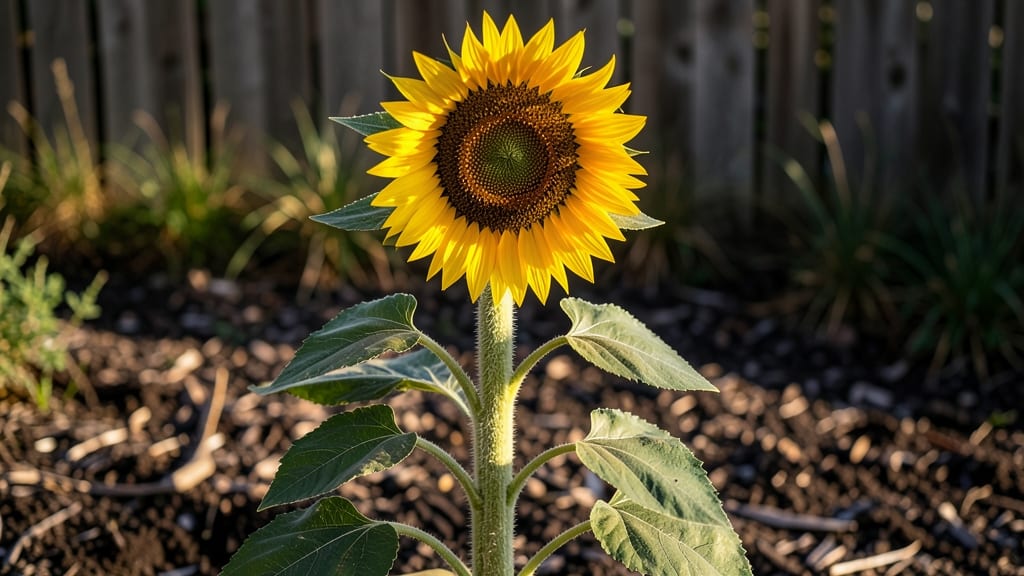
If you’ve ever wondered how tall do mammoth sunflowers get, the answer might surprise you—these towering giants can reach heights of 10 to 14 feet, often dwarfing expectations and even outgrowing a two-story house window!
If you’ve ever dreamed of a sunflower towering over your backyard fence—or even your house—Mammoth sunflowers might be your answer. But before planting, knowing their exact height potential (and how to maximize it) is key to avoiding disappointed stares at a shorter-than-expected giant.
These sunflowers grow rapidly in the right conditions, with some varieties like 'Russian Giant' and 'American Giant' pushing the limits of their 14-foot potential. The secret? Rich soil, full sun, and consistent watering—all of which we’ll break down to help you grow the tallest possible 🌻 in your garden.
Whether you’re planting in Zone 6a or another sunny spot, you’ll discover how to nurture these giants from seed to sky-high bloom—plus when to expect harvest-ready flowers in August or September.


Mammoth sunflower height guide: tallest varieties and their skyward potential
Mammoth sunflowers are the giants of the garden, capable of reaching sky-piercing heights that turn heads in any neighborhood. These towering beauties aren’t just impressive—they’re a genetic marvel of selective breeding, pushing heights beyond 10 feet under ideal conditions.
Whether you’re planning a dramatic backyard centerpiece or competing in sunflower height records, knowing the exact potential of each variety is your first step to success.
Not all Mammoth sunflowers grow to the same height—some varieties lean toward 12-foot giants, while others max out around 8 feet. The difference? Genetics, growing conditions, and care play equal roles in determining how tall your sunflower will soar.
From the 'Russian Giant' to the 'American Giant', each variety has its own height ceiling and growth quirks. Let’s break down the tallest contenders and what makes them reach for the clouds.
🌻
| Variety | Average Height | Max Recorded Height | Growth Notes |
|---|---|---|---|
| Russian Giant | 12–14 ft | 16 ft (recorded in Russia) | Fast-growing, sturdy stems; thrives in cool climates. |
| American Giant | 10–12 ft | 14 ft (U.S. records) | Heat-tolerant; ideal for southern gardens. |
| Mammoth | 9–11 ft | 13 ft (with staking) | Versatile; great for beginners with shorter growing seasons. |
| Colossus | 10–13 ft | 15 ft (experimental strains) | Disease-resistant; needs rich soil for max height. |
| Serenity | 8–10 ft | 11 ft (compact but tall) | Smaller footprint; great for containers or tight spaces. |
The 'Russian Giant' holds the crown for the tallest Mammoth sunflower, with recorded heights of 16 feet in its native climate. This variety is a cool-weather specialist, meaning it performs best in regions with moderate summer temperatures.
If you’re in a hot, dry climate, the 'American Giant' is your best bet—it’s bred to handle intense heat while still reaching 14 feet under optimal care.
Genetics aren’t the only factor—soil quality and sunlight directly influence how tall your sunflower grows. Mammoth varieties need well-draining, nutrient-rich soil packed with organic matter.
A pH between 6.0 and 7.0 is ideal, and adding compost or aged manure before planting gives their roots the energy boost they need to fuel rapid growth. Without these basics, even the hardiest varieties will fall short of their potential.
Sunlight is non-negotiable for these giants. Mammoth sunflowers require full sun exposure (6–8+ hours daily). In shadier climates, their stems may grow taller but weaker, increasing the risk of toppling.
If your garden lacks direct sunlight, consider reflective surfaces (like white walls or mulch) to maximize light absorption and encourage vertical growth.
One of the most misunderstood aspects of growing Mammoth sunflowers is their growth speed. These plants can sprout in just 7–10 days and reach 6 feet in 60 days. However, their final height is determined by stem elongation, which happens in late summer.
This is why early-season care—like consistent watering and staking—sets the stage for their skyward ascent.
Real-world gardeners often report height variations based on their local conditions. For example, a 'Russian Giant' in Minnesota might hit 14 feet, while the same variety in Arizona could max out at 10 feet due to heat stress.
To push your sunflowers to their limits, monitor their growth weekly and adjust care as needed. Staking is especially critical for varieties over 10 feet—without support, even the sturdiest stems can snap under their own weight.
If you’re aiming for record-breaking heights, pay attention to wind exposure. While Mammoth sunflowers are wind-tolerant, excessive gusts can stunt growth or damage leaves.
Planting in a sheltered location (like near a fence or building) helps them focus energy on vertical growth rather than reinforcing their stems against the elements.
Finally, remember that height isn’t everything. While Mammoth sunflowers are prized for their dramatic stature, their flower size and seed yield are also impressive.
The larger the stem, the bigger the bloom—so if you’re growing for cut flowers or birdseed, prioritize soil fertility and sunlight over sheer height. With the right variety and
5 Proven tips to grow Mammoth sunflowers as tall as possible
Want to grow Mammoth sunflowers that reach their full 10-14 foot potential? It starts with proper soil preparation—these giants crave nutrient-rich, well-draining soil. Amend your garden bed with compost or aged manure before planting to give their deep roots the fuel they need.
I’ve found that adding a 5-10-10 fertilizer at planting time boosts early growth, setting the stage for sky-high stems.
Sunlight is non-negotiable for Mammoth sunflowers. These plants demand 8+ hours of direct sun daily—no compromise. Plant them in the sunniest spot in your yard, even if it means sacrificing a smaller shrub.
In my USDA Zone 6a garden, I’ve seen plants grow 3 feet taller in full sun compared to partial shade. If your yard lacks ideal sunlight, consider reflective surfaces like white walls or mulch to maximize light exposure.
Consistent watering is critical for Mammoth sunflowers, but don’t drown them. Aim for a deep soak of 1-2 gallons every 3-5 days, focusing on the root zone. Water in the early morning to reduce fungal risks and let foliage dry quickly.
I’ve noticed that drip irrigation works best—it delivers water directly to roots while keeping leaves dry. During summer heatwaves, increase frequency to every 2-3 days to prevent wilting.
Staking is where many gardeners fail—and where Mammoth sunflowers often topple. Install 3-4 foot stakes or bamboo poles at planting time, placing them 3-4 inches from the stem. Use soft fabric strips (like old T-shirts) to tie the stem loosely—tight ties can girdle the stem as it thickens.
I’ve seen 12-footers snap in wind without proper support, but staked plants reach their full height without bending.
Avoid these pruning mistakes that stunt growth: Never trim the main flower head—this is where the plant directs its energy. Instead, remove side buds (those smaller buds forming lower on the stem) in the first 4-6 weeks to encourage a single, towering bloom.
I once pruned a Russian Giant too late and ended up with a 6-foot bush instead of a 14-footer. Timing is everything!
With these 5 proven tips, your Mammoth sunflowers will reach their full sky-high potential. Remember, patience is key—these giants grow 2-3 inches per day in ideal conditions, so resist the urge to rush.
Before you know it, you’ll have a backyard skyscraper that turns heads and attracts pollinators for miles around. Happy growing!