
Flowers
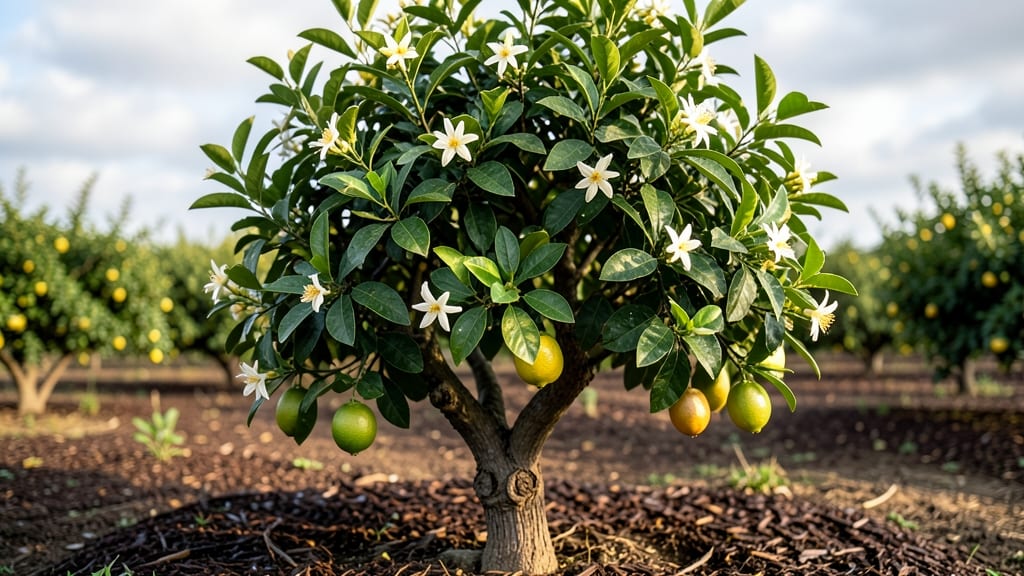
Transforming a lemon tree’s delicate white flowers 🍋 into sweet, juicy fruit is where the magic—and the science—happens, and getting it right means understanding the 6-12-month journey from bloom to harvest.
Did you know a single missed step in pollination or temperature can send your blossoms falling to the ground before they ever turn into fruit? I’ve watched hundreds of flowers bloom only to drop off, and it’s not just frustrating—it’s a missed opportunity for a bountiful harvest.
This guide breaks down the exact stages your lemon tree goes through, from the moment those fragrant blossoms open to the day you pluck ripe fruit straight off the branch.
We’ll cover the critical environmental factors—like sunlight and temperature—that make or break fruit set, plus the common mistakes that lead to fruit drop and how to fix them.
By the end, you’ll know exactly what to watch for each month, how to hand-pollinate for maximum success, and the hidden tricks that turn a pretty ornamental tree into a fruit-bearing powerhouse.
Lemon tree flower to fruit timeline: month-by-month growth stages
Watching your lemon tree transform from fragrant white blossoms to tangy lemons is one of gardening’s most rewarding cycles. Each stage—from pollination to fruit ripening—requires specific care to ensure a heavy harvest.
Understanding this 6-12 month timeline helps you anticipate needs, troubleshoot issues early, and maximize your tree’s potential. Let’s break down what happens month by month, so you never miss a critical step.
Your journey begins when your lemon tree bursts into spring blooms, typically between February and April in warm climates. These highly fragrant flowers are the foundation of your future harvest. Without proper pollination and environmental conditions, these blossoms may drop without setting fruit.
Pay close attention to temperature, humidity, and watering patterns—small adjustments now can mean the difference between a sparse harvest and a bountiful one.
| Stage | Month | Key Milestones | What to Watch For |
|---|---|---|---|
| Flowering | Feb-Apr | White blossoms appear; pollination begins | Hand-pollinate if needed; avoid temperature drops below 50°F |
| Fruit Set | Apr-May | Tiny green fruits form; blossom drop may occur | Monitor for pests like aphids; ensure consistent watering |
| Rapid Growth | Jun-Jul | Fruits grow quickly; thinning may be needed | Thin to 4-6 inches apart for larger lemons; check for fungal spots |
| Color Change | Aug-Sep | Fruits turn yellow; ripening begins | Protect from sunburn with shade cloth if needed |
| Harvest Ready | Oct-Nov | Fruits fully yellow; harvest time arrives | Pick when easily detached and slightly soft; enjoy fresh lemons! |
In the first 2-3 months, your lemon tree’s white blossoms will either thrive or fail based on pollination success. If you notice flowers dropping without setting fruit, check for temperature fluctuations or poor pollinator activity. Hand-pollination with a soft brush can help transfer pollen between flowers.
During this stage, maintain even moisture—drought stress causes blossom drop, while overwatering can lead to root rot. Aim for 1-2 inches of water per week, adjusting for your climate.
By Month 3-4, tiny green fruits should appear, but many gardeners panic when they see blossom drop—the natural process where up to 50% of flowers fail to set fruit. This isn’t always a problem; it’s your tree’s way of focusing energy on the strongest fruits.
However, if drop exceeds 70%, investigate nutrient deficiencies, pests, or environmental stress. A balanced citrus fertilizer with micronutrients can help. Prune any diseased branches immediately to prevent spread.
Between Months 5-7, your lemons enter their rapid growth phase, swelling from the size of a marble to a golf ball. This is when fruit thinning becomes critical. Overcrowded fruits compete for nutrients, resulting in small, underdeveloped lemons.
Use sterilized pruning shears to remove fruits, leaving only the healthiest ones spaced 4-6 inches apart. Thin in the morning to allow wounds to heal during the day. Watch for citrus leaf miners or scale insects, which thrive during this humid growth period.
As your lemons approach Months 8-9, they’ll begin their color transition from green to yellow. This is an exciting phase, but also a vulnerable one. Sunburn can scorch the skin, turning it brown and bitter.
If your tree is in a hot, dry climate, provide afternoon shade with a lightweight shade cloth. Reduce watering slightly to prevent split fruit, but keep the soil moist. Test the pH of your soil—lemon trees prefer
How to maximize fruit set: pollination tips and common mistakes
Lemon trees rely on pollination to transform those stunning white blossoms into sweet, tangy fruit—but nature doesn’t always cooperate. Many gardeners struggle with low fruit set, where flowers bloom but never develop into lemons.
The good news? With a few simple techniques, you can dramatically improve your tree’s success rate and enjoy a bountiful harvest.
First, understand that lemon trees are self-pollinating, but they need help when bees are scarce. Wind, temperature swings, or poor timing can all disrupt pollination. Even if your tree is healthy, these hidden factors might be sabotaging your fruit production.
Let’s break down the key strategies to maximize pollination and avoid common pitfalls.
Hand-Pollination vs. Natural Pollination
| Factor | Hand-Pollination | Natural Pollination |
|---|---|---|
| Effectiveness | 90% success rate | 50-70% (varies by bee activity) |
| Time Commitment | 5-10 mins/day during bloom | None |
| Best For | Indoor trees, low-bee areas, or poor weather | Outdoor trees in bee-friendly zones |
| Equipment Needed | Soft paintbrush or cotton swab | Bees, wind |
| Cost | $0-5 (household items) | Free |
🌱 Pro Tip:
For best results, hand-pollinate early in the morning when flowers are fully open and pollen is fresh.
To hand-pollinate, simply use a soft paintbrush or cotton swab to gently transfer pollen from one flower’s male stamens to another’s female stigma. Focus on healthy blossoms with fully opened petals—these are most receptive. Repeat this process every 2-3 days during peak bloom for optimal results.
Beyond manual help, environmental conditions play a huge role. Lemon trees thrive in warm, sunny weather (70-85°F) but struggle with temperature extremes. Cold snaps below 50°F or hotter than 90°F can cause blossom drop, where flowers fall off before pollination occurs.
Keep your tree in a protected location if you’re in a fluctuating climate.
Watch for common mistakes like over-fertilizing with high-nitrogen products, which encourage leafy growth at the expense of flowers. Instead, switch to a balanced citrus fertilizer (like 6-6-6) once blooms appear to support fruit development. Also, avoid overwatering—soggy roots stress the tree and reduce pollination success.
If your tree still isn’t setting fruit, check for pests like aphids or spider mites, which can weaken blossoms. A neem oil spray or hose blast can help keep these critters away.
With these pollination-boosting tips, your lemon tree will go from pretty flowers to plentiful fruit in no time! 🍋