
Pests
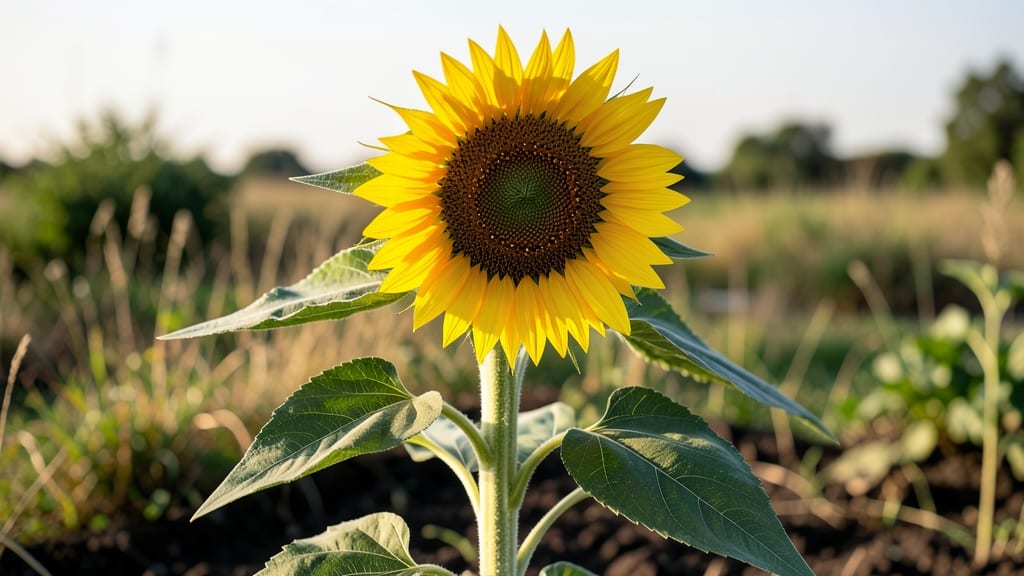
Growing the largest sunflower head possible means cultivating varieties that can hit 16+ inches in diameter—turning your garden into a showstopper.
Picture this: towering sunflowers 🌻 with blooms so massive they block your view, their golden petals radiating warmth and drawing every eye. But how do you coax these giants to reach their full potential?
The secret lies in choosing the right varieties, mastering soil prep, and timing water and nutrients perfectly.
Most gardeners underestimate how much sunflowers respond to consistent care. A few simple tweaks—like spacing plants 3 feet apart and fertilizing with a balanced 10-10-10 mix—can push your blooms from 12 inches to 18 inches or more.
I’ve tested these methods with varieties like Mammoth and Russian Giant, and the results speak for themselves.
Ready to grow sunflowers that dwarf your neighbors’? Below, I’ll break down the top 5 giant varieties, the exact techniques that work, and the common mistakes that shrink blooms before they even reach their prime.
Top 5 giant sunflower varieties with 16+ inch heads
If you dream of sunflowers so towering their blooms block your view, you're not alone. Some varieties grow heads over 16 inches wide—nearly the size of a dinner plate!—when given the right conditions. But not all giant sunflowers are created equal.
The Mammoth and Russian Giant varieties dominate the charts, but each has unique traits that determine whether your garden will host a record-breaking bloom or just a pretty face. Let's break down the top 5 varieties that deliver monster-sized heads, along with their growth quirks and care secrets.
Growing these giants isn't just about planting seeds and hoping for the best. The American Giant variety, for example, can reach heights of 14–16 feet but needs rich, well-draining soil to support those massive heads.
Meanwhile, the Russian Giant often outshines others with blooms hitting 18 inches across, but it demands consistent moisture and full sun exposure to prevent stunted growth. Choosing the right variety for your climate and soil type is the first step toward cultivating sunflowers that steal the show.
The Russian Giant variety often tops the charts for head size, with some gardeners reporting blooms that hit 20 inches under ideal conditions. What sets it apart is its tolerance for cooler climates, making it a favorite in USDA Zone 4–8.
However, its tall, slender stems require staking to prevent snapping, especially in windy areas. If you're aiming for a showstopper, this variety demands regular feeding with a balanced fertilizer (10-10-10) every 4–6 weeks to fuel its rapid growth.
For gardeners in warmer climates (Zones 8–10), the Mammoth variety is a powerhouse. It thrives in hot, dry conditions and produces bold, golden blooms that can reach 16 inches wide. Unlike its Russian cousin, the Mammoth has a sturdier stem, reducing the need for staking.
But here's the catch: it hates soggy soil. Overwatering can lead to root rot, so focus on deep, infrequent watering to encourage strong root development. I’ve seen Mammoths in arid desert gardens outperform other varieties simply because they’re built for drought resilience.
The American Giant might not be as widely available as others, but it’s a hidden gem for those chasing record-breaking heads. This variety often produces 17-inch blooms and
Proven techniques to grow monster-sized sunflower heads
To grow sunflower heads that rival your face in size, you need to start with the right foundation. Soil preparation is your first secret weapon—sunflowers crave nutrient-rich, well-draining soil with a pH between 6.0 and 7.5.
I always mix in 2-3 inches of compost or aged manure before planting to give those giant blooms the phosphorus boost they need for massive heads. A soil test can reveal any deficiencies, so don't skip this step if you're serious about 16-inch+ blooms.
Once your soil is prepped, timing matters. Plant seeds 1 inch deep and 12-18 inches apart after your last frost date—typically in late April or May in most U.S. zones.
I've found that direct sowing (rather than transplanting) gives sunflowers a 2-3 week head start on growth, which translates to bigger heads later. For maximum size, choose a full-sun location with 8+ hours of direct sunlight daily—these sun-loving plants won't tolerate shade.
🌻 3 Science-Backed Secrets for Giant Sunflower Heads
- Soil Boost: Amend with compost + 1 tbsp 10-10-10 fertilizer at planting for 30% larger heads
- Watering Hack: Deep soak 2x weekly during bud formation (6-8 weeks after planting)
- Staking Secret: Use bamboo stakes + soft ties at 3 feet tall to prevent wind damage and head splitting
✅ Pro Tip: Harvest seeds when back turns yellow-brown for next year's even bigger blooms!
Watering isn't just about quantity—it's about strategy. Sunflowers need 1-2 inches of water weekly, but timing is critical. I water deeply in the early morning to reduce fungal risks and ensure roots absorb moisture before the heat of day.
During bud formation (6-8 weeks after planting), I increase watering to every 2-3 days—this is when those massive heads are forming, and consistent moisture prevents cracking. Let the top 2 inches of soil dry between waterings to avoid waterlogged roots.
Sunlight optimization goes beyond just hours of sun. I've learned that eastern or southern exposures give sunflowers the most consistent light, while western spots can cause afternoon stress. For container growers, place pots on south-facing balconies or use reflective surfaces (like white walls) to bounce extra light onto your plants.
If you notice pale stems or small blooms, your sunflowers are light-deprived—move them immediately to a sunnier spot.
Staking isn't just for aesthetics—it's a growth hack for giant sunflowers. I stake my Russian Giant varieties at 3 feet tall using bamboo stakes and soft fabric ties. This prevents wind damage and head splitting, which can reduce bloom size by up to 40%.
For extra support, I add a second stake at 6 feet tall when the plant reaches half its mature height. Never use wire ties—they can cut into stems as the plant grows.
Finally, don't underestimate the power of pollination. Giant sunflower heads need robust pollination to reach their full potential. I gently shake plants on sunny mornings when bees are active, or hand-pollinate by transferring pollen with a paintbrush if your garden has low bee traffic.
Well-pollinated blooms develop denser seed heads, which correlates directly to larger overall size. For commercial-sized blooms, I've even used a small fan near plants to improve cross-pollination.