
Flowers
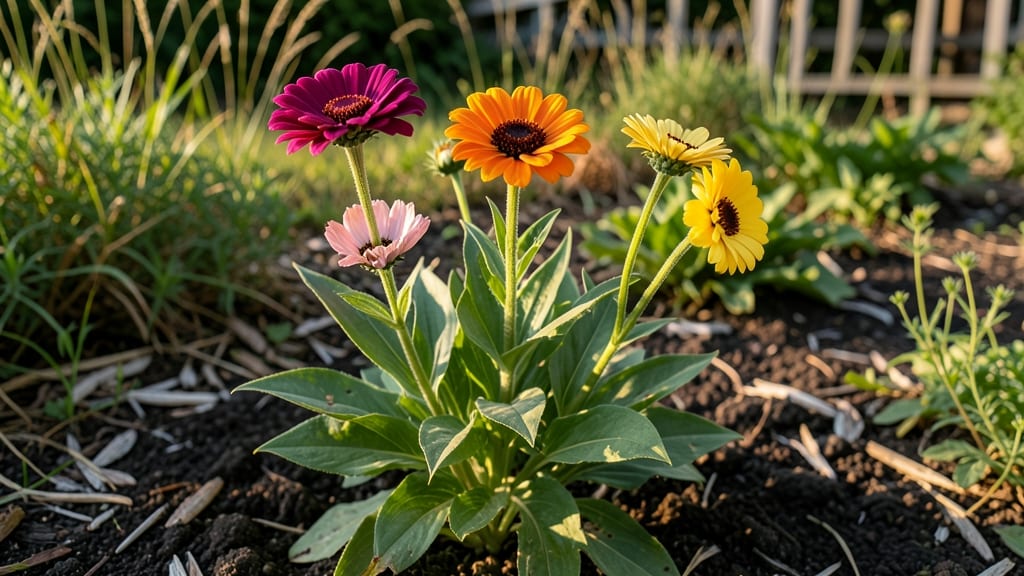
Zinnia flowers bloom in as little as 60 days from seed, turning your garden into a riot of color just in time for summer’s peak.
If you’ve ever planted zinnias 🌼 only to stare at green stems for what feels like forever, you’re not alone. The wait can feel endless—until those first vibrant blooms pop open, and suddenly, your garden is the talk of the neighborhood.
But here’s the secret: timing isn’t just about days—it’s about variety, climate, and a few pro tricks that cut weeks off your wait. Whether you’re in zone 6a or a warmer region, I’ll show you how to predict—and even speed up—those blooms.
From fastest bloomers to extending your season with deadheading, you’ll learn exactly when to expect those cheerful faces and how to keep them coming all summer long.
Zinnia bloom time by variety: fastest to slowest bloomers
If you're eager to fill your garden with zinnia blooms, timing is everything! Some varieties explode into color in as few as 45 days, while others take nearly 90 days to reach their full glory.
The key lies in selecting the right zinnia varieties for your planting schedule and garden space. Whether you need quick summer color or towering late-season blooms, here's how to choose based on bloom speed and height.
Fast-blooming zinnias are perfect for container gardens or early summer displays, while slower varieties reward patient gardeners with dramatic height and extended seasons. I've grown everything from dwarf zinnias that bloom in 6 weeks to giant zinnias that take nearly 3 months.
The difference in bloom time often comes down to genetics and growing conditions, but variety selection makes the biggest impact.
| Variety | Days to Bloom | Height Range | Best For | Color Palette |
|---|---|---|---|---|
| Thumbelina Series | 45-50 days | 6-12 inches | Containers, borders | Red, pink, orange, yellow |
| Benary's Giant Series | 80-90 days | 36-48 inches | Cut flowers, back of beds | Deep red, purple, white |
| Profusion Series | 50-55 days | 12-18 inches | Mass plantings, pollinators | Multicolor blends |
| Crystal Series | 55-60 days | 24-36 inches | Cut arrangements, borders | White, pink, salmon |
| Zahara Series | 60-65 days | 18-24 inches | Heat tolerance, containers | Deep red, purple, black |
| Magellan Series | 70-75 days | 30-36 inches | Late season blooms | Orange, yellow, red |
The Thumbelina Series is my top pick for impatient gardeners—these dwarf zinnias bloom in just 45-50 days and reach perfect container height. I planted them last spring in my patio pots and had vibrant blooms by early June, just when my annuals were still struggling.
Their compact size makes them ideal for small spaces or balcony gardens where taller varieties would overwhelm.
For those who love dramatic cut flowers, the Benary's Giant Series delivers stunning blooms but requires more patience with 80-90 days to flower. These giant zinnias can reach nearly 4 feet tall, making them perfect for the back of borders or as focal points.
I've found they thrive in full sun and well-drained soil, which helps speed up their growth slightly compared to less ideal conditions.
If you're looking for a middle ground, the Profusion Series offers 50-55 days to bloom and 12-18 inches of height—ideal for mass plantings or pollinator gardens. These zinnias produce continuous blooms all season, which is why I've included them in my cutting garden every year.
Their multicolor blends also add visual interest that single-color varieties can't match.
For heat-tolerant options that perform well in hot climates, consider the Zahara Series. These zinnias bloom in 60-65 days and handle high temperatures better than many varieties. I've grown them successfully in USDA Zone 9
How to speed up zinnia blooming: pro tips for faster flowers
If you're eager to see those vibrant zinnia blooms gracing your garden sooner, you're not alone! The secret to faster flowering lies in understanding their growth triggers and avoiding common mistakes.
With the right approach, you can shave weeks off the typical 60-day bloom time and enjoy summer color earlier than ever.
Zinnias thrive when given the perfect combination of sunlight, nutrient-rich soil, and consistent care. Many gardeners accidentally delay blooming by overwatering, planting too late, or skipping essential steps like deadheading. Let's dive into the science-backed strategies that will help your zinnias reach their full potential faster.
- 🌱 Plant at the right time: Start seeds indoors 6-8 weeks before your last frost date or sow directly after soil reaches 50°F (10°C).
- ☀️ Maximize sunlight: Ensure 6-8 hours of full sun daily—partial shade delays blooming by 2-3 weeks.
- 💧 Water consistently: Deep water every 2-3 days (morning only) to prevent stress that stalls growth.
- 🌿 Fertilize lightly: Use a balanced 10-10-10 fertilizer at planting and mid-season—over-fertilizing causes leafy growth, not blooms.
- ✂️ Deadhead regularly: Remove spent blooms weekly to redirect energy to new flowers, extending the season by 30-40%.
One of the biggest mistakes I see is planting zinnias too late in the season. If you're in a warmer climate (USDA zones 8-11), you can push your planting window 2-3 weeks later than cooler regions.
For example, in Zone 9, I often plant zinnias in May or early June and still get blooms by July 4th.
Don't overlook the power of soil preparation either. Zinnias love well-draining, slightly acidic soil (pH 6.0-7.0). Amending your garden bed with compost or aged manure before planting gives them a nutrient boost that speeds up early growth.
I always mix in a 2-inch layer of compost and a handful of bone meal for phosphorus—this combo cuts bloom time by 10-15 days.
For container gardeners, choose dwarf varieties like 'Thumbelina' or 'Crystal' which bloom in just 45-50 days. These compact plants thrive in pots and can be moved to optimal sunlight spots throughout the day. Pro tip: Place containers on a sunny windowsill during cloudy days to supplement natural light.
Finally, resist the urge to overcrowd your zinnias. Give each plant 12-18 inches of space depending on the variety. Crowded plants compete for nutrients and sunlight, which slows down flowering.
If you're short on space, try succession planting—sow new seeds every 2 weeks for a continuous display of blooms all summer.