
Blooming
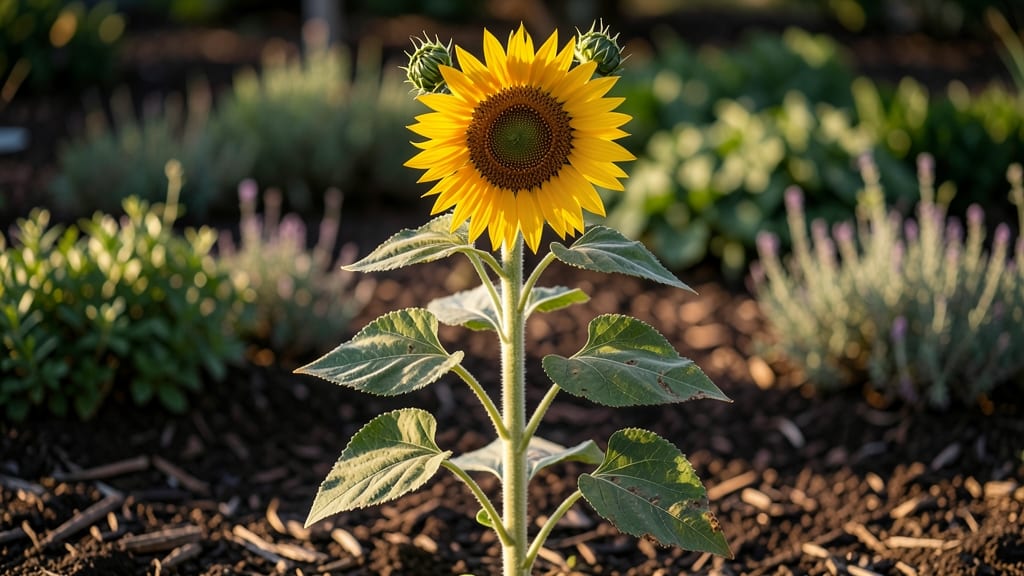
Sunflowers start to bloom between 50 and 120 days after planting, depending on the variety and growing conditions — but timing it right means the difference between a garden full of golden faces and a missed show.
Picture this: you’ve spent weeks watching those 🌻 seedlings grow, only to blink and realize the blooms are already fading. That’s the frustration of guessing bloom times instead of knowing them. The good news? With the right variety and a little climate awareness, you can predict—and even adjust—their schedule.
In Zone 6a, where spring planting kicks off in April, most sunflowers begin flowering in late June or July. But dwarf varieties might pop up in as few as 50 days, while giants like Mammoth can take nearly four months.
The secret? Matching your seeds to your season—and knowing when to tweak the timing.
Below, I’ll break down exactly when to expect blooms by variety, how climate zones shift those dates, and the simple tricks to hurry or delay flowering without chemicals. No more surprises—just sunflowers on cue.
Sunflower bloom times by variety: fastest to slowest flowering types
If you’ve ever wondered when do sunflowers start to bloom, the answer depends entirely on the variety you’re growing. Some sunflowers burst into golden glory in as little as 50 days, while others take nearly 120 days to reach their peak.
Choosing the right type for your timeline—whether you want early summer color or late-season blooms—can make all the difference in your garden’s performance.
Fast-blooming varieties are perfect for short-season gardens or impatient gardeners, while slower types reward you with towering stems and massive flowers for late-summer displays. Let’s break down the bloom windows of popular sunflower varieties, ranked from fastest to slowest, so you can plan your garden like a pro.
| Variety | Days to Bloom | Height | Best For |
|---|---|---|---|
| Teddy Bear | 50–55 days | 1–3 ft | Containers, cut flowers, early blooms |
| Moulin Rouge | 55–60 days | 3–4 ft | Dwarf varieties, pollinator gardens |
| Autumn Beauty | 60–65 days | 4–5 ft | Color-changing blooms, mid-season displays |
| Sunspot | 60–70 days | 2–3 ft | Cut flowers, short-season gardens |
| Russian Giant | 80–90 days | 10–14 ft | Tall stems, late-season blooms |
| Mammoth | 90–100 days | 12–16 ft | Dramatic height, fall interest |
| ProCut | 70–80 days | 5–6 ft | Long-lasting cut flowers |
| Galaxy | 75–85 days | 4–5 ft | Unique bicolor blooms |
The Teddy Bear variety is the undisputed champion for speed, with blooms appearing in just 50–55 days. This makes it ideal for container gardens or if you’re aiming for early summer color.
If you love dwarf sunflowers, Moulin Rouge and Autumn Beauty also deliver quickly, perfect for pollinator-friendly borders or cut flower arrangements.
For those who prefer taller varieties, the trade-off is time. Russian Giant and Mammoth sunflowers take 80–100 days to bloom but reward you with 10–16-foot stems that dominate the garden.
If you’re growing sunflowers for cut flowers, ProCut strikes a balance with 70–80 days to maturity while producing long-lasting blooms.
Pro tip: If you’re in a short-season climate, opt for early varieties like Sunspot or Teddy Bear to ensure you get blooms before frost. For longer growing seasons, mix fast and slow varieties to enjoy sunflowers from early summer through fall.
The key is to plant successive crops every 2–3 weeks for continuous blooms.
Don’t forget that soil temperature and daylight hours also play a role. In cooler climates, sunflowers may take 5–10 extra days to bloom compared to warmer regions.
If you’re experimenting with unusual varieties, like the Galaxy series with its stunning bicolor blooms, check the seed packet for exact days to maturity—it’s your best guide to timing.
Whether you’re a beginner gardener or a seasoned pro, knowing your sunflower’s bloom timeline helps you plan for support stakes, companion plants, and even bird feeding (those seeds attract finches!).
With the right variety, you’ll have sunflowers gracing your garden from July through October, turning heads and brightening up every season.
🌻
How climate Zones affect sunflower bloom timing: USDA Zone guide
Sunflowers thrive on warmth and long daylight hours, but their bloom timing shifts dramatically across USDA climate zones. In Zone 3, you might see flowers by mid-July, while gardeners in Zone 11 can enjoy blooms year-round with proper care.
The key factors? Frost dates, daylight length, and heat tolerance all dictate when those golden faces appear.
Northern gardeners in Zones 3-5 face shorter growing seasons, so early-maturing varieties like 'Autumn Beauty' are essential. Meanwhile, Zones 6-11 enjoy extended bloom windows, with some varieties flowering continuously if deadheaded regularly. Let’s break down exactly how your zone impacts bloom timing—and how to adjust for the best results.
| USDA Zone | Avg. First Frost | Bloom Window | Key Factors | Pro Tip |
|---|---|---|---|---|
| 3-5 | Mid-May to early Oct | Late July–Sept | Short season; frost risk | Start seeds indoors 4-6 weeks early |
| 6-7 | Late Sept–early Nov | June–Oct | Moderate heat; 14+ hours daylight | Plant dwarf varieties for container growing |
| 8-9 | Dec–Feb | May–Nov | Long growing season; heat tolerance matters | Succession plant every 2 weeks for continuous blooms |
| 10-11 | None (tropical) | Year-round (with care) | No frost; humidity can delay blooms | Use shade cloth in peak summer to prevent bolting |
In Zones 3-5, where frost looms large, I recommend planting heat-tolerant varieties like 'ProCut Hybrid' and using row covers to extend the season. These zones often see blooms delayed until late July or even August if spring is cool.
Meanwhile, gardeners in Zones 8-11 can push blooms earlier by starting seeds in late winter—just be mindful of daylight sensitivity.
Southern gardeners in Zones 10-11 face a different challenge: heat stress can stall flowering. If your sunflowers bolt too quickly (sending up tall stems without blooming), try planting in partial shade during peak summer months.
For Zones 6-9, where seasons are moderate, focus on succession planting—sow new seeds every 2-3 weeks to enjoy blooms from June through October.
One of my favorite tricks for northern climates is to use black plastic mulch to warm the soil early. This can shave 2-3 weeks off bloom time by creating a microclimate. In hotter zones, prioritize drought-resistant varieties like 'Little Becka' to avoid wilting before they flower.
With the right adjustments, you can enjoy sunflowers blooming right on schedule—no matter where you garden.
🌻