
Flowers
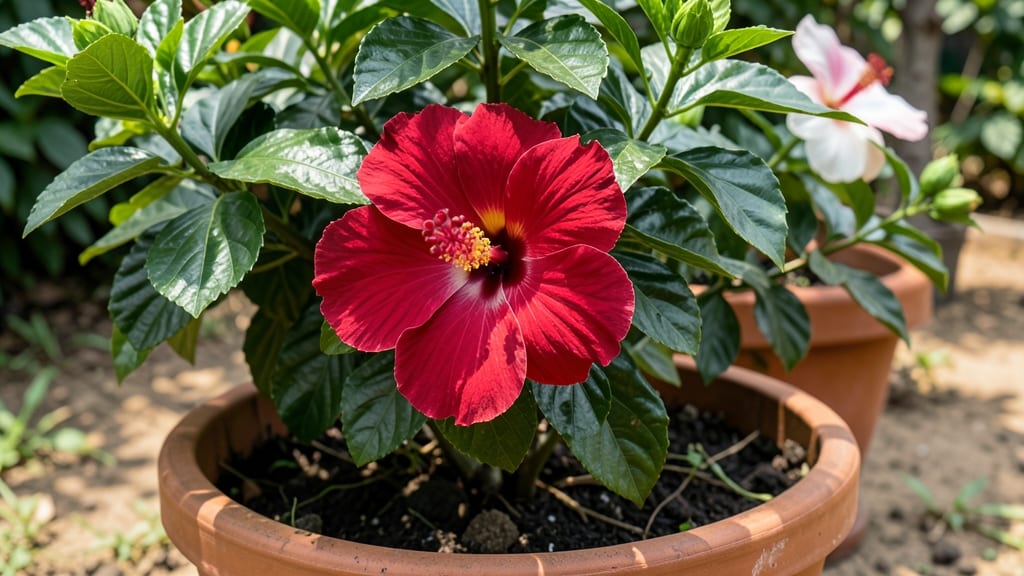
Growing the largest hibiscus flower 🌸 you’ve ever seen isn’t just possible—it’s easier than you think, and the results will leave your neighbors green with envy.
Imagine hibiscus blooms so massive they dwarf your hand—these aren’t just flowers, they’re garden centerpieces that command attention. The largest hibiscus varieties can reach 12 inches in diameter, turning ordinary landscapes into tropical paradises with minimal effort.
But here’s the catch: not all hibiscus thrive under the same conditions. Some need full sun and well-draining soil, while others prefer a little shade and consistent moisture. The right variety, paired with the right care, is the secret to those jaw-dropping blooms.
In this guide, I’ll walk you through the top hibiscus varieties for giant flowers, the exact care routine that maximizes size, and how to troubleshoot common issues before they derail your dream garden. Let’s get started.
Top 5 largest hibiscus varieties for stunning giant blooms
If you dream of hibiscus blooms so large they steal the show, you’re in the right place. Some varieties produce flowers reaching up to 12 inches across, transforming your garden into a tropical masterpiece.
The key lies in selecting the right species—each brings unique growth habits, climate needs, and bloom sizes that can redefine your landscape. Let’s explore the top 5 largest hibiscus varieties that will make your neighbors green with envy.
Not all hibiscus are created equal. Tropical varieties like Hibiscus rosa-sinensis thrive in warm climates, while hardy types like Hibiscus moscheutos can handle colder zones. The bloom size alone isn’t the only factor—consider mature height, water needs, and sunlight tolerance to ensure your giant hibiscus thrives.
For example, Hibiscus syriacus 'Diana' boasts 8-inch blooms but is far more drought-tolerant than its tropical cousins.
Here’s how these giants compare: From the showstopping 12-inch blooms of Hibiscus rosa-sinensis 'Giant White' to the bold, rust-colored flowers of Hibiscus moscheutos 'Disco Belle,' each variety offers something spectacular. Below, we break down the bloom size, growth habits, and ideal climates so you can pick the perfect giant for your garden.
| Variety | Bloom Size | Mature Height | USDA Zones | Sunlight Needs | Water Needs |
|---|---|---|---|---|---|
| Hibiscus rosa-sinensis 'Giant White' | 10–12 inches | 6–10 feet | 9–11 | Full sun (6+ hrs) | High (daily) |
| Hibiscus moscheutos 'Disco Belle' | 8–10 inches | 4–6 feet | 5–9 | Full sun to part shade | Medium (weekly) |
| Hibiscus syriacus 'Diana' | 6–8 inches | 8–12 feet | 4–8 | Full sun (6+ hrs) | Low (drought-tolerant) |
| Hibiscus rosa-sinensis 'Lady Stanley' | 9–11 inches | 6–8 feet | 10–11 | Full sun (6+ hrs) | High (daily) |
| Hibiscus moscheutos 'Lavender Chiffon' | 7–9 inches | 5–7 feet | 5–9 | Full sun to part shade | Medium (weekly) |
The Giant White hibiscus (Hibiscus rosa-sinensis) is a tropical showstopper with snow-white blooms that can reach 12 inches in diameter. Perfect for USDA zones 9–11, this variety demands full sun and consistent watering to keep its massive flowers unfurling.
If you live in a warmer climate, this is your dream hibiscus—just be prepared for its rapid growth (up to 10 feet tall).
For cooler climates, hardy hibiscus like Hibiscus moscheutos 'Disco Belle' are game-changers. These rust-colored blooms (7–9 inches) thrive in zones 5–9 and tolerate part shade, making them ideal for northern gardens. Their shrub-like growth (4–6 feet) also adds year-round structure, even when not in bloom.
Hibiscus syriacus 'Diana' is the ultimate low-maintenance giant. With lavender-pink blooms and drought tolerance, it’s perfect for zones 4–8. While its 8-inch flowers are slightly smaller, its tall stature (8–12 feet) makes it a privacy-friendly choice. Plus, it blooms prolifically with minimal care—ideal for busy gardeners.
If you’re chasing maximum drama, Hibiscus rosa-sinensis 'Lady Stanley' delivers with deep pink, 11-inch blooms. This tropical hybrid loves heat and humidity, thriving in zones 10–11. Pair it with brightly colored annuals to create a vibrant, high-impact display that lasts all summer.
Lastly, Hibiscus moscheutos 'Lavender Chiffon' brings soft purple blooms and a romantic charm to gardens in zones 5–9. Its 7–9 inch flowers and fragrant foliage make it a standout in cottage gardens.
Unlike tropical hibiscus, this variety performs well in containers, letting you move it to protect from frost when needed.
Ready to plant a giant? Start by checking your USDA zone and sunlight conditions. Tropical varieties need heat and full
How to grow and care for giant hibiscus flowers
Giant hibiscus flowers aren't just beautiful—they're conversation starters that transform any garden into a tropical retreat. To coax those 12-inch blooms from your hibiscus, you'll need to focus on a few key conditions.
First, these tropical divas demand 6+ hours of direct sunlight daily—think south-facing spots or full sun exposure. Without enough light, your blooms will stay small and sparse, no matter how much you water or fertilize.
The right soil pH (6.0–7.0) is equally critical. Hibiscus roots thrive in slightly acidic to neutral soil that drains well. If your soil is heavy clay or too alkaline, amend it with compost and organic matter to create the perfect growing medium.
I’ve found that adding a handful of peat moss or coconut coir works wonders for improving both drainage and moisture retention.
Step-by-Step Guide to Giant Hibiscus Care
- 1 Select the Right Location: Choose a spot with full sun exposure (6+ hours daily). Morning sun is ideal to prevent afternoon wilting in hot climates.
- 2 Prepare the Soil: Test soil pH and amend to 6.0–7.0 using compost, peat moss, or sulfur. Mix in well-draining amendments like perlite for heavy soils.
- 3 Water Deeply and Consistently: Water at the base of the plant in the morning to avoid fungal issues. Aim for 1–2 inches of water weekly, adjusting for rain or heat.
- 4 Fertilize Strategically: Use a balanced 10-10-10 fertilizer every 4–6 weeks during the growing season. Avoid high-nitrogen fertilizers, which promote leafy growth over blooms.
- 5 Prune for Health and Size: Prune in late winter or early spring to remove dead wood and shape the plant. Cut back 1/3 of the oldest stems to encourage new growth and larger blooms.
- 6 Protect in Winter: Tropical varieties need mulch or frost cloth in zones below 9. Hardy hibiscus (like Hibiscus moscheutos) tolerate 20°F but benefit from winter mulch.
Pruning is where many gardeners go wrong. If you want giant hibiscus blooms, avoid heavy pruning in summer—this stresses the plant and reduces flower size. Instead, focus on light pruning after blooms fade to encourage new growth.
For tropical varieties, I recommend pruning just enough to maintain shape, while hardy hibiscus can handle a bit more aggressive trimming in early spring.
Watering is another common pitfall. Giant hibiscus plants need consistent moisture, but soggy soil leads to root rot. I’ve learned to water deeply in the morning and let the top inch of soil dry out between waterings.
During summer heatwaves, you may need to water every other day, but always check the soil first—stick your finger in to test moisture levels.
Finally, don’t forget about winter care. Tropical hibiscus varieties (like Hibiscus rosa-sinensis) need protection from frost, while hardy types (like Hibiscus moscheutos) can survive colder climates.
For tropical plants, move them indoors or cover them with burlap or frost cloth. Mulch around the base to insulate roots and retain warmth.
With these steps, you’ll be well on your way to growing hibiscus blooms that dwarf your hand and steal the show in your garden. The key is patience—giant hibiscus flowers often take a full growing season to reach their maximum size, but the reward is worth every effort! 🌸