
Diseases
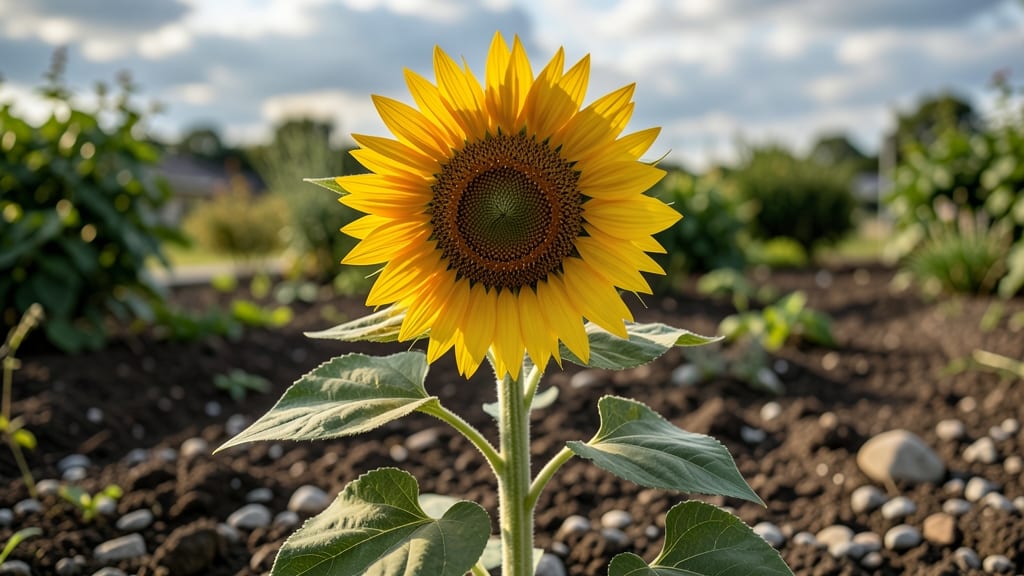
Sunflowers with unusually large leaves might seem like a good thing—until those broad 🌻 canvases start yellowing or spotting, signaling trouble before the blooms even appear.
If your sunflowers are sporting leaves that look more like dinner plates than foliage, your plants could be crying out for help. Yellowing or spotted large sunflower leaves often point to nutrient deficiencies, fungal infections, or environmental stress that can derail your garden’s star attraction.
Don’t panic—this isn’t always a death sentence. The right adjustments to sunlight, soil, and water can revive your sunflowers before the problem spreads. Below, I’ll walk you through the most common causes and three quick fixes to bring those leaves back to vibrant health.
Whether your sunflowers are struggling from too much water, a lack of magnesium, or an unwelcome fungal guest, these solutions will help you diagnose the issue and get your plants back on track for those show-stopping blooms.
Why your sunflower leaves are turning yellow or spotted
When your sunflowers develop large leaves that turn yellow or develop dark spots, it’s rarely just a natural quirk—it’s your plant’s way of signaling distress. These symptoms often appear before the flower buds even form, making early diagnosis critical.
The most common culprits include nutrient deficiencies, fungal infections, and environmental stress, each leaving distinct clues on your sunflower’s foliage.
First, let’s address the nutrient deficiencies that frequently cause yellowing. A lack of nitrogen often results in pale, yellow leaves starting from the bottom, while magnesium deficiency (common in alkaline soils) creates yellow patches between leaf veins.
These deficiencies weaken the plant’s ability to produce chlorophyll, leading to those telltale discolorations before the plant can even focus on flowering.
Fungal diseases like powdery mildew and leaf spot are another major cause of spotted or yellowing sunflower leaves. Powdery mildew appears as white, powdery patches on upper leaf surfaces, while leaf spot shows up as brown or black spots with yellow halos. Both thrive in humid conditions and can spread rapidly if left unchecked, turning your sunflowers into a fungal buffet.
| Issue | Symptoms | Root Cause | Solution |
|---|---|---|---|
| Nitrogen Deficiency | Yellowing leaves (bottom-up) | Poor soil, overwatering | Apply balanced fertilizer (10-10-10) |
| Magnesium Deficiency | Yellow patches between veins | Alkaline soil, poor drainage | Add Epsom salt (1 tbsp/gallon) |
| Powdery Mildew | White powdery coating | High humidity, poor airflow | Spray neem oil solution |
| Leaf Spot | Brown/black spots with yellow halos | Overwatering, fungal spores | Remove infected leaves, improve spacing |
| Overwatering | Yellowing, wilting, spots | Poor drainage, soggy soil | Adjust to weekly deep watering |
Don’t overlook bacterial infections, which often appear as water-soaked spots that turn yellow or brown. These spots may ooze a bacterial slime when wet, and they can spread quickly in warm, moist conditions.
If you notice these symptoms, act fast—bacterial infections can be harder to treat than fungal ones and often require removing infected plants to prevent spread.
Environmental stressors like overwatering or poor drainage can also cause yellowing or spotted leaves. Sunflowers prefer well-draining soil and hate soggy roots. If your garden soil is heavy clay or you’ve been watering on a schedule without checking moisture levels, your sunflowers may be struggling to absorb nutrients, leading to those unsightly symptoms.
Extreme heat stress can also trigger yellowing, especially in large sunflower leaves that haven’t yet hardened off. When temperatures soar above 90°F (32°C), sunflowers may develop scorched edges or bleached patches as a protective response.
Providing afternoon shade with lightweight shade cloth can help mitigate this issue during peak summer months.
Finally, consider whether your sunflowers are simply nutrient-hungry due to rapid growth. Large leaves require more energy and resources than smaller ones, and if your soil lacks essential nutrients, the plant will prioritize leaf production over flowering.
Conduct a soil test to check pH and nutrient levels—sunflowers thrive in slightly acidic to neutral soil (pH 6.0-7.0) with plenty of organic matter.
By identifying these root causes early, you can save your sunflowers from decline and ensure they grow into those showstopping giants you planted them to be. The key is to act before the symptoms spread—your sunflowers will thank you with vibrant blooms and healthy foliage all season long. 🌻
3 Immediate fixes to revive large sunflower leaves
When your sunflower leaves grow unusually large but show signs of distress like yellowing or spots, it’s time to act fast. These symptoms often mean your plants are struggling with water stress, nutrient imbalances, or disease pressure.
The good news? You can often revive them with quick, targeted fixes. Start by addressing the most urgent issues first—like watering habits and drainage problems—before moving to nutrient boosts and disease control.
I’ve seen large sunflower leaves turn into a gardener’s nightmare when ignored, but with the right approach, you can bring them back to health in just a few days. The key is to act methodically, starting with the most critical fixes.
Let’s dive into the top three immediate actions to save your sunflowers before the damage spreads to the flower buds.
First on your list should be adjusting watering practices. Overwatering is a common culprit behind those large sunflower leaves turning yellow or mushy. Sunflowers need deep but infrequent watering—about 1-2 inches per week. Stick your finger 2 inches into the soil; if it’s damp, hold off on watering.
For containers, ensure pots have drainage holes and avoid letting plants sit in saucers of water. Mulching around the base with straw or wood chips helps retain moisture while preventing soil compaction.
Next, address nutrient deficiencies with targeted treatments. If your sunflower leaves are large but pale or yellowing, they’re likely lacking nitrogen. Apply a balanced organic fertilizer like fish emulsion or a synthetic 10-10-10 mix every 4-6 weeks.
For yellowing between veins, magnesium deficiency is often the issue—sprinkle Epsom salt (1 tbsp per gallon of water) around the base and water it in. For organic gardeners, compost tea is a great all-around nutrient booster.
If you spot dark spots or powdery residue on those large sunflower leaves, fungal diseases like powdery mildew or leaf spot could be the culprit.
Start with a homemade baking soda spray: mix 1 tablespoon of baking soda, 1 tablespoon of vegetable oil, and a drop of dish soap in 1 quart of water. Spray the undersides of leaves every 7-10 days until symptoms improve.
For bacterial infections, a copper fungicide may be necessary, but always follow label instructions carefully.
Don’t forget to prune affected leaves to improve airflow and reduce disease spread. Remove any leaves with severe spots or yellowing using clean, sharp pruners. This helps the plant focus its energy on producing healthy flower buds and new growth.
Pair this with a neem oil spray (1 tsp neem oil + 1 quart water) to deter pests and further protect your sunflowers.
With these three immediate fixes, your large sunflower leaves should start showing signs of recovery within a week. Monitor your plants closely, and adjust your approach based on their response. Healthy foliage means happier blooms—and who doesn’t love a thriving sunflower patch? 🌻