
Size
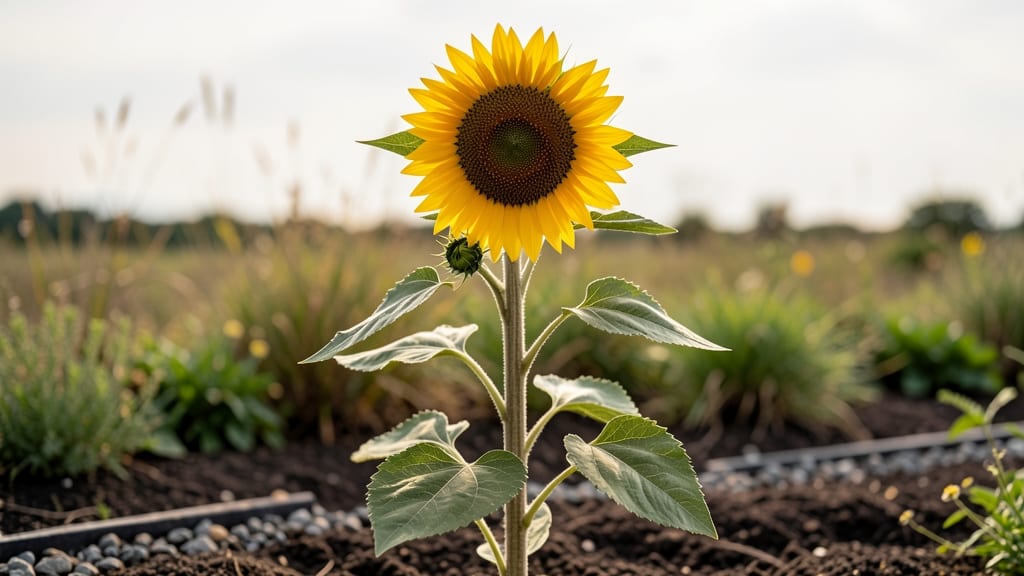
Sunflower plants get as tall as 16 feet—or as short as 12 inches—depending on the variety and growing conditions, turning your garden into a vertical masterpiece or a compact display.
Imagine planting a seed in spring and watching it stretch toward the sky like a natural skyscraper, only to realize it’s a dwarf variety that barely reaches your waist.
The difference between a towering giant and a petite patio sunflower comes down to genetics, soil depth, and a little extra care.
Whether you’re planning a cut-flower garden, a bird-feeder haven, or a space-saving balcony display, knowing your sunflower’s potential height helps you choose the right variety and spacing.
Below, we break down the exact heights by type, the stages of growth, and how to coax your plants toward their full potential—or keep them in check.
You’ll also discover how sunlight, water, and even pruning can influence final size, plus practical tips for staking and spacing to avoid crowded, floppy stems. Ready to predict—and control—your sunflower’s future stature?


Sunflower heights by variety: from dwarf to giant (with exact measurements)
Sunflowers aren’t just one-size-fits-all plants—they range from compact patio dwarfs to towering giants that rival your roof. The variety you choose determines not just height but also garden layout, support needs, and even bird-feeding potential.
Whether you’re cramped in a container garden or dreaming of a sunflower skyline, knowing exact measurements helps you plan like a pro.
Height isn’t random—it’s tied to genetics, sunlight, and soil depth. A Russian Giant might stretch 12–16 feet with perfect conditions, while a Teddy Bear stays cozy at 2–4 feet.
Below, we break down the spectrum so you can pick the perfect fit for your space, whether you need cut flowers, birdseed, or just shade for your patio.
| Variety | Height Range | Best For | Sun Needs | Spacing |
|---|---|---|---|---|
| Teddy Bear (Dwarf) | 12–36 inches | Containers, borders, cut flowers | Full sun (6+ hrs) | 6–12 inches apart |
| Moulin Rouge | 36–48 inches | Cut flowers, bird feed | Full sun | 12–18 inches apart |
| Autumn Beauty | 4–6 feet | Cut stems, pollinators | Full sun | 18–24 inches apart |
| Russian Giant | 10–14 feet | Statement plants, seed production | Full sun | 3–4 feet apart |
| Mammoth | 12–16 feet | Tallest varieties, seed saving | Full sun | 4–5 feet apart |
| Sunspot (Dwarf) | 24–36 inches | Containers, urban gardens | Full sun | 6–12 inches apart |
| ProCut (Hybrid) | 5–7 feet | Cut flowers, bouquets | Full sun | 18–24 inches apart |
Dwarf varieties like Teddy Bear or Sunspot are perfect for small spaces or container gardening. Their compact stature (12–36 inches) makes them ideal for balconies, patios, or window boxes, where taller varieties would overwhelm.
These sunflowers also bolt quickly, meaning they flower faster—great if you’re short on growing time.
Medium-height varieties such as Autumn Beauty or ProCut strike a balance, reaching 4–7 feet. They’re versatile for cut flower arrangements or backyard pollinator gardens. Their height is manageable for most gardeners, but they still need sturdy stems to support their heavy flower heads, especially in windy areas.
For the dramatic effect, nothing beats Russian Giants or Mammoth varieties, which can dwarf humans at 10–16 feet. These are the showstoppers of the garden, but they require deep, fertile soil and plenty of space.
Plant them near fences or trellises to prevent them from toppling in storms. Their massive seed heads also attract birds and squirrels, making them a feeder’s paradise.
Heirloom varieties often outperform hybrids in height and seed production. For example, the Russian Giant isn’t just tall—it’s
How sunflower height develops: growth stages and what affects final size
Sunflowers grow through distinct stages, each influencing their final height. From a tiny seedling to a towering mature plant, their growth is a fascinating mix of genetics and environmental factors. Understanding these stages helps you predict—and even influence—how tall your sunflowers will become.
The journey starts with germination and ends with seed maturity, often spanning just 70–120 days depending on the variety.
The first 30 days are critical for root development. Sunflowers establish deep taproots that anchor them and access nutrients from deep soil layers. Shallow soil or compacted earth can stunt this growth, limiting height potential.
Meanwhile, the stem elongates rapidly once the plant receives 6+ hours of sunlight daily, a key factor in determining whether your sunflowers will reach dwarf (1–3 ft) or giant (10–14 ft) proportions.
- 🌱 Seedling Stage (0–14 days): 1–3 inches tall; focus on moisture and warmth (60–70°F).
- 🌿 Vegetative Growth (14–45 days): Rapid stem elongation; soil depth and nutrients drive height. Stunted growth here = future height loss.
- ☀️ Flowering (45–70 days): Bud formation signals peak sunlight needs (8+ hours). Tall varieties bolt faster if stressed.
- 🌻 Maturity (70–120 days): Final height determined; water stress or overcrowding can reduce height by 20–30%.
Sunlight exposure is the #1 height determinant. Sunflowers grown in partial shade may only reach 50–70% of their potential height. For example, a ‘Mammoth’ variety (12–16 ft) in full sun will dwarf the same plant in a north-facing garden (6–10 ft). Even 1–2 hours less sunlight daily can trigger bolting—where the plant shoots upward prematurely but remains weak and stunted.
Watering habits also play a surprising role. Deep, infrequent watering (1–2 times per week) encourages strong root systems, while shallow, frequent watering promotes leggy, weak stems. Overwatering in late growth stages can cause splitting stems or early flowering, both of which limit height. Aim for 1–1.5 inches of water weekly, delivered at the soil base to avoid wetting foliage.
Pruning techniques can boost or reduce height depending on your goals. Pinching back the main stem early encourages bushier growth (ideal for dwarf varieties), while removing side shoots on tall types (like ‘Russian Giant’) directs energy upward.
However, pruning after flowering is counterproductive—it stresses the plant and halts height development. Time your cuts before bud formation for best results.
Finally, soil quality sets the foundation. Sunflowers thrive in loamy, well-draining soil with a pH of 6.0–7.5. Poor soil? Amend with compost or aged manure before planting. Nutrient deficiencies (like nitrogen or phosphorus) can stunt growth, while excess fertilizer may lead to luxuriant foliage but weak stems.
Balance is key—feed lightly (1 tbsp 10-10-10 fertilizer per plant) at planting and again when stems reach 12 inches.