
Flowers
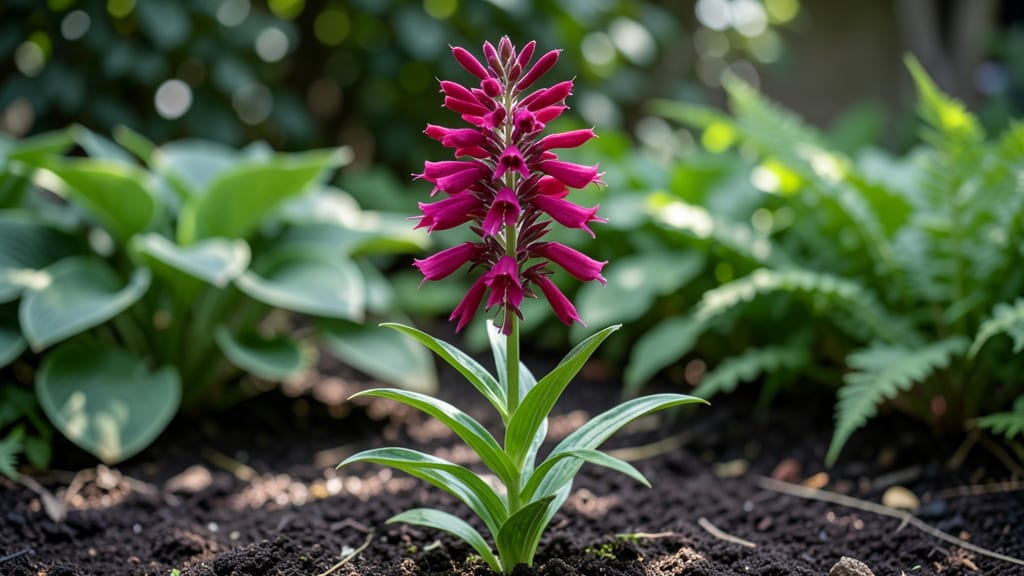
The cardinal flower 🌸 grows between 3 and 5 feet tall at maturity, towering like a natural firework display in your garden—but its exact height depends on variety, care, and where you live.
If you’re dreaming of adding vibrant red blooms to your garden but wondering how much space to dedicate, cardinal flower height can make or break your planting plan—some varieties stretch taller than a basketball player!
Whether you’re designing a border or a moisture-loving woodland edge, knowing these heights helps you avoid overcrowding or underutilized space.
Most gardeners assume cardinal flowers are one-size-fits-all, but 'Queen Victoria' stays shorter (around 2 to 3 feet), while 'Fireworks' can reach 5 feet or more. The right placement—partial shade and consistently moist soil—keeps them thriving, while full sun or dry conditions can stunt their growth.
In this guide, I’ll break down the exact heights by variety, share secrets to encourage (or control) growth, and show you how to use cardinal flowers as a garden focal point without them flopping over. Ready to plan your perfect planting?


Exact cardinal flower height by variety: from compact to towering
If you're planning a garden with cardinal flowers (Lobelia cardinalis), knowing their mature height is key to creating a balanced, stunning display. These striking red blooms vary dramatically in size—from compact varieties perfect for small gardens to towering giants that command attention in the back of borders.
Let's explore the exact height ranges for five popular varieties so you can plan your spacing like a pro.
Cardinal flowers thrive in moist, well-drained soil with partial shade, but their height potential depends heavily on the specific cultivar. Some varieties grow just 2 feet tall, while others can reach 5 feet or more.
Understanding these differences helps you avoid overcrowding or leaving awkward gaps in your garden design. I'll also share how to measure for proper spacing to ensure each plant gets the room it needs to flourish.
| Variety | Mature Height | Spread | Growth Habit | Best For |
|---|---|---|---|---|
| Lobelia cardinalis (Wild Type) | 3-5 ft | 1-2 ft | Upright, clumping | Back of borders, cottage gardens |
| 'Queen Victoria' | 2-3 ft | 1-1.5 ft | Compact, bushy | Front of borders, containers |
| 'Fireworks' | 4-5 ft | 1.5-2 ft | Tall, airy, may flop | Wildflower meadows, tall borders |
| 'Hortensia' | 2.5-4 ft | 1-1.5 ft | Semi-upright, spreading | Moisture-loving gardens, rain gardens |
| 'Loddon Royalist' | 2-3 ft | 1-1.5 ft | Dwarf, mounding | Rock gardens, small spaces |
📏 Pro Tip: Measure from soil level to the highest bloom cluster for accurate spacing
When planning your garden layout, remember that cardinal flower heights are measured from the soil line to the top of the flower clusters—not just the stems. For example, the 'Fireworks' variety might have stems reaching 5 feet, but its blooms appear lower due to their nodding habit.
Always leave 18-24 inches of space between plants to prevent competition for nutrients and water.
The 'Queen Victoria' variety is my go-to for small gardens or containers because it tops out at just 2-3 feet. Its compact growth habit makes it perfect for window boxes or as a colorful accent near patios.
If you're aiming for a dramatic vertical element, the wild-type cardinal flower or 'Fireworks' will create stunning focal points in your landscape design.
For moisture-loving gardens or rain gardens, 'Hortensia' is an excellent choice with its semi-upright growth and vibrant blooms. This variety thrives in USDA zones 3-9 and can handle partial shade better than full sun, making it versatile for many garden settings.
When planting, dig holes twice as wide as the root ball but only as deep to encourage strong root establishment.
If you're working with limited space, 'Loddon Royalist' is a fantastic dwarf option that stays under 3 feet tall while still delivering those signature bright red blooms.
This variety spreads slightly wider than it grows tall, so it's ideal for filling in gaps in rock gardens or along woodland garden edges. Always plant it in well-draining soil to prevent root rot, which can stunt growth.
To measure cardinal flower height accurately, use a tape measure or ruler from the soil line to the highest bloom cluster. Take measurements in late summer when plants are at peak growth.
For varieties prone to flopping like 'Fireworks', consider installing lightweight stakes at planting time to support their height while maintaining an elegant appearance.
Remember that cardinal flowers are perennial in zones 3-9 but may act as short-lived perennials in warmer climates. Their height potential decreases slightly in hot, dry conditions, so provide consistent moisture for optimal growth.
With proper spacing and care, these stunning flowers will reward you with vibrant red blooms from midsummer through fall.
When designing your garden, consider pairing taller varieties like 'Fireworks' with shorter perennials to create layered visual interest. The contrast between their towering height and the lower foliage of plants like hostas or ferns creates a dynamic and inviting landscape. Happy planting! 🌸
Factors that influence cardinal flower height: Sunlight, soil, and pruning secrets
Wondering why your cardinal flower (Lobelia cardinalis) is reaching for the sky or staying stubbornly short? The answer lies in three key factors: sunlight exposure, soil moisture, and pruning techniques.
These elements can adjust your plant's height by 20-50%, transforming a 3-foot beauty into a towering 5-foot statement piece—or vice versa.
Cardinal flowers thrive in moist, well-draining soil and prefer partial shade, but even small tweaks in care can dramatically alter growth patterns. For example, a plant in full sun might stretch taller than its shade-grown cousin, while regular pruning can encourage bushier, more compact growth.
Let’s break down how each factor plays a role in your cardinal flower’s vertical ambitions.
- 🌞 Sunlight: Full sun (6+ hours) can increase height by 20-30%, while partial shade (4-6 hours) keeps growth compact and bushy. Avoid harsh afternoon sun in hot climates.
- 💧 Soil Moisture: Consistently damp soil fuels rapid growth (up to 5 feet), but drought stress can stunt height by 15-25%. Mulch to retain moisture.
- ✂️ Pruning: Pinch back tips of stems in early summer to encourage bushier growth and reduce height by 10-20%. Deadhead spent blooms to redirect energy upward.
- 🌡️ Climate: In cooler zones (USDA 3-5), growth may be slower and shorter (3-4 feet). In warmer zones (USDA 6-9)taller, faster growth (4-5 feet).
- 🌱 Fertilizer: A balanced 5-10-10 NPK applied in spring boosts height by 15-25%, but over-fertilizing can lead to weak, leggy stems. Use sparingly.
If you’re growing cardinal flowers in humid climates, like the Southeast U.S., they’ll naturally lean toward the taller end of the spectrum (4-5 feet) due to abundant moisture.
Conversely, in drier regions, such as the Southwest, you’ll need to water deeply 2-3 times weekly to coax them to their full height potential.
Pruning isn’t just about height control—it’s also about encouraging more blooms. When you trim back leggy stems by one-third in early summer, you’re not just capping height; you’re signaling the plant to produce side shoots with vibrant red flowers.
This technique works especially well for ‘Fireworks’ varieties, which can otherwise become top-heavy and flop over.
For gardeners in USDA Zone 6 or colder, where winters are harsh, cardinal flowers are typically grown as annuals. In these cases, focus on early spring planting and consistent moisture to maximize height before the first frost.
If you’re in a milder zone (7-9), treat them as perennials and expect year-over-year height increases as the root system matures.
Pro tip: Pair your cardinal flowers with taller perennials, like Joe Pye weed or black-eyed Susans, to create a stunning backdrop effect. Their vertical growth will complement your cardinal flower’s natural height while adding depth to your garden design.
With the right care, you’ll have a showstopping display that draws hummingbirds and admiration alike! 🌸