
Size
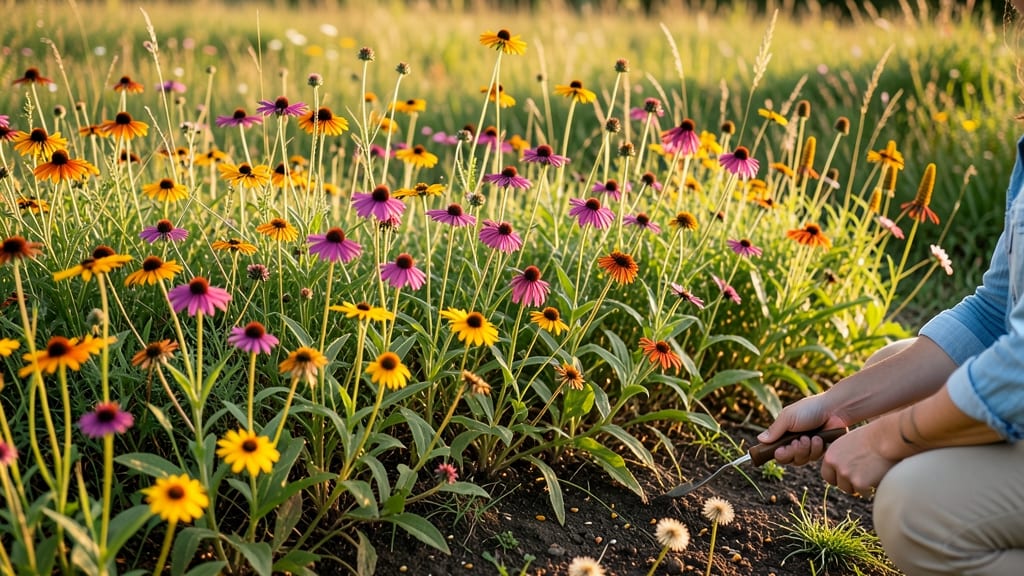
How tall do wildflowers grow? They range from just a few inches to over 6 feet, depending on the variety and growing conditions.
Wondering if those delicate wildflowers will tower over your garden or stay compact enough for a small plot? The height of wildflowers varies dramatically—from tiny ground covers like lavender to sunflower-like giants like giant coneflowers—depending on the species, growing conditions, and climate zone.
For example, cosmos and black-eyed Susans typically reach 3 to 5 feet, while native wildflowers like purple coneflower can grow 2 to 4 feet tall. In contrast, dwarf varieties like shasta daisies stay under 2 feet, making them perfect for borders or containers.
Discover how to choose the right wildflowers for your space, understand what affects their height, and learn simple tricks to manage their growth—whether you want a wildflower meadow or a tidy garden bed.


Wildflower height ranges by popular varieties and their growth habits
Planning your wildflower garden starts with understanding height ranges—because a 6-foot sunflower won’t fit in the same space as a 1-foot lavender! Wildflowers vary dramatically, from low-growing ground covers to towering perennials. Knowing these differences helps you design balanced landscapes that thrive without overcrowding or blocking views.
Height isn’t the only factor—growth habits (annual, perennial, or biennial) also shape your garden’s long-term structure. Annuals like cosmos bloom fast and fade, while perennials like coneflowers return year after year, gradually reaching their mature size. Let’s explore these key varieties and how they’ll shape your outdoor space.
| Wildflower | Type | Mature Height | Spread | Growth Rate | Best For |
|---|---|---|---|---|---|
| Black-Eyed Susan (Rudbeckia hirta) | Perennial | 2–3 ft | 1–2 ft | Moderate (60–90 days) | Pollinators, borders, meadows |
| Coneflower (Echinacea purpurea) | Perennial | 2–4 ft | 1.5–2 ft | Slow to moderate (45–60 days) | Wildlife gardens, cut flowers |
| Lavender (Lavandula spp.) | Perennial | 1–3 ft | 2–4 ft (spreading) | Slow (60–90 days) | Drought gardens, borders, fragrance |
| Cosmos (Cosmos bipinnatus) | Annual | 2–4 ft | 1–2 ft | Fast (30–45 days) | Cut flowers, pollinators, containers |
| Sunflower (Helianthus annuus) | Annual | 3–12 ft | 1–3 ft | Very fast (60–90 days) | Statement plants, bird feeders |
| Yarrow (Achillea millefolium) | Perennial | 1–3 ft | 1–2 ft | Moderate (60 days) | Dry gardens, pollinators |
| Goldenrod (Solidago spp.) | Perennial | 2–4 ft | 1–3 ft | Moderate (45–60 days) | Late-season color, meadows |
| Foxglove (Digitalis purpurea) | Biennial | 3–5 ft | 1–2 ft | Slow (90+ days) | Shady borders, cottage gardens |
| Blanket Flower (Gaillardia pulchella) | Annual/Perennial | 1–2 ft | 1–1.5 ft | Fast (30–45 days) | Rock gardens, containers |
| Bee Balm (Monarda didyma) | Perennial | 2–4 ft |