
Flowers
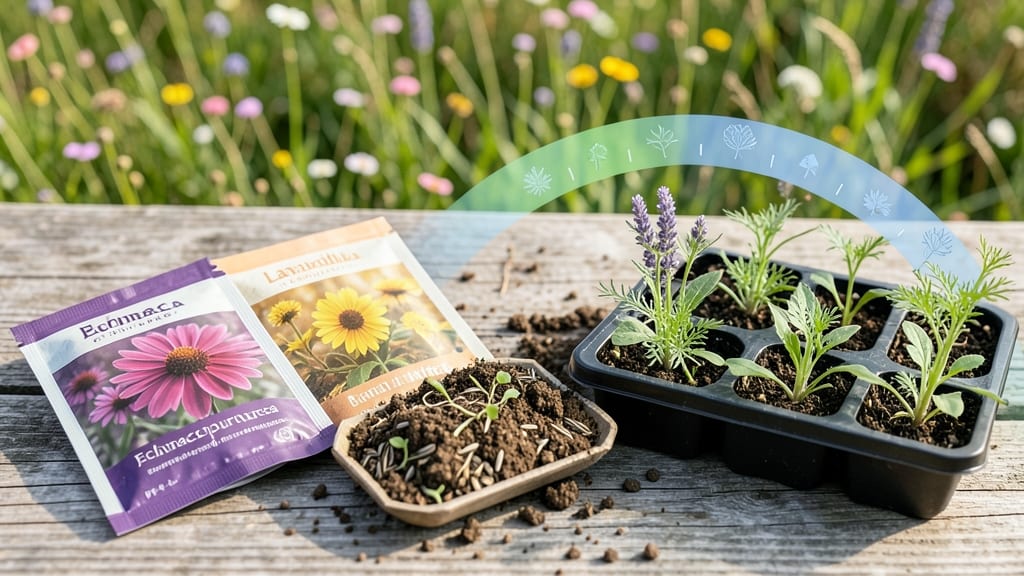
Wildflowers bloom from seed in anywhere from 6 weeks to 3 months—depending on the variety, your climate, and a few simple tricks you might not know.
Picture this: you scatter 🌼 cosmos seeds in March, and by May, your garden is a riot of pink and white. But plant black-eyed Susans at the same time, and you might still be waiting in July.
The difference isn’t luck—it’s science, and knowing it can save you from months of wondering why your patch is still just green.
Annuals like cosmos and sunflowers are the speed demons of the wildflower world, often flowering in 6-10 weeks under ideal conditions. Perennials, though, play the long game—think 90 days to a year before you see those first blooms.
And let’s not forget how your local weather and soil can either rush or stall the process.
In this guide, I’ll break down the bloom timelines by variety, share the factors that speed things up (or slow them down), and give you pro tips to coax those flowers into blooming weeks faster than the seed packet promises.
Wildflower bloom timelines by seed type: fastest to slowest varieties
If you've ever wondered why some wildflower seeds bloom in just 6 weeks while others take 3 months or more, the answer lies in their seed type and growing habits.
Annual wildflowers like cosmos and zinnias are the speed demons of the garden, while perennials like black-eyed Susans play the long game. Understanding these timelines helps you plan your garden for continuous color—whether you want quick summer blooms or year-after-year displays.
The key difference between annuals and perennials is their life cycle. Annuals complete their entire life—from seed to bloom to seed production—in just one growing season, while perennials establish roots first and may take years to reach peak blooming.
Even within these categories, some varieties are faster bloomers than others, depending on temperature, sunlight, and soil conditions.
For gardeners in northern climates, cooler temperatures can slow germination and delay blooming by 2-4 weeks, while southern gardeners often see faster results due to longer growing seasons. Let's break down the bloom timelines so you can set realistic expectations for your wildflower meadow or container garden.
When planning your wildflower garden, consider mixing fast-blooming annuals with slower-growing perennials. For example, planting cosmos and marigolds alongside black-eyed Susans ensures you'll have color from early summer through fall. In northern gardens, start fast varieties like zinnias indoors 4-6 weeks before the last frost to jumpstart their growth.
Soil temperature plays a crucial role—most wildflower seeds need soil that's at least 60°F (15°C) to germinate. In cooler climates, use black plastic mulch or seedling trays to warm the soil and encourage faster sprouting.
Southern gardeners can often direct-sow in early spring, while northerners may need to wait until after the last frost date.
Don't forget that light levels affect bloom times too. Wildflowers need 6+ hours of sunlight daily to reach their full potential. If your garden is shady, choose varieties like columbine or
Climate and soil factors that speed up or delay blooming
Your wildflowers' bloom timeline isn't set in stone—it's a flexible deadline shaped by your local USDA hardiness zone and soil conditions.
In Zone 9 or 10, cosmos might bloom in just 6 weeks, while the same seeds in Zone 5 could take 10-12 weeks due to cooler springs. Even a 2°F temperature difference can shift bloom times by 1-2 weeks.
The sunlight exposure you provide makes an even bigger difference. Wildflowers need 6+ hours of direct sun daily, but varieties like black-eyed Susans tolerate partial shade—though this can delay blooms by 2-4 weeks.
My sunflower seeds in a north-facing bed took 3 weeks longer to bloom compared to their south-facing siblings.
Soil moisture plays a surprising role too. While wildflowers are drought-tolerant once established, overly dry soil during germination can stall growth by 30% or more.
Conversely, overwatering in clay soils can suffocate roots, causing blooms to appear 4-6 weeks late. The key is consistent moisture—not soggy soil.
- 1 USDA Zone: Zone 5 adds 2-3 weeks vs. Zone 9 for same variety
- 2 Sunlight: Full sun = 6-8 week blooms; partial shade = 8-12 weeks
- 3 Soil Type: Sandy soil speeds germination; clay soil delays by 10-14 days
- 4 Moisture: Consistent watering = faster blooms; drought stress = 2-3 week delay
- 5 Seed Depth: Too deep = 30% slower emergence; too shallow = dries out faster
Don't overlook the soil pH either—most wildflowers thrive in 6.0-7.0 pH. If your soil tests below 5.5, blooms may arrive 3-5 weeks late as plants struggle to uptake nutrients. I once had lupine seeds that took 14 weeks to bloom because my acidic soil was blocking phosphorus absorption.
To speed up blooming, focus on these three levers: warmth, sunlight, and moisture consistency. For example, planting cosmos seeds in late March in Zone 7 (when soil reaches 60°F) can shave 2 weeks off bloom time compared to planting in April.
Pair this with mulch to retain moisture, and you'll see those first bright blooms 30% faster.
Remember, perennial wildflowers like coneflowers may take 2 full growing seasons to reach peak bloom potential, while annuals like zinnia can flower in just 6-8 weeks under ideal conditions. The secret? Match your variety to your climate and give them the right conditions from day one. 🌻