
How To
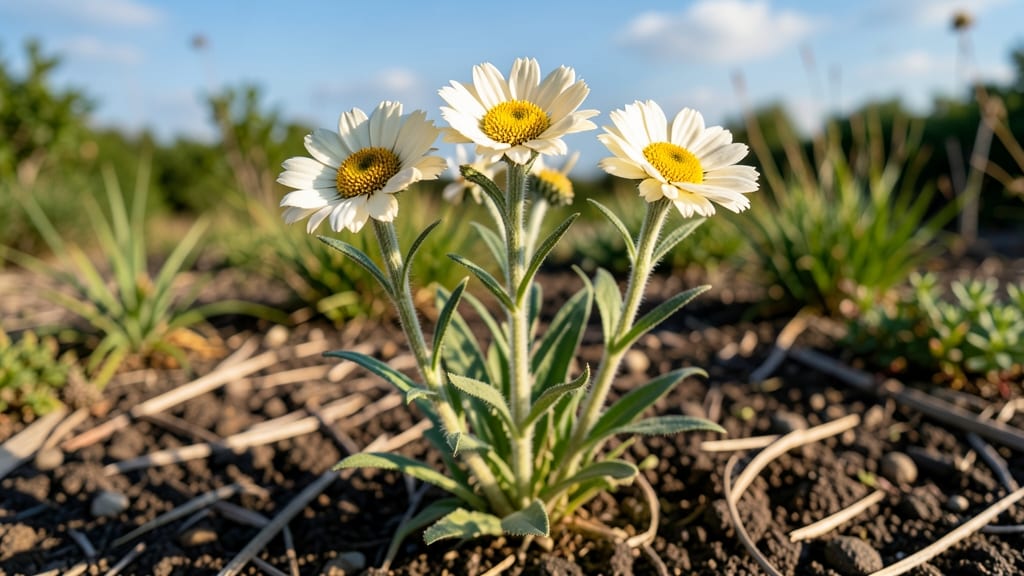
Strawflowers grow between 1 to 3 feet tall at maturity, making them the perfect mid-height accent for borders, containers, or cut flower arrangements 🌼.
What makes them so versatile? Some varieties barely top your knee, while others reach shoulder height—so your garden design choices depend entirely on which type you pick.
If you’re planning a mixed border, taller strawflowers (like Limelight) can anchor the back, while dwarf types (like Dwarf White) spill beautifully over pots or edges.
Here’s how to choose the right height for your space, plus tips for spacing and pruning to keep them looking their best all season.


Strawflower height by variety: exact growth ranges for garden design
Strawflowers (Helichrysum bracteatum) offer a stunning range of heights, from compact dwarf varieties perfect for containers to tall border plants that create drama in your garden. Understanding these exact height ranges helps you plan spacing, companion plants, and even container arrangements for maximum visual impact.
Whether you're designing a cut-flower garden or a patio display, choosing the right variety ensures your strawflowers thrive and complement your space perfectly.
Most strawflower varieties fall between 12 to 36 inches tall at maturity, but some can reach up to 48 inches in ideal conditions. The key to stunning displays lies in variety selection and proper spacing.
For example, dwarf varieties like Dwarf White thrive in tight spaces, while tall varieties like Limelight command attention in the back of borders. Let’s break down the exact height ranges and spacing needs for popular varieties to help you design with confidence.
Why height matters: Proper spacing prevents overcrowding, which can lead to poor air circulation and increased disease risk. It also ensures each plant has enough nutrients and sunlight to reach its full potential. For instance, a 36-inch variety planted too close to a 12-inch dwarf can shade its smaller neighbor, stunting growth. Let’s explore the ideal spacing guidelines for each variety to create a cohesive and thriving garden.
If you’re designing a cut-flower garden, prioritize taller varieties like Limelight or Moonwalk, which provide long, sturdy stems perfect for arrangements. These varieties thrive when planted in groups of 3–5, creating a dramatic focal point in your garden.
For example, a row of Limelight spaced 18 inches apart will create a continuous bloom display from summer to fall, perfect for harvesting fresh flowers weekly.
For small-space gardening, dwarf varieties like Dwarf White or Dwarf Rainbow are ideal. These compact plants fit beautifully in window boxes, patio containers, or raised beds, adding color without overwhelming your space.
When planting in containers, use one dwarf strawflower per 12-inch pot to allow room for roots to spread. Pair them with trailing plants like sweet potato vine or basil to create a multi-layered display that maximizes vertical space.
Spacing isn’t just about height—it’s also about growth habit. Upright varieties like Limelight need more room between plants to prevent crowding, while mounding varieties like Mojave can be planted closer together for a dense, textured look.
Always follow the spacing guidelines in the table above to ensure each plant has enough air circulation and sunlight. Overcrowding can lead to leggy growth or fewer blooms, so plan accordingly!
Another tip for managing height is to prune selectively during the growing season. Pinching back tall, leggy stems encourages bushier growth and prevents plants from becoming too top-heavy. This is especially useful for tall varieties like Moonwalk, which can benefit from
How to control strawflower height: pruning, staking, and variety selection tips
Managing strawflower height starts with choosing the right variety for your space. If you’re working with limited room, dwarf varieties like Dwarf White (12–18 inches) are perfect for containers or window boxes. For dramatic borders, taller types like Limelight (24–36 inches) create stunning vertical interest.
Once planted, pruning and staking can help you control growth and prevent flopping. Tall varieties often need support, while dwarf types benefit from light pinching to encourage bushier blooms. Let’s break down the best methods for each scenario.
🌱 Numbered Highlights: Strawflower Height Control
- Dwarf varieties (12–18"): Ideal for containers or small borders—no staking needed.
- Standard varieties (24–36"): Require staking in windy areas to prevent flopping.
- Prune after blooming: Cut back 1/3 of stems to encourage reblooming in fall.
- Avoid overcrowding: Space plants 12–18" apart for airflow and prevent disease.
- Deadhead spent blooms: Removes seed heads and redirects energy to new growth.
For container gardening, always select dwarf varieties to avoid root competition. If you’re growing in ground beds, taller types can be planted at the back, with shorter flowers like snapdragons or marigolds in front for layered visual appeal.
Staking is essential for tall strawflowers in exposed locations. Use bamboo stakes or tomato cages inserted at planting time. Gently tie stems with soft plant ties every 6–8 inches to avoid damaging the woody stems.
One common mistake is over-pruning in early spring, which can delay blooming. Instead, wait until after the first flush of flowers to trim back 1/3 of the plant’s height. This encourages compact growth and prolongs the flowering season.
If your strawflowers are leaning or flopping, it’s often a sign of poor support or overcrowding. Thin out crowded plants and add stakes early in the season.
For cut flower arrangements, tall varieties like Ruby Wedding (30–36 inches) provide stunning stems, but harvest them when buds are half-open for longer vase life.