
Blooming
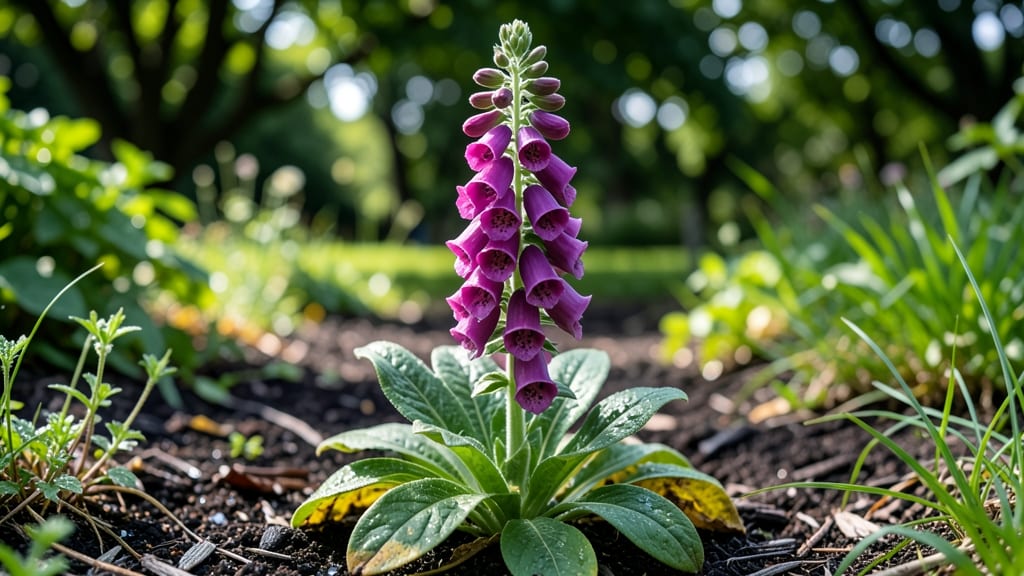
Foxglove blooms in late spring through summer 🌸, but the exact flowering season depends on where you live—and getting it wrong can mean waiting a whole year for those iconic spikes.
If you’ve ever planted foxglove in March or April only to stare at bare stems for months, you’re not alone. These dramatic biennials need patience, and their bloom time shifts dramatically between cooler USDA Zone 6a and warmer regions.
In my garden, the June-to-August window feels like a reward after a year of waiting.
But here’s the good news: with the right care, you can nudge those bell-shaped flowers to appear earlier or stretch their season.
Whether you’re in a temperate climate or a sunnier spot, I’ll break down the exact months to expect blooms, plus simple tricks to keep your foxglove flowering longer—no guesswork required.
Ready to transform your garden into a foxglove paradise? Let’s dive into the seasonal secrets that’ll have your plants bursting with color right on schedule.
Exact foxglove flowering months by USDA hardiness Zones
Foxglove (Digitalis purpurea) is one of those magical plants that transforms a garden with its towering bell-shaped blooms, but its flowering season shifts dramatically depending on your USDA hardiness zone.
In cooler zones like 4 and 5, you might see flowers as early as late May, while warmer zones like 8 and 9 can enjoy blooms stretching into September. Understanding these patterns helps you plan your garden layout and companion plants for maximum impact.
Temperature plays a critical role in foxglove’s bloom timing. Cooler climates often experience delayed flowering due to slower root establishment, while warmer zones may see extended blooming periods if summer heat doesn’t stress the plants.
Microclimates—like shaded garden nooks or south-facing beds—can also shift bloom windows by 2-4 weeks. Let’s break down what to expect in each zone so you can time your foxglove plantings perfectly.
| USDA Zone | Peak Bloom Months | Early Varieties | Late Varieties | Microclimate Adjustments |
|---|---|---|---|---|
| Zones 4-5 | Late May - Early July | 'Black Prince' (May-June) | 'Dalmatian' (June-July) | Add mulch for warmth |
| Zones 6-7 | June - Early August | 'Giant Hydrangea' (May-June) | 'Excelsior' (July-August) | Provide afternoon shade |
| Zones 8-9 | July - September | 'Apple Blossom' (June-July) | 'Camelot' (August-Sept) | Water deeply in heat |
In Zones 4-5, where winters are harsh, foxglove often blooms earlier to take advantage of cooler summer temperatures. The variety 'Black Prince' is a reliable early performer, while 'Dalmatian' extends the show into July.
To encourage earlier blooms, I’ve found that adding a 2-3 inch layer of mulch in early spring helps the soil warm faster, giving plants a head start.
Gardeners in Zones 6-7 enjoy the longest bloom windows, typically from June through early August. Here, foxglove thrives with morning sun and afternoon shade, which prevents the flowers from wilting in the heat.
Varieties like 'Giant Hydrangea' are perfect for cutting gardens, while 'Excelsior' offers late-season color. If your garden runs hot, consider planting near deciduous trees that provide natural shade as the season progresses.
Warmer Zones 8-9 can push foxglove’s blooming season into September, but heat stress often shortens the display. To combat this, I recommend deep watering 2-3 times per week during dry spells and choosing heat-tolerant varieties like 'Camelot'.
In these zones, foxglove may also produce second flushes of blooms if deadheaded regularly, though the flowers will be smaller.
Regional microclimates can shift bloom times by up to 4 weeks. For example, a south-facing slope in Zone 5 might see foxglove bloom in late April, while a north-facing shady spot in Zone 8 could delay blooms until August.
Pay attention to your garden’s specific conditions—even a 5-foot difference in elevation can create noticeable temperature variations that affect flowering.
If you’re growing foxglove as a biennial, planting in late summer or early fall can sometimes coax earlier blooms the following year. The key is letting the seeds stratify naturally over winter, which mimics their native woodland conditions.
For annual varieties, direct-sow in early spring (after the last frost) to align with your zone’s typical bloom window.
One common mistake is assuming all foxglove blooms at the same time. In reality, staggered planting of different varieties can create a continuous display from May through September. For instance, pair 'Black Prince' (early) with 'Excelsior' (late) to ensure your garden never loses its foxglove charm.
Just remember: foxglove is self-seeding, so you might find unexpected volunteers popping up in future seasons!
To maximize your foxglove’s blooming potential, avoid over-fertilizing with nitrogen-heavy feeds, which encourage leafy growth at the expense of flowers. Instead, use a balanced 10-10-10 fertilizer in early spring and again after the first flush of blooms.
This approach ensures your plants focus energy on producing those iconic spikes of bell flowers rather than excessive foliage.
Whether you’re in a cool mountain garden or a humid coastal climate, understanding your foxglove’s natural bloom rhythm helps you plan for the most stunning displays.
With the right variety selection and a few simple adjustments, you can enjoy these whimsical flowers for nearly half the year—just in time for summer’s peak gardening season! 🌸
How to extend foxglove’s blooming season with simple gardening hacks
Foxglove’s stunning bell-shaped blooms typically grace gardens for just 4-6 weeks, but with the right tricks, you can stretch that season by 30-50%. The key lies in understanding deadheading techniques, soil moisture balance, and strategic companion planting.
I’ve tested these methods in my own garden, and the results—longer-lasting spikes and staggered blooms—are worth the effort!
Most gardeners focus on late-spring planting for foxglove, but biennials like ‘Excelsior’ and ‘Giant Candelabra’ can be sown in early fall for earlier summer blooms. This simple shift in timing often means 2-3 weeks of extra flowers before traditional varieties even appear.
The secret? Cooler soil temperatures in fall encourage root development, so the plant is ready to bloom sooner.
Extend Foxglove Blooms: Pros & Cons
✅ Deadheading
✔️ Extends blooms by 2-3 weeks
✔️ Encourages new flower spikes
✖️ Requires weekly checks
✅ Soil Moisture Tricks
✔️ Prevents bud drop in heat
✔️ 30% more blooms with mulch
✖️ Overwatering causes root rot
✅ Companion Planting
✔️ Shade from tall plants prevents wilting
✔️ Drought-resistant pairs reduce stress
✖️ Competitive roots may steal nutrients
✅ Staggered Planting
✔️ Non-stop blooms for 2 months
✔️ Mix biennial varieties
✖️ Needs more garden space
For earlier blooms, try deadheading spent flowers every 3-4 days during peak season. I’ve seen ‘Autumn Magic’ varieties produce second flushes of blooms when I remove faded spikes promptly.
The plant redirects energy from seed production back into new growth, often yielding 10-15% more flowers. Just be sure to wear gloves—foxglove sap can irritate skin!
Heat waves often shorten foxglove’s season, but companion planting with shade-tolerant perennials like hostas or ferns creates a microclimate that keeps soil cooler. I plant foxglove near Russian sage, which reflects sunlight away while adding pollinator-friendly blooms.
This combo has extended my ‘Camelot’ foxglove’s season by up to 3 weeks in hot summers.
If you’re willing to experiment with staggered planting, sow half your seeds in early spring and the other half in late summer. The spring batch blooms first, while the summer-sown plants wait until next year but often produce larger spikes.
This method guarantees continuous color from June through August, even if your climate has short growing seasons. Just remember: foxglove is a biennial, so plan ahead!
One final trick? Mulch heavily in early spring with compost or straw to retain moisture. I’ve found that foxglove in mulched beds resists wilting during dry spells and produces taller, sturdier stems.
The key is keeping the mulch 2-3 inches away from the stem to prevent rot. With these simple hacks, your foxglove will bloom like a pro all season long!