
Flowers
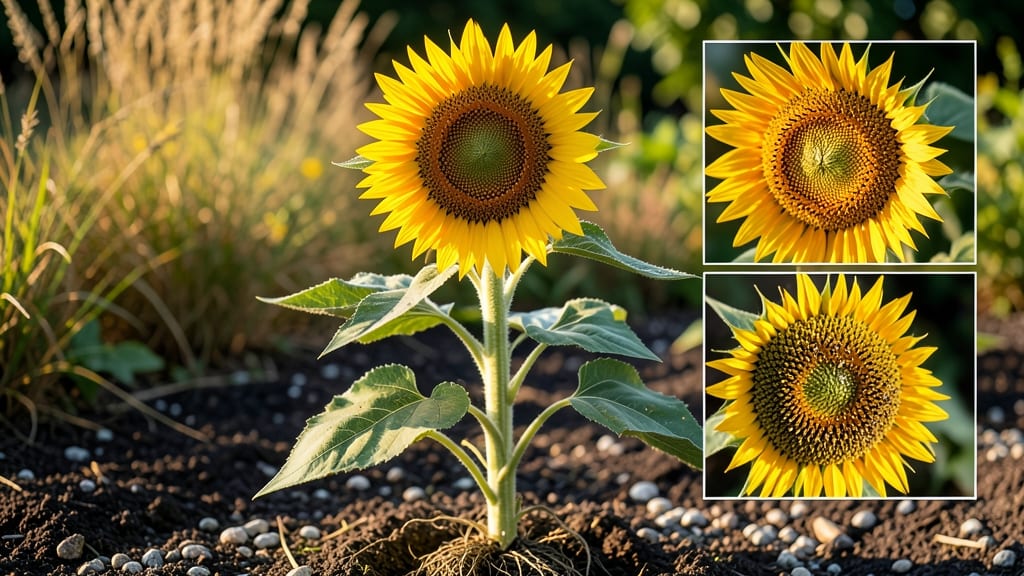
Imagine a 🌻 reaching higher than your mailbox—or even as tall as a two-story building. That’s the range you’re dealing with, and the difference between a compact patio plant and a backyard skyscraper comes down to just a few choices.
If you’ve ever wondered whether your space can handle a sunflower, the answer depends on the type: dwarf varieties stay humble, while giants demand serious real estate.
I’ll break down the height spectrum, from bushy 3-footers to 16-foot giants, and show you how to pick the perfect one for your garden’s style and size.
You’ll also discover the care secrets that help sunflowers hit their full potential—like soil depth, sunlight tricks, and the best time to stake them—so you can grow the towering beauty you’ve always dreamed of.


Sunflower height ranges by variety: from dwarf to giant
Sunflowers are one of the most dramatic plants in any garden, with some varieties reaching heights that rival small trees. The average sunflower can grow anywhere from 3 feet to over 16 feet tall, depending on the variety.
Knowing these height ranges helps you choose the perfect sunflower for your space—whether you have a tiny balcony or a sprawling backyard. The right variety can also influence how much sunlight, water, and support your plants will need to thrive.
For gardeners with limited space, dwarf sunflowers (3–5 feet) are ideal for containers, urban gardens, or even as border plants. If you're aiming for a striking focal point, standard varieties (6–10 feet) strike the perfect balance between manageable size and visual impact.
And for those who dream big, giant sunflowers (12–16+ feet) can create a breathtaking, sun-drenched backdrop—though they do require extra care and commitment.
| Variety Type | Height Range | Best For | Example Varieties |
|---|---|---|---|
| Dwarf | 3–5 ft | Containers, borders, small gardens | 'Teddy Bear', 'Moulin Rouge', 'Puck' |
| Semi-Dwarf | 5–7 ft | Cut flowers, mid-height borders | 'Autumn Beauty', 'ProCut', 'Sunspot' |
| Standard | 6–10 ft | Backyard focal points, pollinator gardens | 'Russian Giant', 'Mammoth', 'Sunflower 'Lemon Queen' |
| Giant | 12–16+ ft | Large gardens, dramatic displays | 'Russian Giant', 'Mammoth Russian', 'American Giant' |
If you're working with container gardening, dwarf varieties like 'Teddy Bear' (3–4 feet) are perfect for balconies or patios. These compact sunflowers produce cheerful blooms without overwhelming small spaces.
Their shorter stature also makes them easier to maintain, as they require less staking and are less prone to toppling in windy conditions. For added convenience, many dwarf varieties are also self-branching, meaning they produce multiple flower heads per stem—great for cut flower arrangements!
For gardeners with moderate space, semi-dwarf and standard varieties offer the best of both worlds. Varieties like 'Autumn Beauty' (5–7 feet) or 'Russian Giant' (8–12 feet) provide height and drama while remaining manageable.
These sunflowers are excellent for creating vertical interest in backyard gardens and can even serve as natural trellises for climbing plants like beans or morning glories. Their taller stature also makes them ideal for attracting pollinators like bees and butterflies, boosting your garden's biodiversity.
For those who love a challenge, giant sunflowers like 'Mammoth Russian' (12–16 feet) or 'American Giant' (up to 18 feet) are the ultimate showstoppers. These towering varieties can reach heights comparable to a two-story building, making them perfect for large gardens or as a dramatic centerpiece.
However, their massive size means they require deep, fertile soil, consistent watering, and often staking or wind protection to prevent them from toppling over. If you're growing giants, plan for their sprawling roots and give them plenty of space to avoid crowding other plants.
Height isn’t the only factor to consider when choosing sunflowers—bloom time and flower color also play a role in your garden’s aesthetic.
Early-blooming varieties like 'Teddy Bear' (which flowers in just 50–60 days) are great for extending your garden’s season, while late-season giants like 'Russian Giant' (which take 80–100 days to mature) add fall interest.
Mixing heights and bloom times creates a dynamic, layered look that keeps your garden vibrant from summer through autumn.
One common misconception is that all sunflowers need full sun to reach their maximum height, but this isn’t entirely true. While 6–8 hours of sunlight is ideal, shorter varieties like 'Sunspot' can tolerate partial shade (4–6 hours of sun), making them versatile for gardens with limited sunlight.
However, taller varieties will stretch and weaken if deprived of adequate light, so always match your sunflower choice to your garden’s light conditions for the best results.
To maximize height potential, focus on soil quality and watering consistency. Sunflowers thrive in well-draining, nutrient-rich soil with a pH between 6.0 and 7.5.
Amend heavy or clay soil with compost to improve drainage, and avoid over-fertilizing, which can lead to leafy growth at the expense of height. Water deeply 1–2 times per week, especially during dry spells, and mulch around the base to retain moisture and regulate soil temperature.
Whether you're growing sunflowers for their height, beauty, or edible seeds, choosing the right variety ensures a successful and rewarding gardening experience. With options ranging from compact dwarfs to sky-scraping giants, there’s a sunflower perfect for every garden—no matter how big or small.
Start with a variety that fits your space, and watch your garden transform into a sunlit sanctuary!
How sunflower height affects growth conditions and care
Taller sunflowers aren’t just a showstopper—they demand different growing conditions than their shorter cousins. A 16-foot sunflower like 'Mammoth' needs deep soil and strong support, while a 3-foot 'Teddy Bear' thrives in containers with minimal fuss.
The height of your sunflower directly impacts how you care for it, from planting depth to wind protection and even watering frequency.
Sunflowers that reach 10 feet or taller require at least 24 inches of soil depth to support their massive root systems. Shallow soil can stunt growth or cause top-heavy plants to topple over.
Meanwhile, dwarf varieties like 'Pocket Sun' (1-2 feet) can grow in 5-gallon containers with just 6-8 inches of soil. The right soil depth ensures your sunflower’s height potential isn’t wasted.
⚠️ CAUTION: TALL SUNFLOWERS NEED SPECIAL CARE ⚠️
Wind is the silent enemy of tall sunflowers. A 12-foot stem can snap like a twig in a 20 mph breeze. Plant tall varieties in sheltered spots (like near fences or buildings) or group them in clusters for mutual support. For container-grown sunflowers, place them on windbreaks or use weighted bases to stabilize them.
Sunlight needs vary slightly by height, but all sunflowers demand 6+ hours of full sun daily. Taller varieties may need more intense light to fuel their rapid growth, while shorter types can tolerate partial shade (though blooms will be smaller).
If your garden has limited sun, opt for dwarf varieties like 'Little Becka' (2-3 feet)—they’ll still thrive with 4-5 hours of sun.
Watering taller sunflowers requires a different approach than shorter ones. Deep roots mean they need 1-2 inches of water per week, but you must water deeply (12-18 inches down) to reach them. Shallow-rooted dwarfs only need ½ inch weekly.
Overhead watering can cause fungal diseases in dense foliage, so use drip irrigation or water at the base. Mulch around all sunflowers to lock in moisture and regulate soil temperature.
To maximize height, start with nutrient-rich soil (compost or aged manure) and fertilize lightly during early growth. Avoid over-fertilizing—it promotes leafy growth over height. For giant varieties, side-dress with balanced fertilizer (5-10-10) when stems reach 3 feet.
Prune lower leaves on tall stems to improve airflow and reduce disease risk. With the right care, even a 10-foot sunflower can reach its full potential!