
Size
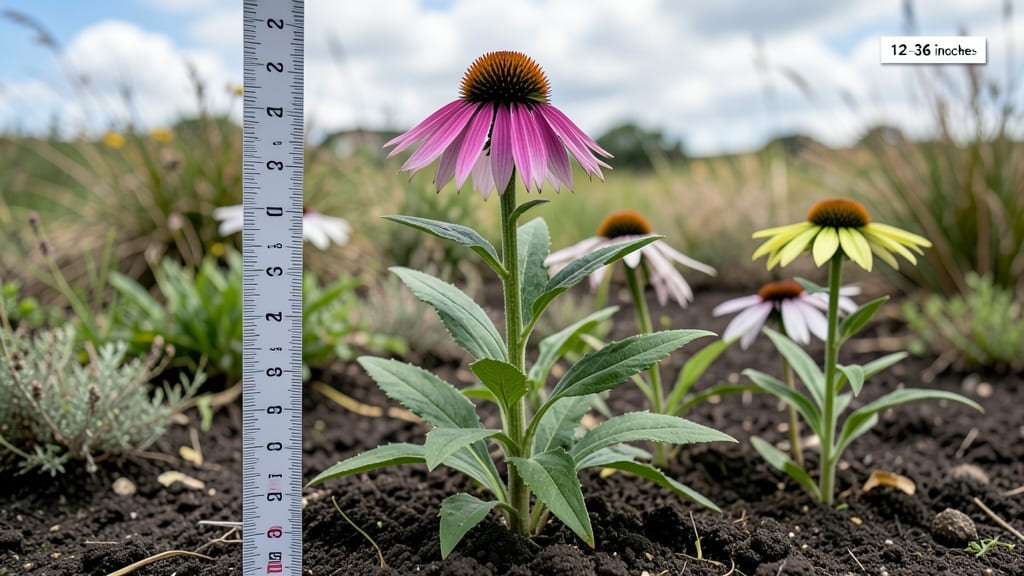
Coneflowers grow between 1 and 4 feet tall depending on the variety, making them a versatile choice for almost any garden space.
If you’re dreaming of adding bold, pollinator-friendly blooms but aren’t sure how much vertical space they’ll need, you’re in the right place. These hardy perennials aren’t just stunning—they also come in surprising height variations that can transform your landscape.
From dwarf varieties perfect for small gardens to towering types that make a statement in the back of a border, coneflowers adapt beautifully to different growing conditions. With the right care, you can encourage compact growth or let them reach their full potential.
Here’s what you need to know about their mature heights, how to choose the right variety for your space, and simple care tips to keep them thriving.


Coneflower height by variety: a complete size guide
Choosing the right coneflower variety for your garden depends heavily on understanding their mature height ranges. From petite dwarf varieties perfect for containers to towering tall cultivars that create dramatic backdrops, these perennials offer something for every space.
I’ve grown them in everything from urban balconies to wildflower meadows, and the size differences truly matter for placement and pollinator impact.
Most Echinacea species reach maturity in their second year, but their final height can vary by 2-3 feet between varieties. For example, Echinacea purpurea typically stands 2-5 feet tall, while Echinacea paradoxa remains under 2 feet.
These differences aren’t just about aesthetics—they directly affect pollinator attraction and garden design possibilities.
Here’s the key: If you’re working with limited vertical space, prioritize dwarf coneflowers like 'White Swan' or 'Green Envy'. For bold statements, let tall varieties like 'Magnus' or 'Hot Papaya' reach their full potential in the back of borders. The right choice transforms your garden from crowded to curated.
When planning your garden layout, remember that spread measurements matter just as much as height. For instance, 'Magnus' may reach 5 feet tall but only spreads 2 feet wide, making it ideal for tight spaces along fences. Meanwhile, Echinacea paradoxa,
How to control coneflower height naturally: pruning and care tips
If you've ever wondered how to keep your coneflowers from towering over your garden or encourage them to stay compact, you're not alone. These versatile perennials can reach anywhere from 1 foot to 4 feet, depending on the variety and care.
The good news? With the right techniques, you can guide their growth to fit your space perfectly while keeping them healthy and blooming.
Natural height control starts with understanding your coneflower's growth habits. Some varieties like Echinacea purpurea naturally stay shorter, while others like Echinacea paradoxa can reach impressive heights.
The key is using seasonal pruning, proper staking, and smart deadheading techniques to manage their vertical growth without harsh chemicals or drastic measures.
Here's how I've learned to naturally control coneflower height through careful pruning and maintenance:
Early Spring Pruning: Cut back last year's stems to 4-6 inches tall in early spring before new growth appears. This encourages bushier, more compact growth and prevents legginess.
Deadheading Technique: Remove spent blooms by cutting the stem just above the lowest set of leaves. This prevents seed formation and redirects energy to new flower production rather than vertical growth.
Seasonal Staking: For tall varieties, install bamboo stakes or tomato cages in early summer. Gently tie stems to provide support without restricting natural growth patterns.
Fall Cleanup: After flowering season, cut back all stems to 2-3 inches above ground level. This prevents disease and encourages more controlled growth the following spring.
Soil Management: Amend your soil with compost in early spring. Well-draining, fertile soil promotes strong root systems that support compact, healthy growth rather than leggy stems.
The timing of your pruning makes all the difference. For example, I've found that pruning Echinacea purpurea right after the first flush of blooms encourages a second round of flowers while keeping the plant more manageable in height.
Meanwhile, taller varieties like Echinacea paradoxa benefit from more frequent staking throughout the growing season to prevent flopping.
Remember that coneflowers are incredibly resilient. Even if you accidentally prune too much, they'll often bounce back with vigorous new growth. I've learned that consistency is more important than perfection—regular maintenance yields the best results.
For container gardening, choose dwarf varieties like 'White Swan' which naturally stay under 2 feet tall, making them perfect for patio displays.
With these natural techniques, you can enjoy the beauty of coneflowers without worrying about them overwhelming your garden space. The key is observing your plants and adjusting your approach based on their response. Happy gardening! 🌼