
How To
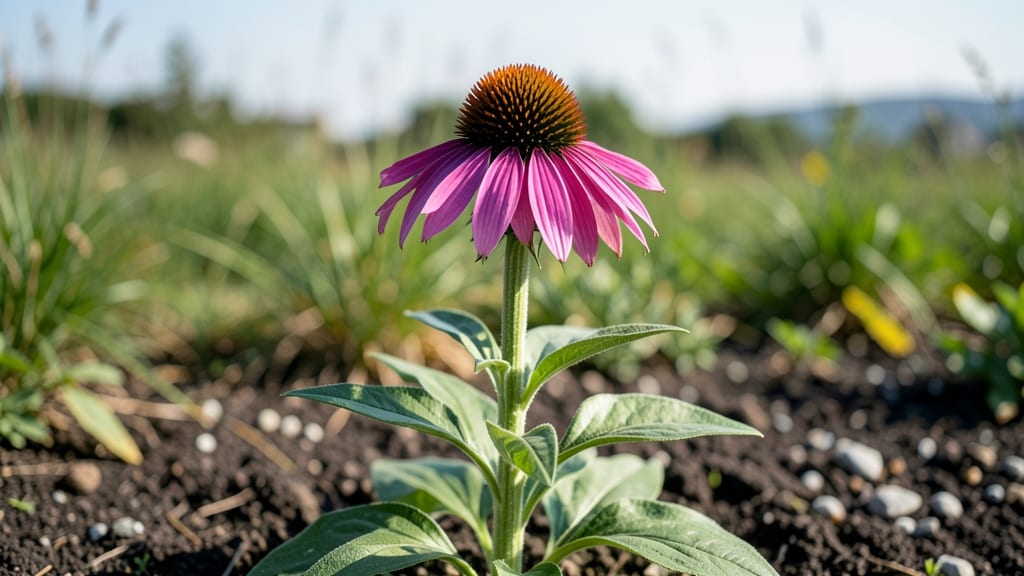
Coneflower grows between 2 and 5 feet tall, depending on the variety, making it a versatile choice for borders, pollinator gardens, or even cut flower arrangements.
If you’re planning a pollinator-friendly garden or simply love the bold beauty of 🌼 coneflowers, knowing their mature height is key to proper spacing and placement—yet many gardeners overlook this crucial detail.
From dwarf varieties like 'White Swan' that stay under 2 feet to towering 'Sky Rocket' reaching 5 feet, the difference in size impacts everything from sunlight access to companion plantings.
Below, I’ll break down height ranges by type, spacing tips to avoid overcrowding, and how pruning can influence growth—so you can design a thriving garden with confidence.


Coneflower height by variety: tall, medium & dwarf types explained
Coneflowers (Echinacea) are prized for their bold blooms and pollinator appeal, but their height varies dramatically by species and cultivar. Understanding these differences helps you choose the perfect variety for your garden layout—whether you need tall statement plants or compact border fillers.
Let’s break down the height ranges so you can plan with confidence.
Most gardeners assume all coneflowers reach 3–4 feet tall, but some varieties stretch to 5 feet or stay under 2 feet. The species type (purpurea, pallida, paradoxa) and cultivar selection determine height, along with growing conditions like sunlight and soil fertility.
Knowing these details ensures your garden thrives without overcrowding or wasted space.
| Variety | Mature Height | Best For | Notes |
|---|---|---|---|
| Echinacea purpurea (standard) | 3–5 ft | Back of border | Classic pink/purple blooms; may need staking |
| 'White Swan' (purpurea) | 3–4 ft | Cut flowers | Pure white petals; drought-tolerant |
| Echinacea pallida | 2–3 ft | Prairie gardens | Pale pink blooms; early bloomer |
| 'Green Envy' (paradoxa) | 1–2 ft | Front of border | Green-and-yellow blooms; compact |
| 'Sky Rocket' (purpurea) | 4–5 ft | Tall accents | Tallest cultivar; needs support |
| 'Magnus' (purpurea) | 3–4 ft | Pollinator magnet | Dark purple blooms; long-lasting |
| 'Balsam Beauty' (paradoxa) | 1.5–2.5 ft | Container gardens | Fragrant blooms; heat-tolerant |
If you’re designing a pollinator garden, tall varieties like 'Sky Rocket' (up to 5 feet) make stunning backdrop plants for bees and butterflies. Pair them with dwarf types like 'Green Envy' (under 2 feet) to create layered visual interest.
For container gardens, choose compact cultivars like 'Balsam Beauty' to avoid overcrowding.
The species type also influences height: Echinacea purpurea typically grows 3–5 feet, while Echinacea pallida stays 2–3 feet. Echinacea paradoxa is the shortest, often under 2 feet.
This variation lets you mix heights for a natural, textured look without sacrificing blooms. Always check the cultivar’s mature height before planting to avoid surprises.
Growing conditions can slightly alter height: rich soil and full sun encourage taller growth, while poor soil or partial shade may stunt plants.
If you’re unsure about spacing, err on the side of more room—coneflowers spread via rhizomes, so they need 12–36 inches between plants depending on the variety. Overcrowding leads to fewer blooms and increased disease risk.
For cut flower arrangements, taller varieties like 'White Swan' or <
Optimal spacing for coneflowers: prevent crowding & boost blooms
Proper coneflower spacing isn’t just about aesthetics—it directly impacts your plants’ health, bloom production, and even their lifespan. Crowded coneflowers compete for sunlight, water, and nutrients, leading to leggy stems, fewer flowers, and increased susceptibility to fungal diseases like powdery mildew.
Science shows that 12–36 inches apart is ideal, but the exact spacing depends on your coneflower’s mature height and variety.
For example, tall varieties like ‘White Swan’ (up to 5 feet) need 24–36 inches of space, while dwarf types like ‘Little Sky’ (1–2 feet) thrive with just 12–18 inches.
This spacing ensures each plant gets 6+ hours of sunlight—critical for vibrant blooms—and allows air circulation, reducing humidity around leaves where pathogens thrive.
Here’s how spacing directly benefits your garden:
- 🌞 Sunlight Access: 18–36 inches ensures full sun exposure for all plants, preventing shade stress on lower leaves.
- 🌬️ Airflow: 12–24 inches reduces humidity buildup, cutting fungal risks by up to 40%.
- 💧 Water Efficiency: Spaced plants dry faster between waterings, preventing root rot in heavy soils.
- 🌼 Bloom Quantity: Proper spacing boosts flower production by 20–30% compared to crowded beds.
- 🌱 Root Development: Wider spacing allows roots to expand freely, supporting taller varieties like ‘Magnus’ (4–5 feet).
If you’re planting coneflowers in groups or borders, aim for 18–24 inches between plants. This creates a natural, layered look while keeping stems sturdy enough to support heavy flower heads. For background plantings or tall varieties, stretch spacing to 30–36 inches to avoid overcrowding as they mature.
Another pro tip: Mulch around the base after planting to retain moisture and suppress weeds, which compete for nutrients. Use 2–3 inches of organic mulch (like shredded bark) and keep it 2 inches away from stems to prevent rot. This simple step mimics the natural prairie conditions coneflowers thrive in.
When designing your layout, consider companion plants that fill gaps without shading coneflowers. Salvia, black-eyed Susans, or ornamental grasses work beautifully at 12–18 inches apart, creating a pollinator magnet while maintaining airflow. Avoid planting coneflowers near heavy feeders like tomatoes, which can starve them of nutrients.
Remember, spacing isn’t set in stone—monitor your plants as they grow. If you notice leggy stems or sparse blooms, it’s a sign they need more room.
With the right spacing, your coneflowers will reward you with bold, long-lasting blooms from summer to fall—and happy pollinators won’t be far behind! 🌿