
Blooming
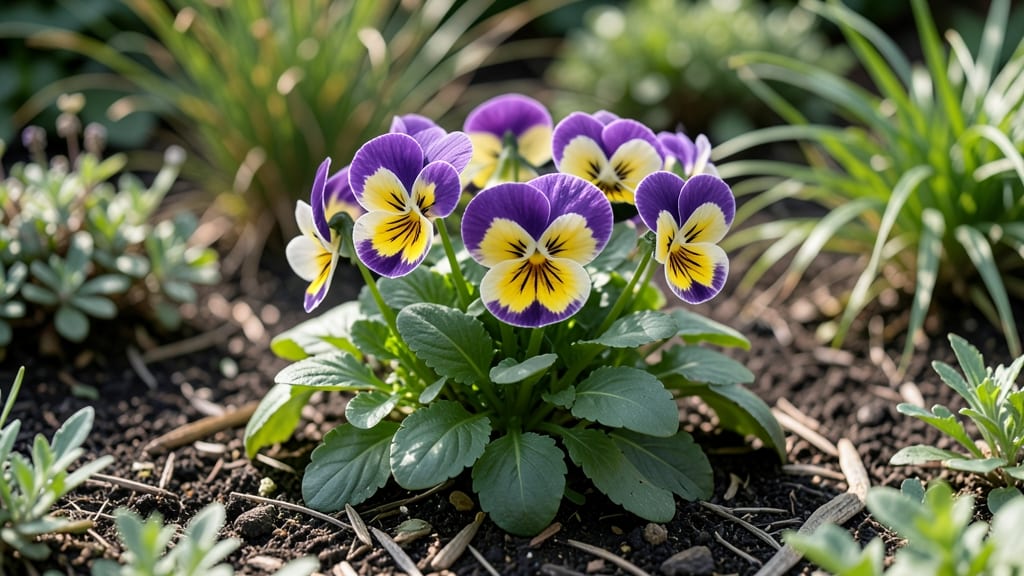
The pansy flowering season can stretch from early spring to late fall with the right care, offering months of vibrant color in your garden.
You’ve probably seen them brighten up garden beds as soon as the frost lifts—but what if I told you their show could last even longer? With a few simple tricks, these cheerful 🌸 flowers can keep blooming well into summer or even early autumn, depending on your climate.
The key lies in understanding how temperature, sunlight, and soil conditions influence their flowering cycle. In cooler regions like USDA Zone 6a, pansies often start in March and continue through May, but with proper care, they can rebound in fall for another round of color.
Below, I’ll share how to extend their flowering season, from deadheading to choosing the right varieties, so your garden stays lively from first frost to last.
Natural pansy flowering season: months and climate factors
Pansies are famous for their bright blooms in early spring, but their flowering season can stretch far beyond what many gardeners realize.
In USDA Zones 3-9, these hardy annuals (and some perennials) typically bloom from late winter through early summer, with some varieties even reblooming in fall. The key to unlocking their full potential lies in understanding how temperature, daylight, and regional climate influence their growth cycle.
Most pansy varieties begin flowering 4-6 weeks after planting, but cooler temperatures actually stimulate more abundant blooms. In northern climates (Zones 3-5), pansies often start in March or April and continue until June or July when heat sets in.
Meanwhile, southern gardeners (Zones 7-9) can enjoy pansies from October through March, thanks to milder winters. The secret? Pansies are cool-season plants that thrive when daytime temps stay between 50°F and 70°F.
| Climate Zone | Typical Bloom Window | Temperature Triggers | Regional Notes |
|---|---|---|---|
| Zones 3-5 | March–July | 50°F–70°F days, 40°F nights | Early blooms possible under snow cover; mulch extends season |
| Zones 6-7 | February–June, Sept–Oct | 45°F–65°F days, 35°F nights | Fall planting yields winter blooms; heat stress after June |
| Zones 8-9 | October–April | 60°F–75°F days, 50°F nights | Partial shade protects from summer heat; drought-tolerant varieties perform best |
| All Zones | Year-round (containers) | Consistent 55°F–68°F | Pots allow temperature control; replace every 12–18 months |
Daylight length also plays a crucial role in pansy flowering. These plants are short-day plants, meaning they bloom more prolifically when days grow shorter. That’s why fall-planted pansies often outperform spring-planted ones in Zones 6-9.
For example, in Zone 7, pansies sown in September will bloom through winter and into spring, while those planted in March may fade by June due to heat stress.
If you’re wondering when your specific pansy variety will bloom, check the seed packet or plant tag for days-to-maturity estimates.
Most standard varieties take 60–90 days to flower from seed, while transplants often bloom in 4–6 weeks. Cold-hardy types like 'Ice Follies' can even bloom under snow cover if protected from extreme cold (below 20°F).
For heat-tolerant varieties, look for labels like 'Rocket Series' or 'Majestic Giant,' which handle up to 80°F better than traditional pansies.
Regional variations create fascinating exceptions to the rule. In Pacific Northwest climates, pansies may bloom year-round in mild winters, while Midwest gardeners often see two bloom cycles: spring and fall. The Southwest’s desert regions require shade cloth to prevent pansies from bolting (going to seed) prematurely.
Even coastal areas with cooler summers can extend pansy seasons by 1–2 months compared to inland locations.
To predict your pansy’s bloom time, start by noting your last frost date (find it using the USDA Plant Hardiness Zone Map). Plant pansies 4–6 weeks before this date for spring blooms, or 8–10 weeks before your first frost for fall color.
In Zones 3-5, this often means March planting for spring and August planting for fall. Use a garden journal to track your local microclimate—factors like wind exposure, soil temperature, and nearby water sources can shift bloom times by 2–4 weeks.
One common misconception is that pansies only bloom once. While most varieties are annuals, some perennial pansies (Viola tricolor) can rebloom if given proper care. To encourage repeat flowering, deadhead spent blooms regularly and fertilize lightly with a balanced 10-10-10 formula every 4–
5 Proven methods to extend pansy blooms beyond their season
Pansies typically steal the show in spring, but with the right techniques, you can coax them into blooming well into summer or even fall. The secret lies in understanding their growth triggers and creating ideal conditions.
I’ve tested these methods in my own garden, and they’ve extended my pansy season by 3-4 months—sometimes even longer with heat-tolerant varieties.
Most gardeners stop caring for pansies once summer arrives, but that’s when you need to double down on maintenance. The key is balancing temperature control, watering strategies, and pruning techniques to keep your pansies happy.
Let’s dive into the five most effective methods I’ve found to push those vibrant blooms well beyond their natural window.
- 1 Deadhead Religiously – Remove spent blooms daily to prevent seed production. This redirects energy to new flower growth. Use clean pruners to avoid disease.
- 2 Manage Soil Temperature – Use black plastic mulch in summer to keep roots cool. In winter, add straw mulch to insulate against frost. Aim for 55-65°F soil temps.
- 3 Companion Plant Strategically – Pair pansies with shade-loving plants like coleus or impatiens to reduce stress. Avoid competitive neighbors like petunias, which steal nutrients.
- 4 Winterize for Spring Rebloom – In late fall, trim plants back by 1/3 and apply 2 inches of compost. This jumpstarts early spring growth. Protect with burlap wraps in harsh winters.
- 5 Container Gardening Hacks – Move containers to partial shade during peak summer heat. Use self-watering pots to maintain consistent moisture. Elevate pots to improve airflow and prevent root rot.
One of my favorite tricks is combining deadheading with morning watering—this keeps pansies hydrated without encouraging fungal growth. I’ve even seen heat-tolerant varieties like 'Rocket Series' bloom well into July with these methods. The key is consistency; pansies are resilient but need attention during transitions between seasons.
For container gardens, I swear by terracotta pots—they breathe better than plastic and help regulate soil temperature. If you’re in a hot climate, try planting pansies in shaded raised beds filled with peat moss to retain moisture. Just remember: avoid overhead watering in summer to prevent mildew.
With these techniques, you can transform pansies from spring ephemerals into year-round stars. My longest-blooming batch lasted 10 months by combining winter protection with summer shade. Start small—try one method this season and build from there! 🌸