
Watering
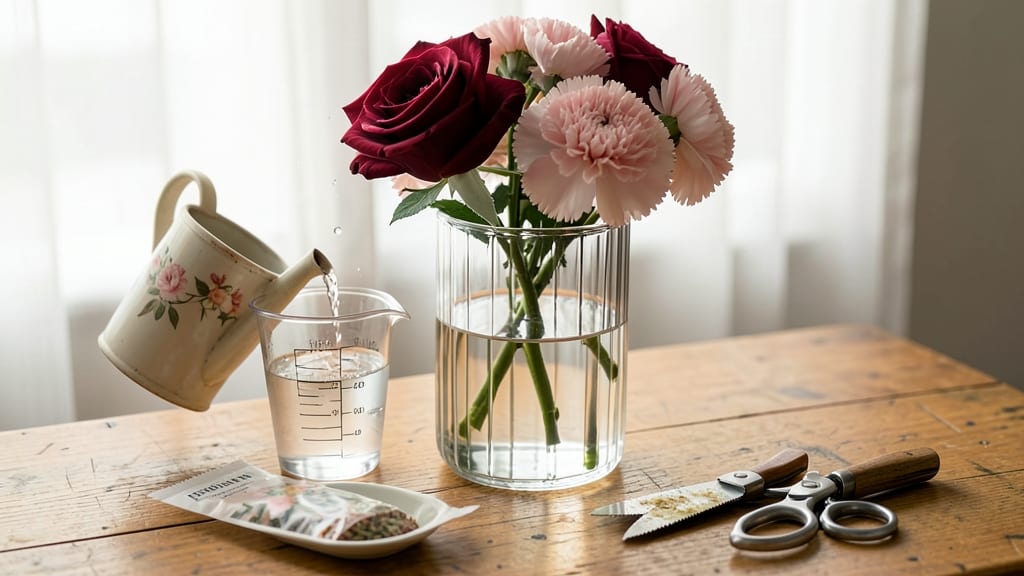
Flowers in a vase need about 2-3 inches of fresh water changed every 2-3 days to stay vibrant and hydrated—though some thirsty types like roses demand daily top-offs.
Struggling to keep your cut flowers fresh and vibrant beyond a few days? The secret lies in mastering the perfect water balance—too little and they wilt, too much and they rot. Here’s the science-backed guide to extending your bouquet’s life to two weeks or more.
Most people overlook the quality of water and vase cleanliness, which can introduce bacteria that clogs stems faster than you’d think. A quick rinse of the vase with vinegar or a splash of bleach solution every few days works wonders.
Below, I’ll break down the exact water amounts by flower type, how to tell when stems need trimming, and the one trick that adds an extra week to any arrangement—no fancy products required.
Optimal water levels for flowers in a vase: daily refresh guide
Keeping your cut flowers fresh starts with the right water levels. Most bouquets thrive with 1-2 cups of water in a standard vase, but the exact amount depends on stem thickness and flower type.
For example, large stems like roses need deeper vases (4-6 inches) to prevent air pockets, while delicate blooms like tulips only require 2-3 inches. Always fill the vase halfway—never to the brim—to avoid overflow and bacterial growth.
I’ve found that recutting stems at a 45-degree angle every 2-3 days maximizes water absorption. Use sharp scissors or pruners to create fresh cuts just above a leaf node.
This simple trick can extend vase life by 3-5 days by allowing stems to drink efficiently. Pair this with room-temperature water (never cold) to prevent shock and encourage hydration.
Seasonal adjustments are key to success. During summer months, when evaporation rates skyrocket, I increase my water checks to every 12-24 hours. In contrast, winter bouquets can go 48-72 hours between refreshes because cooler air slows moisture loss.
Pro tip: Add 1 teaspoon of sugar and 2 drops of bleach (or hydrogen peroxide) to the water to delay bacterial buildup and keep stems crisp.
Here’s a quick reference for water volume by flower type to help you customize your approach:
Don’t overlook the quality of your water. Tap water often contains chlorine or fluoride, which can clog stems. Let water sit out for 24 hours before using to allow chemicals to dissipate.
For an extra boost, I mix in 1/4 teaspoon of bleach (or 1 tablespoon of white vinegar) to prevent algae and bacterial growth. This simple addition can add 5-7 days to your bouquet’s life by keeping stems healthy.
Positioning your vase matters just as much as water quantity. Place bouquets in indirect light away from heat sources like radiators or direct sunlight, which accelerates wilting. A cool spot (around 65-70°F) is ideal.
I’ve noticed that kitchen counters often work best—humidity from cooking can actually help maintain moisture in the air around your flowers.
When it comes to vase materials, glass is the gold standard because it’s non-porous and easy to clean. However, ceramic or crystal vases can work too, as long as they’re food-safe and free of cracks.
Avoid plastic vases, which can trap bacteria and leach chemicals. Always clean your vase with hot soapy water and a 10% bleach solution before each new arrangement to prevent contamination.
Watch for visual cues that your flowers need attention. If petals begin to droop or stems feel mushy when squeezed, it’s time for a refresh. I’ve learned to trust my fingers—if the water feels tepid or smells funky, dump it and start fresh.
This hands-on approach saves money and keeps your bouquets looking their best for longer.
For large arrangements with 10+ stems, consider using a bucket vase (like a mason jar or pitcher) to hold more water. These are perfect for weddings or events where you need to hyd
Signs your flowers need water (and how to Fix it fast)
Even the most stunning bouquet can wilt faster than expected if you miss the subtle signs of thirst. Wilting petals and drooping leaves are the most obvious clues, but some flowers—like delicate lilies—show stress before they droop. Learning these visual hydration cues helps you act before irreversible damage occurs.
Different flowers have unique ways of signaling dehydration. Roses, for example, often curl their edges or develop yellowing leaves first, while tulips may simply flop over without much warning. Understanding these flower-specific signs lets you tailor your watering approach to keep each bloom thriving.
⚠️ callout warning ⚠️
Don’t panic if you spot these critical dehydration signs:
- ✂️ Stem separation: Flowers detach easily from stems (stem split test)
- 🌡️ Leaf crispiness: Edges turn brown or brittle to touch
- 🌱 Petal discoloration: White/yellow spots appear within 24 hours
Quick Fix: Trim stems at 45° angle, submerge in room-temperature water + 1 tsp sugar for 2 hours. Replace vase water completely.
For heavy drinkers like sunflowers, check the water level every morning and evening—they can guzzle up to 1 cup per day during peak summer heat. Meanwhile, drought-resistant blooms like alstroemeria only need refreshing every 2-3 days. Always use fresh, room-temperature water to avoid shocking the stems.
If your flowers show mold or cloudy water, it’s not just a water issue—it’s a bacterial infection. Dump the old water, scrub the vase with 1:10 vinegar-water mix, and recut stems under running water. This stem rejuvenation trick can add 3-5 extra days of vase life.
Pro tip: Group flowers by water needs in separate vases. Thirsty varieties like peonies and hydrangeas belong together, while low-maintenance types like carnations can share a vase. This strategic arrangement prevents over- or under-watering.
Remember, even the best watering routine fails if you ignore light and temperature. Keep vases away from direct sunlight (which evaporates water faster) and drafty areas (like AC vents). With these quick fixes, your bouquet will stay fresh for two weeks or more—no guesswork required! 🌷