
Light Requirements
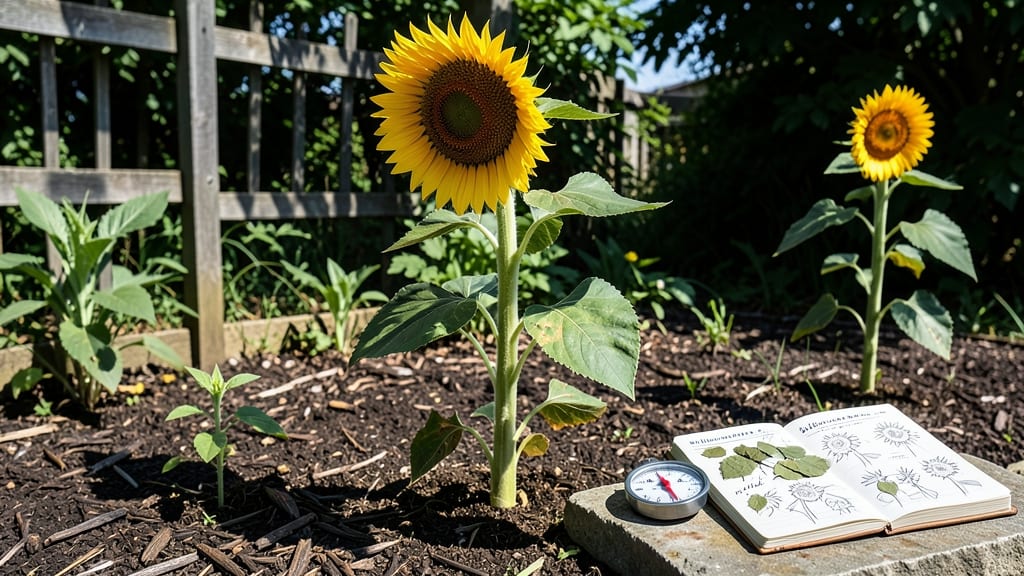
Sunflowers need sunlight to grow strong and tall 🌻—at least 6 hours of direct light daily, or they’ll stretch weak and pale.
If you’ve ever planted sunflowers expecting them to reach sky-high glory—only to watch them wilt into sad, stunted stalks—you’re not alone. Sunflowers are famously demanding when it comes to sunlight, but how much do they really need to thrive?
Too little light means fewer blooms, leggy stems, and a plant that struggles to support its own weight. The good news? With the right placement—like a south-facing spot in your garden—you can give them the full sun they crave and watch them grow into towering giants.
Below, I’ll break down exactly how much light sunflowers need, how to spot signs of deficiency, and what to do if your garden just isn’t sunny enough.

How many hours of sunlight do sunflowers need daily?
Sunflowers are sun worshippers—literally! These towering beauties thrive under bright, direct sunlight, but how much do they really need? The answer isn’t just about hours—it’s about intensity, timing, and seasonal shifts. If you’ve ever grown sunflowers that barely reached your waist, chances are they weren’t getting enough light.
Let’s break down the science and practical tips to help your sunflowers reach their full, sky-scraping potential.
Sunflowers are heliotropic, meaning their flower heads follow the sun’s movement from east to west. This behavior isn’t just charming—it’s a clue that they crave sunlight. While most gardeners assume "full sun" means "as much as possible," sunflowers have specific thresholds.
Skimping on light leads to weak stems, small blooms, and poor seed production. But too much? That’s a risk too, especially in scorching climates. Let’s explore the ideal sunlight range and how to measure it in your garden.
The minimum sunlight requirement for sunflowers is 6 hours of direct sunlight per day. This is the absolute baseline—any less, and you’ll struggle to grow healthy plants. However, the optimal range is 8 to 10 hours daily, especially for standard varieties like 'Mammoth Russian' or 'Autumn Beauty'.
These giants need every minute of sunlight to fuel their rapid growth and develop those iconic, towering stems.
But here’s the catch: sunlight isn’t just about duration—it’s about intensity. Morning sun is gentler, while afternoon sun can be intense and drying. In hot climates, sunflowers may need afternoon shade to prevent wilting, especially during their early growth stages.
Think of it like a sunburn risk for your plants! If your garden gets scorching afternoon sun, consider using shade cloth or planting near taller crops that provide natural shade.
Measuring sunlight in your garden is easier than you think. Use a sunlight tracker app or a simple DIY method: place a white piece of cardboard in your garden for a week and mark the shaded areas every few hours.
If more than 20% of the day is shaded, your sunflowers may struggle. For example, a north-facing garden in the Northern Hemisphere might only get 4-5 hours of direct sun, making it a poor spot for standard sunflowers unless you use dwarf varieties.
Seasonal adjustments are key, too. Sunflowers planted in early spring or late summer may not get consistent sunlight due to shorter days. In these cases, opt for fast-maturing varieties (like 'ProCut' or 'Sunrich') that can complete their life cycle before daylight shortens.
Alternatively, use grow lights for 4-6 hours daily to supplement natural light, though this is more common for indoor or greenhouse growing.
What happens when sunflowers don’t get enough sunlight? The signs are unmistakable: yellowing leaves, weak, spindly stems, and tiny, underdeveloped blooms. In extreme cases, they may not flower at all!
Over time, the plant’s energy goes into leaf production rather than stem growth, leaving you with a bushy but short sunflower. Conversely, too much sun without water can cause leaf scorch, where edges turn brown and crispy—a classic sign of heat stress.
To maximize sunlight exposure, plant sunflowers in the southernmost part of your garden (in the Northern Hemisphere) or the northernmost part (in the Southern Hemisphere). Avoid planting them under trees or near structures that cast long shadows.
If your space is limited, consider vertical gardening with trellises or tall containers to position the plants higher, where they can catch more light. Even a few extra inches can make a difference!
Pro tip: Sunflowers are self-pollinating, but they need energy to produce seeds. Without enough sunlight, they’ll focus on survival rather than reproduction. If you’re growing sunflowers for seeds or bird feed, prioritize the sunniest spot in your garden.
A well-lit sunflower can produce hundreds of seeds, while a light-deprived one might yield barely a handful. The difference is stunning—and worth the effort!
Signs your sunflowers aren’t getting enough sunlight (and how to fix it)
Sunflowers are sun worshippers—when they don’t get enough light, they’ll send you clear distress signals. If your stalks are leaning dramatically or blooms are tiny and sparse, your plants might be starving for sunlight.
Even yellowing leaves or weak stems can mean they’re struggling to photosynthesize properly. These signs often appear after just a few weeks of insufficient light, so acting fast is key.
Don’t assume your garden gets enough sun just because it’s bright outside. Morning shade from trees or afternoon shadows from buildings can add up to hours of lost sunlight. Even cloudy days can trick you—sunflowers need direct rays, not just ambient light.
If your plants are growing in containers, nearby structures might be blocking more light than you realize.
⚠️ callout-warning
✅ Relocate immediately to a south-facing spot with 6+ hours of direct sun. Even 1-2 hours more sunlight can make a dramatic difference in just 10 days.
✅ Prune obstacles—trim overgrown branches or remove nearby plants casting shade. A 3-foot clearance above sunflowers ensures full light exposure.
⚠️ Avoid quick fixes like reflective surfaces—sunflowers need direct sunlight, not just reflected light, which can stress plants.
Start by mapping your garden’s sunlight using a simple trick: Place a white board in different spots for a week and mark the hours it’s in shade. If your sunflowers are in partial shade, consider dwarf varieties like 'Teddy Bear' that tolerate 4-6 hours of light.
For taller varieties, rotate pots daily to ensure even exposure on all sides.
Soil health plays a surprising role too—compacted or nutrient-poor soil can’t support sunflowers even with adequate light. Amend with compost and sand to improve drainage, which helps roots absorb sunlight’s energy more efficiently. A pH test (aim for 6.0-7.0) can reveal hidden issues limiting growth.
If you’re dealing with new construction or permanent shade, try grow lights for 4-6 hours daily during critical growth stages. LED full-spectrum bulbs mimic sunlight best and won’t overheat your plants. Place them 12-18 inches above the foliage for optimal results.
Remember, sunflowers are fast growers—once they get the right conditions, they’ll bolt upright and burst into bloom in weeks. The key is consistency: 6+ hours daily of sunlight, well-draining soil, and proactive care will turn your sad stalks into sun-seeking superstars.