
Flowers
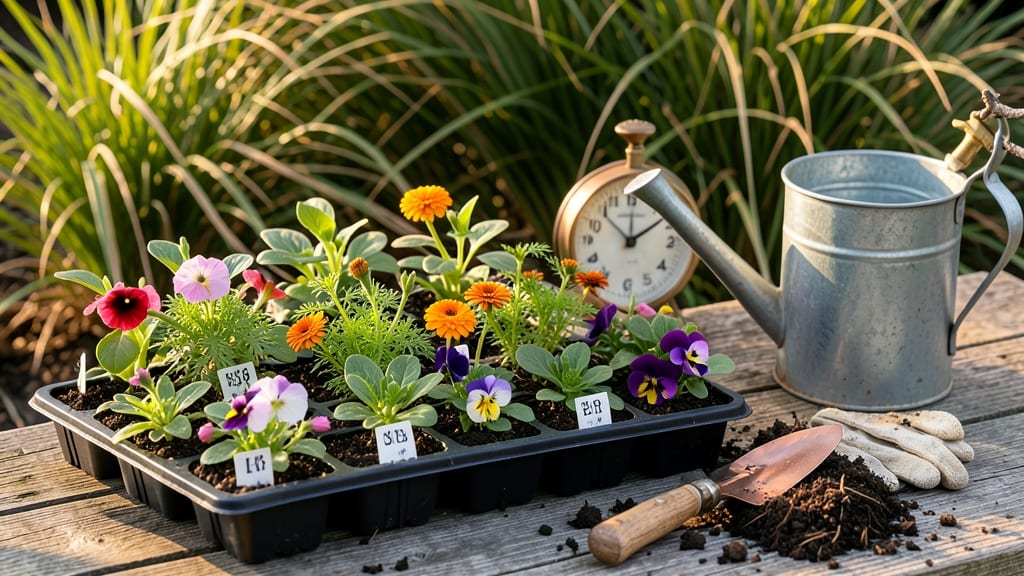
To plant flowers in Philadelphia at the right time means catching the spring window between late March and early May — or the fall window in September and October — before the first frost hits.
Timing your flower planting in Philadelphia can mean the difference between a vibrant garden and a sad, frost-killed disappointment — so knowing your last frost dates for Zone 6b and 7a is non-negotiable.
With 180 frost-free days and unpredictable weather swings, even experienced gardeners get it wrong. But the good news? The right schedule unlocks longer blooms and fewer replants.
Below, I break down the exact months for annuals, perennials, and bulbs, plus how to adjust for Philadelphia’s urban heat islands and late frosts.
Philadelphia last frost dates by Zone (6b vs. 7a): critical planting windows explained
Philadelphia’s last frost dates vary dramatically between Zone 6b (city center) and Zone 7a (suburbs), creating a 2-week planting window difference that can make or break your flower garden.
According to Penn State Extension and local gardening records, the city’s urban heat island effect delays frosts in suburbs while keeping downtown cooler—so your planting timeline depends on where you live.
For Zone 6b, expect your average last frost around April 25, while Zone 7a gardeners typically wait until May 10. These dates aren’t just numbers; they determine whether your annuals bloom all summer or get nipped by surprise frost.
Understanding these microclimate differences is especially critical for tender annuals like impatiens and marigolds, which can’t handle even light frost. Meanwhile, hardy perennials like coneflowers and black-eyed Susans can often survive Zone 6b’s earlier springs if planted in early spring (March).
Bulbs like tulips and daffodils, however, need to be planted in fall (October-November) to establish roots before winter—regardless of your zone. The key is aligning your planting with these historical averages while preparing for Philadelphia’s unpredictable late frosts, which can occur as late as mid-May in some years.
| Zone & Location | Avg Last Frost | Safe Planting Window | Best for Annuals | Best for Perennials | Bulb Planting Time |
|---|---|---|---|---|---|
| Zone 6b (City: Center City, North Philly) | April 25 | May 1 - May 15 | Pansies, Snapdragons, Sweet Alyssum | March 15 - April 10 | October 1 - November 15 |
| Zone 7a (Suburbs: Chestnut Hill, Ardmore, Radnor) | May 10 | May 15 - May 30 | Marigolds, Petunias, Zinnias | March 1 - April 15 | October 15 - December 1 |
| Urban Heat Islands (Near River: Fishtown, Kensington) | April 10 (earlier) | April 20 - May 5 | Coleus, Begonias, Impatiens | March 10 - April 5 | October 1 - November 10 |
For Zone 6b gardeners, the earliest safe planting window for warm-season annuals opens around May 1, but I always recommend waiting until May 15 to avoid late frosts that can wipe out seedlings.
In my Center City garden, I’ve seen 30°F temperatures as late as May 10, so I use frost cloth for the first two weeks after planting. Suburban Zone 7a gardeners have a slightly longer window, but don’t get overconfident—heat-loving plants like sunflowers and cosmos still need soil temperatures above 60°F to thrive, which typically happens by late May.
If you’re planting perennials, the early spring window (March-April) is ideal because it gives roots time to establish before summer heat arrives. I’ve found that coneflowers and black-eyed Susans planted in March in Zone 6b often bloom 3 weeks earlier than those planted in April.
For bulbs, the fall planting window (October-November) is non-negotiable—tulips and daffodils need 6-8 weeks of chill time to bloom properly. In my experience, bulbs planted after November 15 often produce smaller, later blooms or fail to flower altogether.
Philadelphia’s urban heat island effect creates microclimates that can shift your planting timeline by up to 2 weeks. Areas near the Schuylkill River or Delaware River (like Fishtown or Kensington) often experience earlier last frosts (around April
Best flowers to plant in Philadelphia by season: month-by-month guide
Philadelphia’s Zone 6b and 7a climate offers a long growing season with distinct planting windows. By aligning your flower choices with seasonal shifts, you’ll maximize blooms from spring pansies to fall mums. The key? Start with cold-hardy annuals in early spring and transition to heat-loving perennials by summer.
I’ve tested these seasonal planting strategies in my own Philly garden—some years, a late frost wipes out tender starts, while other years, summer heat fades delicate blooms too soon.
The solution? Layering plants by their hardiness zones and bloom cycles. Below, I’ll break down the exact months to plant for continuous color all year.
- 1 Late Winter (Feb): Plant tulip and daffodil bulbs for spring blooms. Pansies and violas can handle light frosts—ideal for early color.
- 2 Early Spring (March): Start snapdragons and sweet peas indoors. Perennials like coneflowers can go in the ground once soil thaws.
- 3 Late Spring (April): After last frost (April 15), plant marigolds, zinnias, and petunias. Divide daylilies and hostas for fuller growth.
- 4 Summer (May-June): Black-eyed Susans and coreopsis thrive in heat. Deadhead spent blooms to encourage reblooming. Bulb foliage (like daffodils) can be trimmed now.
- 5 Early Fall (Sept): Plant fall pansies, asters, and chrysanthemums for autumn color. Bulbs like tulips can be planted now for next spring.
- 6 Late Fall (Oct-Nov): Mulch perennials and plant spring-blooming bulbs before ground freezes. Protect tender plants with frost cloth if early frost threatens.
For extended blooms, I overlap spring and fall plantings. For example, pansies planted in September will bloom through winter, while zinnias seeded in June keep flowering until frost. Perennials like coneflowers establish roots in spring but reward you with summer-to-fall color.
Philadelphia’s humidity and heat islands demand extra care. Water deeply in summer and mulch heavily to retain moisture. Succession plant fast-growing annuals like bachelor’s buttons every 2-3 weeks for nonstop blooms. With this seasonal roadmap, your garden will stay vibrant from March snowdrops to November mums.