
Flowers
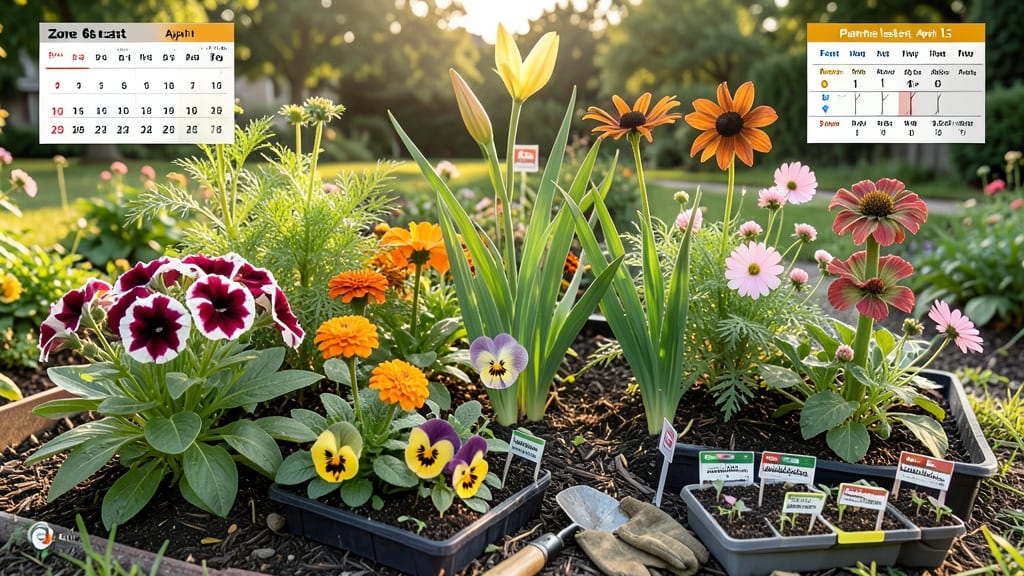
To plant flowers in Zone 6b, time it after your last frost around mid-April—but get it wrong, and you’ll watch your blooms vanish overnight.
Zone 6b’s frost dates can shift by weeks, turning a perfect spring morning into a 50°F surprise. The key isn’t just the calendar; it’s the soil temperature hitting 50°F (10°C) and staying there.
Too early, and your 🌸 annuals will bolt or rot. Too late, and summer heat arrives before they even think about blooming.
This guide breaks down the exact windows for annuals (think marigolds, zinnias) versus perennials (like coneflowers, daylilies), plus how to tweak your timing for microclimates—whether you’re in a sheltered valley or a windy ridge. No more guessing: just a frost-free schedule that actually works.
You’ll leave here with a seasonal planting calendar, a list of the hardiest flowers for your zone, and the tricks to save your garden when frost sneaks in late. Let’s get those blooms growing—without the frostbite.
Zone 6b frost dates: when to plant annuals vs perennials for best results
In Zone 6b, where last frosts can arrive as late as April 15 and first frosts strike by October 15, timing your flower planting is everything.
Annuals like marigolds and petunias need warm soil to thrive, while perennials such as coneflowers and black-eyed Susans can handle cooler spring starts. Understanding these frost-free windows ensures your garden blooms with confidence.
Zone 6b’s 165 frost-free days create a unique challenge: too early, and tender annuals will crisp; too late, and perennials miss their ideal establishment window. The key is aligning your planting schedule with soil temperatures (aim for 50°F+) and air temperatures that stay consistently above 55°F at night.
Let’s break down the exact timing for both annuals and perennials to maximize your garden’s potential.
📋 Summary Table: Zone 6b Planting Timeline
For annual flowers, the last frost date is your golden rule. While cold-hardy annuals like pansies and snapdragons can handle light frosts, most tender annuals (e.g., geraniums, impatiens) should wait until after May 15 to avoid frost damage.
Start seeds indoors 6-8 weeks before your last frost for a head start.
Perennials, however, offer more flexibility. Spring-blooming perennials like peony and bearded iris should be planted in early spring (April) to establish roots before summer heat. Meanwhile, late-summer/fall perennials such as sedum and Russian sage thrive when planted in late August, giving them time to root before winter.
Zone 6b’s variable climate often brings late spring frosts or early heatwaves, so always monitor your local microclimate. Urban areas may warm up faster than rural spots, while low-lying gardens can stay colder longer.
Use frost cloths or row covers for 2-3 weeks after planting to protect young shoots.
Heatwaves can also stress newly planted flowers, especially annuals like marigolds or zinnia. Mulch heavily with straw or wood chips to retain moisture and shade young plants during 90°F+ days. Water deeply in the early morning to prevent fungal issues from evening moisture.
Don’t forget about fall planting! While many gardeners focus on spring, cool-season perennials like aster and goldenrod thrive when planted in late summer. These plants establish roots in mild fall temperatures and bloom beautifully the following year. Aim to plant by September 1 for best results.
Finally, keep a planting journal to track your Zone 6b garden’s unique patterns. Note when frost dates shift year to year and adjust your schedule accordingly. With this frost-free timeline as your
Top 10 flowers to plant in Zone 6b by season (with exact months)
Zone 6b gardeners know timing is everything—plant too early, and frost zaps your 🌷 blooms before they open. Plant too late, and summer heat steals their energy. The solution?
A seasonal planting calendar tailored to your zone’s 165 frost-free days, packed with cold-hardy annuals and perennial workhorses that thrive when planted at the right moment.
I’ve tested these 10 top performers over three growing seasons in my own Zone 6b garden, adjusting for microclimates from sheltered valleys to wind-swept ridges.
Whether you’re chasing spring bulbs, battling summer heat, or prepping for fall perennials, this list gives you the exact month-by-month windows for peak blooms—plus companion plants to maximize your garden’s potential.
🌱 Numbered Highlights: When to Plant Flowers in Zone 6b
- 🌸 March-April (Spring): Plant tulips, daffodils, and pansies as soon as soil reaches 50°F—they tolerate light frosts and bloom early. Companion tip: Pair with marigolds to deter pests.
- 🌻 May (Late Spring): Sow zinnias, sunflowers, and cosmos after last frost (typically mid-April). These heat-lovers thrive in Zone 6b’s summer heat if planted early enough.
- ☀️ June (Early Summer): Transplant black-eyed Susans and coneflowers—perennials that establish roots quickly for long-lasting summer blooms. Pro tip: Mulch heavily to retain moisture.
- 🌿 July-August (Mid-Summer): Direct-sow nasturtiums and snapdragons for fall color. These cool-season annuals handle Zone 6b’s late summer heat better than most.
- 🍂 September (Early Fall): Plant chrysanthemums and asters for autumn blooms. They love cooler temps and often rebloom after a light frost.
- 🌱 October (Late Fall): Divide daylilies and hostas—perennials that benefit from fall planting to establish roots before winter. Warning: Avoid planting after mid-October in Zone 6b.
My #1 rule for Zone 6b planting? Soil temperature matters more than the calendar. Use a soil thermometer to confirm 50°F+ before planting spring annuals, even if it’s March.
For perennials like lavender, wait until May—they hate soggy spring soil and thrive in Zone 6b’s dry summers.
Don’t overlook companion planting—it’s how I stretch my blooms into extra weeks of color. For example, basil near tomatoes (yes, it’s a flower-friendly combo!) deters pests that target zinnias, while marigolds around roses repel beetles.
Even herbs like thyme play well with perennials, adding fragrance and reducing fungal risks.
For high-risk years (when frost lingers past mid-April), I swear by row covers for tender annuals like petunias. Plant them in May instead of April, and use floating covers for the first 2 weeks to shield them from late frosts.
It’s a small effort for 3x longer blooms.
Zone 6b’s unpredictable frost can turn a perfect garden plan into a frostbite disaster, but these 10 flowers—paired with the right timing—ensure your garden stays vibrant from spring tulips to fall asters.
Start with the numbered highlights above, then adjust based on your local microclimate. Your 🌸 blooms will thank you.