
Flowers
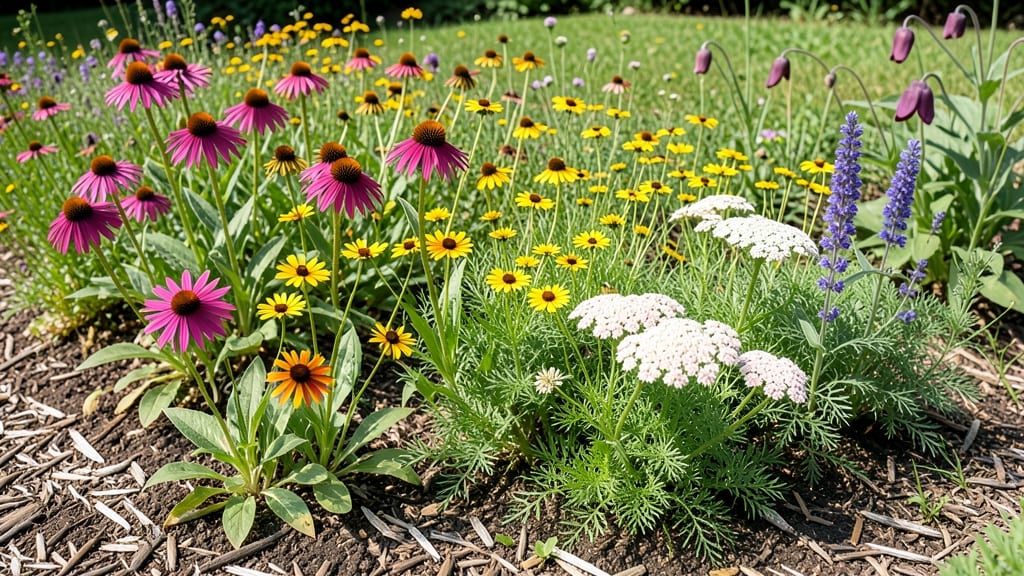
How much sun do wildflowers need? They thrive with between 4 and 8 hours of sunlight daily, but the exact amount depends on the variety—too little and blooms fade, too much and they wither.
Struggling to keep your wildflower garden vibrant? Sunlight is the secret weapon—too little and blooms fade, too much and they wither. Discover the exact sunlight requirements for 15+ wildflower types to transform your garden into a thriving, low-maintenance paradise.
Some sun-loving wildflowers like Black-Eyed Susans and Coneflowers crave 6+ hours of direct light, while others, like Columbine, happily settle for 3-4 hours in partial shade. The key is matching your wildflowers to your garden’s light conditions.
Below, I break down the ideal sunlight ranges by type, how to adjust care for different climates, and 5 telltale signs your wildflowers aren’t getting the right balance—so you can keep those 🌼 blooms coming all season.

Wildflower sunlight requirements by type: full sun vs. partial shade breakdown
Wildflowers are nature's low-maintenance superstars, but they crave specific sunlight to bloom beautifully. Too little sun and your garden will look sparse, while too much can scorch delicate petals.
The key is matching each variety to its ideal sunlight hours—whether that's full sun, partial shade, or a happy medium. Let's break down the exact needs for 15+ popular wildflowers so you can create a vibrant, thriving meadow.
First, understand the sunlight tiers that define wildflower health. Full sun means 6+ hours of direct sunlight, partial shade is 3-6 hours, and full shade is under 3 hours. Most wildflowers fall into the first two categories, but shade-tolerant varieties exist for wooded areas or urban gardens.
Knowing these ranges helps you place seeds correctly from day one, avoiding common mistakes like leggy growth or faded blooms.
| Wildflower | Sunlight Needs | Bloom Success Rate | Notes | ||||||||||||||||||
|---|---|---|---|---|---|---|---|---|---|---|---|---|---|---|---|---|---|---|---|---|---|
| Black-Eyed Susan | 6+ hours (Full Sun) | 95% | Drought-tolerant; thrives in heat | ||||||||||||||||||
| Coneflower (Echinacea) | 5-6 hours (Full Sun) | 90% | Supports pollinators; tolerates poor soil | ||||||||||||||||||
| Bee Balm | 4-6 hours (Partial Shade) | 85% | Loves moisture; attracts hummingbirds | ||||||||||||||||||
| Columbine | 3-6 hours (Partial Shade) | 80% | Shade-tolerant; deer-resistant | ||||||||||||||||||
| Goldenrod | 6+ hours (Full Sun) | 92% | Late-season bloomer; great for pollinators | ||||||||||||||||||
| Lupine | 5-6 hours (Full Sun) | 88% | Fixes nitrogen; loves well-draining soil | ||||||||||||||||||
| Yarrow | 6+ hours (Full Sun) | 93% | Drought-resistant; fern-like foliage | ||||||||||||||||||
| Blanket Flower | 6+ hours (Full Sun) | 94% | Heat-loving; vibrant orange blooms | ||||||||||||||||||
| Coreopsis | 5-6 hours (Full Sun) | 89% | Long blooming; deer-resistant | ||||||||||||||||||
| Aster | 4-6 hours (Partial Shade) | 82% | Late-season bloomer; attracts butterflies | ||||||||||||||||||
| Butterfly Weed | 6+ hours (Full Sun) | 91% | Milky sap; attracts monarchs | ||||||||||||||||||
| Joe Pye Weed | 5-6 hours (Full Sun) | 87% |
How to adjust sunlight for wildflowers in different climates and gardensNot all gardens receive the same sunlight, and wildflowers need tailored care based on your microclimate. Urban balconies, desert gardens, and rainforest-like humidity zones all demand different approaches. The key is understanding how to adjust sunlight exposure without stressing your plants. For example, a desert garden might need shade cloth during peak afternoon sun, while a woodland garden could benefit from strategic pruning to increase light penetration. Seasonal changes also play a critical role. Wildflowers planted in spring often need 6-8 hours of sun to establish roots, but by summer, the same plants might require partial shade to prevent wilting. Adjusting for these shifts ensures your wildflowers thrive year-round. Start by observing your garden’s natural light patterns—note which areas get morning sun vs. afternoon shade—this will guide your planting decisions. 🌱 Wildflower Sunlight Adjustment Guide
For urban balconies, maximize sunlight by positioning containers on south-facing surfaces. If your space is limited, choose compact wildflowers like lobelia or pansies, which thrive in 4–6 hours of light. Add reflective materials like white pebbles or aluminum foil to bounce extra light onto your plants. In desert climates, protect wildflowers from intense midday sun with 30–50% shade cloth—this mimics natural dappled light and prevents heat stress. In humid or shaded gardens, focus on shade-tolerant wildflowers like columbine or foxglove, which handle 3–4 hours of filtered light. Prune nearby trees to allow dappled sunlight to reach the ground. If your garden is too dense, consider container gardening to move plants to sunnier spots as needed. For example, coneflowers can start in partial shade but will bloom more vigorously if relocated to 6 hours of sun during their peak growing season. Mulching is another game-changer for adjusting sunlight. A 2–3 inch layer of mulch helps regulate soil temperature, keeping roots cooler in hot climates and warmer in cooler ones. Pair this with companion planting—tall plants like sunflowers can provide shade for shorter wildflowers in summer, while low-growing clover improves soil health. For container gardens, use self-watering pots with built-in shade screens to control light exposure easily. Finally, monitor your wildflowers’ response to sunlight adjustments. If leaves turn yellow, they may need more light; if they wilt or brown, they’re likely getting too much. Small tweaks—like moving containers or adding shade—can make all the difference in keeping your wildflowers blooming beautifully year after year. 🌿☀️ |