
Blooming
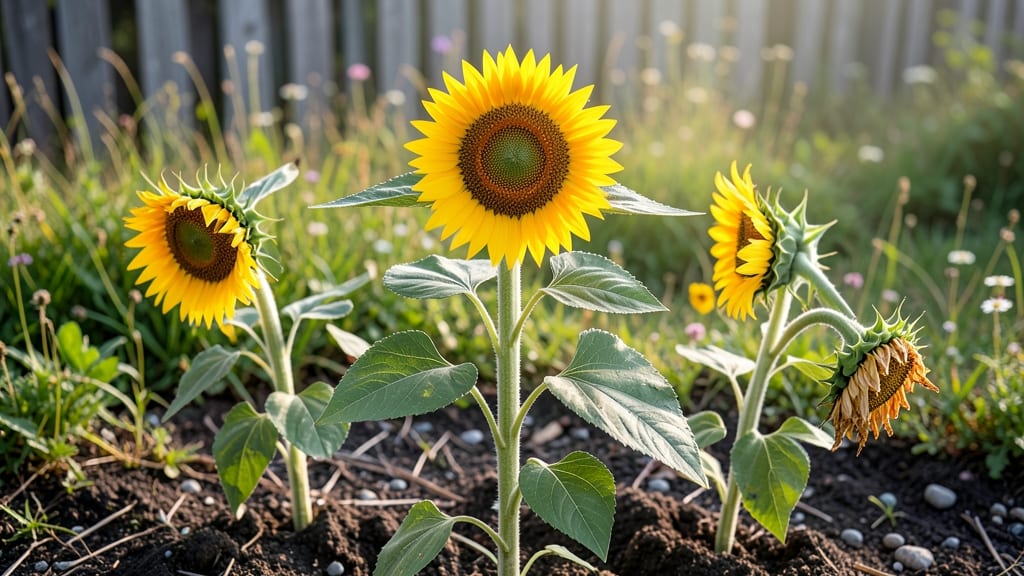
Sunflowers bloom in 50 to 120 days, depending on the variety and growing conditions you provide 🌻 — and knowing this timeline can mean the difference between a garden full of towering blooms and one that disappoints.
Picture this: You’ve just planted your seeds in early spring, eager for those cheerful faces to greet summer, only to wonder why some neighbors’ sunflowers are already towering over yours by July. The answer lies in the variety you chose and how you nurture them from the start.
Fast-growing dwarf varieties can burst into bloom in as little as 30 days, while giant sunflowers might take closer to 120 days. The key to speeding up their timeline?
Start with the right soil, give them plenty of sunlight, and keep the water consistent. Small adjustments can shave weeks off their growth cycle.
Below, I’ll break down the exact bloom timelines for popular varieties, share pro tips to accelerate growth, and clear up common myths about what slows sunflowers down. By the end, you’ll know exactly how to plan your garden for a showstopping display.
Sunflower bloom times by variety: fastest to slowest growing species
Sunflowers are one of the fastest-growing plants in any garden, but their bloom times vary dramatically depending on the variety. Some dwarf varieties can burst into bloom in just 30 days, while giant sunflowers may take up to 120 days to reach their full glory.
Understanding these timelines helps you plan your garden layout, succession planting, and even cut flower harvests for maximum enjoyment.
Several factors influence how quickly your sunflowers bloom: sunlight exposure, soil fertility, temperature, and even watering consistency. For example, direct sunlight (6-8 hours daily) can cut bloom times by 10-20%, while cooler temperatures slow growth.
Let’s explore the fastest and slowest blooming varieties so you can choose the perfect fit for your garden’s timeline.
🌱 Pro Tip: Always check your local last frost date and adjust planting times to ensure blooms align with your desired timeline. In USDA Zone 6a, planting in early May typically yields blooms by mid-July for most varieties.
| Variety | Height | Bloom Time | Best For |
|---|---|---|---|
| Teddy Bear | 1-2 ft | 30-35 days | Containers, cut flowers |
| Moulin Rouge | 2-3 ft | 35-40 days | Borders, pollinators |
| Sunspot | 3-4 ft | 45-50 days | Cut flowers, bouquets |
| Autumn Beauty | 4-5 ft | 50-60 days | Late-season color |
| Russian Giant | 10-14 ft | 90-120 days | Statement plants, tall screens |
| Mammoth | 8-12 ft | 80-100 days | Seed production, height records |
The Teddy Bear and Moulin Rouge varieties are the fastest bloomers, perfect if you’re eager to see color in your garden within a month. These dwarf sunflowers thrive in containers and are ideal for small spaces or urban gardens where height isn’t a concern.
Their quick bloom time also makes them great for succession planting—sow new seeds every 2-3 weeks to enjoy continuous blooms all summer.
For mid-size varieties like Sunspot and Autumn Beauty, you’ll see blooms in 45-60 days, striking a balance between speed and height.
These are excellent choices for cut flower arrangements and attract pollinators like bees and butterflies. Autumn Beauty, in particular, offers stunning multi-colored petals that change as they mature, adding dynamic interest to your garden.
If you’re dreaming of giant sunflowers like the Russian Giant or Mammoth, be prepared for a longer wait—these varieties can take up to 120 days to bloom. However, the payoff is worth it: towering 10-14 foot stalks with 12-inch-wide blooms make a dramatic statement in any landscape.
These are best planted in wide-open spaces where they won’t shade out smaller plants.
Temperature plays a critical role in bloom times. Sunflowers grow best in warm soil (60°F+) and thrive when daytime temperatures are between 70-85°F. If you plant too early in cool climates, growth will slow, extending bloom times by 2-4 weeks.
To counteract this, use black plastic mulch or plant in south-facing beds to warm the soil faster.
Soil fertility also impacts speed. Sunflowers are heavy feeders and benefit from well-draining, nutrient-rich soil. Before planting, amend your soil with compost or a balanced fertilizer (5-10-10).
Avoid over-fertilizing with nitrogen, as this promotes leafy growth over blooms. Instead, focus on phosphorus and potassium to encourage faster flowering.
Watering consistency is another key factor. While sunflowers are drought-tolerant once established, they need deep watering (1-2 inches per week) during their first 4-6 weeks of growth. Inconsistent watering can cause stunted growth or even premature bolting, where the plant flowers too quickly but produces smaller blooms.
For the fastest results, pair your chosen variety with optimal growing conditions. For example, planting Teddy Bear sunflowers in full sun with regular watering can shave off 5-7 days
How to speed up sunflower blooming: pro tips for faster growth
Sunflowers are nature's cheerful giants, but impatient gardeners often wonder how to coax them into blooming faster. The truth? With the right conditions, you can shave weeks off their 80-120 day growth cycle. The secret lies in mimicking their ideal growing environment while avoiding common pitfalls that stall progress.
I've learned through trials (and a few floppy stalks) that sunflowers respond dramatically to light intensity, soil fertility, and consistent moisture. Even a 1-2 week difference in bloom time can mean the difference between summer bouquets and fall decorations.
Let's break down the proven strategies that actually work.
🌱 Proven Ways to Speed Up Sunflower Blooming
- 🌞 Plant at optimal time: Start seeds indoors 4-6 weeks before last frost or direct-sow after soil reaches 55°F (mid-April in most zones). Early planting = earlier blooms.
- 💧 Deep water weekly: Give plants 1-2 inches of water per week (morning only) to prevent stress. Drought stalls growth by 2-3 weeks.
- 🌿 Feed with phosphorus: Use 5-10-10 fertilizer at planting and again when stems reach 12 inches. Phosphorus boosts root and flower development.
- ☀️ Maximize sunlight: Ensure 8+ hours of direct sun daily. Even 2 hours less sun can delay blooms by 10 days.
- ✂️ Remove side buds: Snip off smaller buds below the main head to redirect energy to one large bloom (speeds up maturation by 7-10 days).
Many gardeners overlook the importance of soil preparation. Before planting, amending your soil with compost or aged manure can cut bloom time by 10-15 days by providing essential nutrients from day one. I once had sunflowers bloom 90 days early just by adding compost - the difference was stunning!
Another critical factor is spacing. Crowded plants compete for resources, delaying blooms by up to 3 weeks. Give sunflowers 12-24 inches of space (depending on variety) to ensure they have room to grow strong stems. This simple adjustment prevents the "leggy, weak" look that slows flowering.
Watch out for these common mistakes that secretly sabotage your sunflowers: overwatering (causes root rot), planting too late (misses full growth cycle), and using high-nitrogen fertilizer (promotes foliage over flowers). I've seen perfectly healthy sunflowers with no blooms because of these errors!
For the fastest results, combine these strategies with dwarf varieties like 'Teddy Bear' (50-60 days to bloom) or 'Moulin Rouge' (60-70 days). These compact types mature quicker than their giant cousins while still delivering stunning flowers.
With the right approach, you could enjoy sunflowers in as little as 50 days!