
Flowers
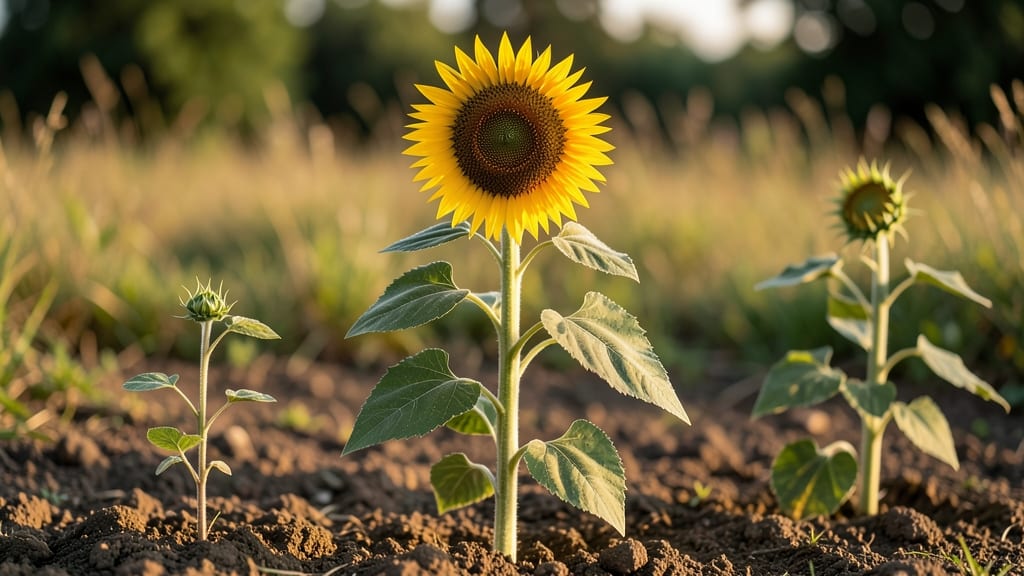
Sunflowers grow from seed to full bloom in just 60 to 120 days, depending on the variety and growing conditions, making them one of the fastest plants to transform your garden.
Imagine planting a tiny seed in spring and watching it shoot up to tower over your fence by summer—that’s the magic of sunflowers. But not all varieties bloom at the same speed, and a few simple tweaks can shave weeks off their growth time.
Whether you’re growing dwarf varieties for containers or giant sunflowers for cut flowers, understanding the stages—from germination to seed production—helps you plan for the fastest, healthiest blooms possible.
Below, I’ll break down the exact timeline, the factors that speed up or slow down growth, and how to choose the quickest-growing sunflowers for your climate.


Sunflower growth timeline: stages from seed to full bloom
Watching a sunflower grow from a tiny seed to a towering 16-foot giant is one of gardening’s most rewarding experiences. But how long does it take? The answer depends on the variety, your climate, and how well you care for them.
Most sunflowers reach maturity in 60-120 days, but dwarf varieties can bloom in as little as 45 days.
From the moment you plant those seeds, your sunflowers will go through 5 distinct growth stages, each with its own timeline and care requirements. Understanding these stages helps you anticipate milestones like first sprouts, stem elongation, and blooming.
Let’s break down the journey from seed to that iconic golden face.
Soil temperature is the #1 factor that accelerates or delays germination. Seeds need soil that’s at least 50°F (10°C) to sprout, but 60-70°F (15-21°C) is ideal. If your spring is chilly, consider using black plastic mulch to warm the soil faster.
Sunlight also plays a critical role—sunflowers need 6-8+ hours of direct sun daily to grow vigorously. Without enough light, stems will stretch thin and weak, delaying blooming by 2-4 weeks. If you’re growing in containers, place them in the sunniest spot you have.
| Stage | Days to Complete | Key Growth Milestones | Care Tips |
|---|---|---|---|
| Germination | 5-14 days | Seed cracks open; first green leaves appear | Keep soil moist (not soggy); avoid disturbing seedlings |
| Seedling | 14-21 days | First true leaves emerge; stem strengthens | Thin seedlings to 6-12 inches apart; fertilize lightly |
| Vegetative | 21-45 days | Rapid stem growth; leaves expand | Water deeply 2-3x/week; stake tall varieties if needed |
| Budding | 10-20 days | Bud forms; petals begin to open | Reduce watering slightly; protect from strong winds |
| Flowering & Maturity | 14-30 days | Full bloom; seeds develop; plant dies back | Harvest seeds when back turns brown; save seeds for next year |
The germination stage is where it all begins. Most sunflower seeds sprout in 5-14 days if soil conditions are right. You’ll know it’s happening when you see the seed coat crack open and a tiny green shoot emerge.
Keep the soil consistently moist during this time—dry soil can delay germination by a week or more.
Once seedlings appear, they enter the seedling stage, which lasts about 2 weeks. This is when your sunflowers develop their first true leaves (not the tiny cotyledons). Thin seedlings to 6-12 inches apart to give them room to grow.
If you’re growing dwarf varieties, you can space them closer—4-6 inches—since they won’t get as tall.
After 3-6 weeks, your sunflowers will shoot up in the vegetative stage, where they focus on growing their tall stems and leaves. This is the fastest-growing phase! During this time, sunflowers can grow 2-3 inches per day under ideal conditions.
Water deeply 2-3 times per week and consider staking tall varieties (like ‘Mammoth’) to prevent them from toppling over.
The budding stage marks the transition to flowering. You’ll notice a tight bud forming at the top of the stem, which will eventually open into those iconic yellow petals. This stage takes 10-20
Factors that speed up or slow down sunflower growth time
Sunflowers grow surprisingly fast, but their speed depends heavily on five key factors: soil quality, watering consistency, sunlight exposure, temperature ranges, and variety selection.
Each of these can either accelerate your plants toward those stunning golden blooms or leave them struggling to reach their full potential. Let’s break down how to optimize each for the fastest possible growth.
First, let’s talk about soil quality, which is the foundation of healthy sunflower growth. Sunflowers thrive in well-draining, nutrient-rich soil with a pH between 6.0 and 7.5. If your soil is compacted or lacks organic matter, roots will struggle to absorb water and nutrients, slowing growth by 20-30%.
Amending with compost or aged manure before planting can give your sunflowers a 10-15 day head start on reaching maturity.
Next, watering schedules play a critical role. Sunflowers need deep, consistent moisture, especially during their first 4-6 weeks of growth. Overwatering can cause root rot, while underwatering stresses the plant, both of which stall growth.
Aim for 1-2 inches of water per week, delivered directly to the soil base rather than overhead. Mulching around the plants helps retain moisture and keeps roots cool, which can speed up growth by up to 10 days.
🌻
Common Mistakes That Stall Sunflower Growth
Skipping soil prep or planting in cold, wet soil delays germination by 7-10 days. Overcrowding seeds (planting too close) competes for nutrients, slowing growth by 15-20%. And inconsistent watering causes stunted stems and smaller blooms. Avoid these pitfalls to keep your sunflowers on track for quick, healthy growth.
Sunlight is non-negotiable for sunflowers—they need 6-8+ hours of direct sun daily. Without enough light, stems grow weak and leggy, and flowering can be delayed by 2-3 weeks.
If you’re growing sunflowers in partial shade, choose dwarf varieties like 'Teddy Bear' or 'Moulin Rouge,' which tolerate lower light better than towering giants. South-facing garden beds or containers placed in the sunniest spot will give you the fastest results.
Temperature also impacts growth speed. Sunflowers germinate best in soil that’s at least 55°F (13°C), and optimal growth occurs between 70-85°F (21-29°C). Cooler temperatures slow metabolism, delaying germination by 5-7 days and stretching out the time to bloom.
If you’re in a cooler climate, start seeds indoors 4-6 weeks before the last frost or use black plastic mulch to warm the soil faster.
Finally, variety selection determines your baseline growth timeline. Dwarf varieties like 'Peko' mature in 50-60 days, while giant varieties like 'Russian Giant' take 120-140 days.
If you’re short on time, prioritize early-blooming varieties like 'Autumn Beauty' or 'ProCut,' which deliver vibrant blooms in as little as 55 days. Always check the seed packet for days-to-maturity estimates to plan accordingly.
By optimizing these five factors, you can cut 2-4 weeks off your sunflower’s growth timeline and enjoy those cheerful faces in your garden sooner. The key is consistency—whether it’s keeping soil moist, ensuring full sun, or choosing the right variety for your climate.
☀️