
Propagation
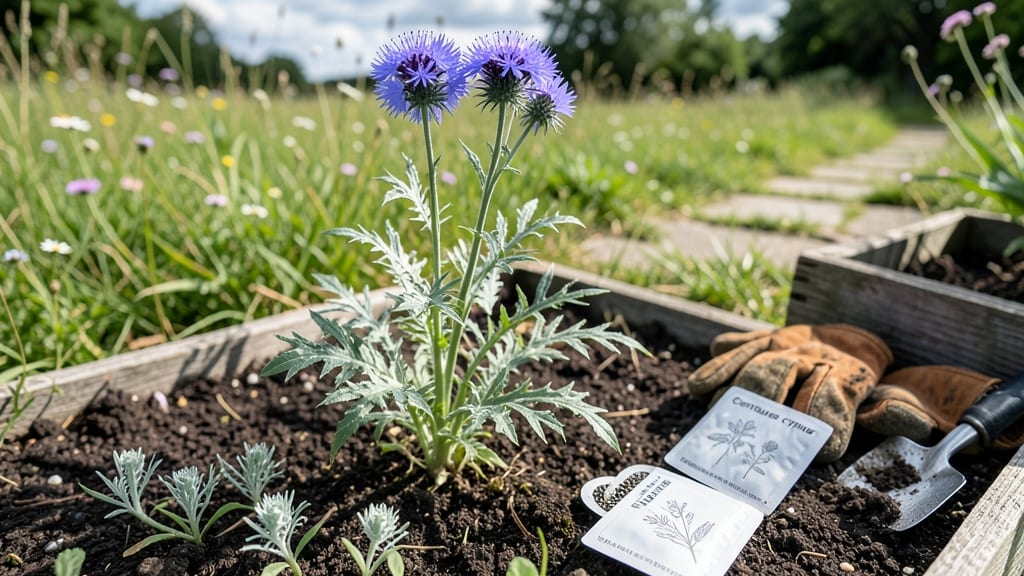
Growing cornflowers from seed takes about 60 to 90 days to reach their stunning blooms, depending on the variety and growing conditions.
Wondering when those delicate 🌸 cornflower blooms will finally brighten your garden? The answer depends on the variety—and getting it right means timing your planting perfectly for stunning summer color.
Most gardeners plant cornflowers in early spring, around March to April, when soil temperatures are warm enough to encourage quick germination. But if you're eager to see those vibrant blue, pink, or white flowers, you'll want to know exactly what to expect from seed to bloom.
In this guide, I’ll break down the exact growth timeline, from those first sprouts popping through the soil to the day your garden transforms into a sea of cheerful flowers—plus the key factors that can speed up or slow down the process.


Cornflower growth timeline from seed to bloom by popular varieties
Cornflowers are a gardener’s dream—easy to grow, drought-tolerant, and packed with vibrant blooms that attract pollinators. But how quickly they grow from seed depends on the variety and growing conditions.
Most cornflowers bloom in 60–90 days from sowing, but some varieties like 'Blue Horizon' can surprise you with flowers in just 50–60 days under ideal conditions.
The key to predicting your cornflower’s timeline lies in understanding three critical stages: germination, seedling growth, and flowering. Each variety has its own pace, influenced by factors like soil temperature, sunlight exposure, and watering consistency.
Let’s break down the exact days you can expect for popular types, so you can plan your garden for maximum impact.
🌱 Germination typically takes 7–14 days in warm soil (60–70°F). Cooler temperatures or damp soil can delay this stage by 3–5 days. Once sprouted, seedlings need 6–8 hours of sun daily to avoid leggy growth. Varieties like 'Black Ball' often germinate faster than 'White Queen', which may take an extra 2–3 days to crack through the soil.
| Variety | Germination (Days) | Seedling to Flower (Days) | Total Days to Bloom | Height (ft) | Notes |
|---|---|---|---|---|---|
| Blue Horizon | 7–10 | 45–55 | 50–60 | 1.5–2.5 | Fastest bloomer; drought-tolerant |
| Black Ball | 10–14 | 50–60 | 60–75 | 2–3 | Darkest blooms; needs consistent moisture |
| White Queen | 9–12 | 55–65 | 65–75 | 2–2.5 | Delicate petals; prone to bolting in heat |
| Carnegie | 12–16 | 60–70 | 75–85 | 2.5–3 | Tallest variety; needs staking |
| Blue Star | 10–14 | 50–60 | 60–75 | 1.5–2 | Perennial; self-seeds aggressively |
Once your cornflowers sprout, the seedling stage lasts 2–3 weeks, during which they develop their first true leaves. This is when thinning seedlings becomes critical—space them 6–12 inches apart to prevent competition.
Varieties like 'Blue Horizon' grow more compactly, so you can thin them closer to 6 inches, while taller types like 'Carnegie' need the full 12 inches to avoid flopping.
The flowering stage
How to speed up or slow down cornflower germination and growth
Cornflowers are resilient plants, but their growth speed depends entirely on your care routine. Warm soil temperatures and consistent moisture can accelerate germination from 7 to 14 days to just 5–7 days.
Conversely, cool soil or overwatering can double that timeline. Understanding these triggers lets you control blooming schedules for seasonal displays.
For fastest germination, aim for soil temps between 60–75°F (15–24°C). Use a seedling heat mat if planting early in cool climates. This shaves off critical days before seedlings emerge. If you're starting seeds indoors, transplant outdoors only after nighttime temps stay above 50°F (10°C) to avoid stunted growth.
⚠️ callout warning ⚠️
Overwatering seeds is the #1 reason for rot before sprouting. Cornflower seeds need moist but not soggy soil. Mist lightly every 2–3 days instead of soaking. Once sprouted, reduce to every 5–7 days to prevent fungal diseases.
💧 Pro Tip: Use a spray bottle for gentle moisture—never a heavy stream.
Sunlight is another speed controller. Cornflowers thrive in full sun (6+ hours daily), which boosts growth by 30% compared to partial shade. If your garden lacks sun, consider container growing on a sunny patio or use grow lights for 12 hours/day indoors.
Shade delays flowering by 2–3 weeks.
Spacing also affects growth timing. Crowded seedlings compete for nutrients, slowing development. Thin to 12–18 inches apart once they reach 2–3 inches tall. This gives roots room to establish, leading to stronger stems and earlier blooms.
If you're impatient, hand-pollinate flowers by gently brushing stamens with a paintbrush to encourage faster seed set.
For slower, more controlled growth, reduce watering slightly and place plants in partial shade. This extends the vegetative stage (leafy growth) by 10–14 days, creating bushier plants with longer-lasting blooms. Just avoid extreme drought—cornflowers are drought-tolerant but not drought-proof.
Finally, fertilizer timing matters. Use a balanced 5-10-10 fertilizer only after germination (not before). Over-fertilizing seeds causes chemical burns and stunted growth. Feed lightly every 4–6 weeks during the growing season to maintain vibrant blooms without leggy stems.