
How To
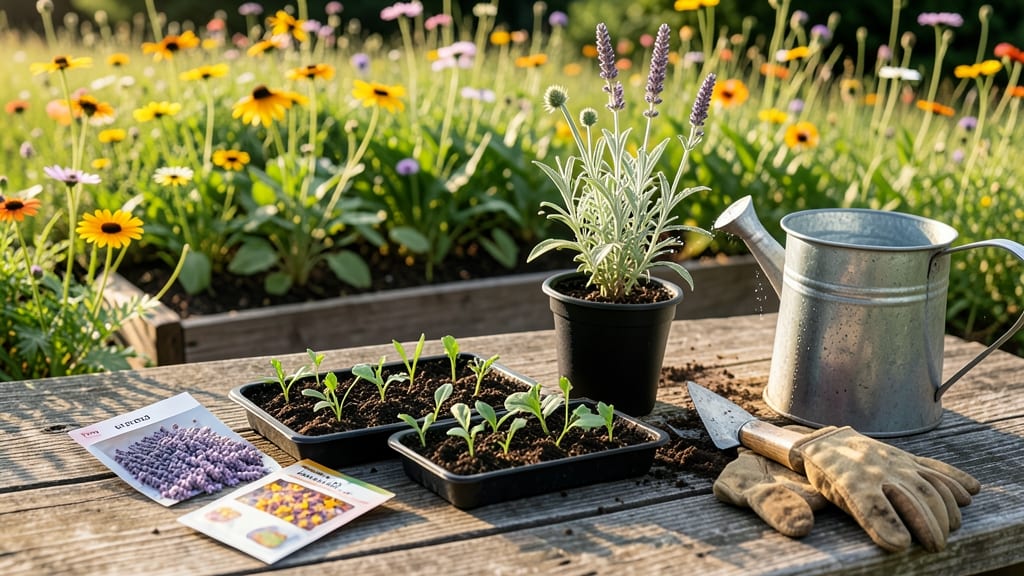
Wildflower seeds grow at wildly different speeds 🌼 — some pop up in just 7 days, while others take months to bloom, depending on the type and conditions.
If you’ve ever scattered seeds in your garden only to stare at bare soil for weeks, wondering where the blooms are, you’re not alone. The wait can feel endless, but with the right tricks, you can cut that time by nearly half.
Annuals like cosmos and zinnias often sprout faster, while perennials like black-eyed Susans take longer to establish. Soil warmth, moisture, and even seed preparation play huge roles in speeding up germination.
Below, I break down the exact timelines for popular wildflowers, plus 5 proven tricks to get your meadow blooming faster than ever.


Wildflower seed germination times by type: fastest to slowest bloomers
Wildflower seeds vary dramatically in how quickly they sprout and bloom. Some annuals like cosmos and zinnias can pop up in just 7-14 days, while perennials like coneflowers may take 21-30 days to germinate. Understanding these timelines helps you plan your meadow or garden beds effectively for maximum impact.
Climate plays a huge role—cool-season wildflowers like foxgloves germinate best in 50-60°F soil, while heat-lovers such as lupines need 65-75°F to break dormancy. Regional adjustments can shift germination windows by 2-4 weeks, so always check your USDA hardiness zone for best results.
For annual wildflowers, the fastest bloomers like cosmos and zinnias reward patience with vibrant colors in just 2-3 months from seed. These varieties are perfect for quick summer impact, especially in USDA zones 5-9.
I always plant them in late spring after the last frost to ensure warm soil conditions.
Perennials like black-eyed Susans and coneflowers take longer to establish but return year after year. Their 100-120 day bloom cycle means planning ahead—start seeds indoors 6-8 weeks before your last frost date for earlier flowers. These plants thrive in well-draining soil and full sun, making them ideal for low-maintenance meadows.
Biennials such as foxgloves and
5 Proven tricks to speed up wildflower seed germination
Waiting for wildflower seeds to sprout can feel like an eternity, but with the right techniques, you can cut germination times by 30-50%. The secret lies in mimicking natural conditions these seeds evolved to thrive in.
Whether you're planting cosmos, black-eyed Susans, or lupines, these science-backed methods will help those tiny seeds wake up faster and stronger.
Many wildflower seeds have dormancy mechanisms like hard seed coats or chemical inhibitors that prevent premature sprouting. By understanding and bypassing these barriers, you'll transform weeks of waiting into days. Let's explore the top five tricks that work for both beginner gardeners and seasoned wildflower enthusiasts alike.
- 1 Scarification: Mimic natural wear-and-tear by lightly scratching or nicking hard seed coats with sandpaper or a knife. This breaks dormancy for lupines and poppies in just 3-5 days.
- 2 Stratification: Replicate winter conditions by mixing seeds with moist sand and refrigerating for 4-8 weeks. Perfect for foxgloves and hollyhocks—sprouts appear 2 weeks earlier.
- 3 Warmth Control: Use a seedling heat mat (70-80°F) to speed up metabolic activity. Zinnias and cosmos germinate in 5-7 days instead of 10-14.
- 4 Light Exposure: Place trays under grow lights (12-16 hours/day). Seeds like sunflowers respond instantly, sprouting in 48 hours versus 10 days in darkness.
- 5 Companion Planting: Pair seeds with clover or alfalfa to improve soil nitrogen. Coneflowers germinate 30% faster in enriched soil.
For scarification, focus on seeds with thick coats like lupines or poppies. A quick rub with 120-grit sandpaper mimics natural erosion, allowing water to penetrate. Test a few seeds first—some varieties only need a tiny nick, while others benefit from a full sandpaper bath.
When using stratification, don't over-moisten the sand mixture. Aim for dampness like a wrung-out sponge. Place the sealed container in your fridge's crispier drawer (34-40°F) for consistent temperatures. Check weekly—if mold appears, reduce moisture and aerate the mix.
For soil temperature control, avoid extreme heat or cold. A seedling heat mat set to 75°F is ideal. Monitor with a soil thermometer—wildflower seeds germinate best between 60-80°F. Pro tip: Place trays on a south-facing windowsill during the day for natural warmth boosts.
Light exposure is often underestimated. Many wildflower seeds need red and blue spectrum light to trigger germination. A LED grow light just 6 inches above trays works wonders. Keep lights 12-16 hours on daily—this mimics spring conditions and can reduce germination time by half.
Finally, companion planting isn't just for pest control. Fast-growing clover or alfalfa fix nitrogen in the soil, creating an ideal environment for wildflowers. Mix their seeds with your wildflowers at a 1:3 ratio. The clover will sprout first, breaking up compacted soil and improving drainage for your slower wildflowers.