
How To
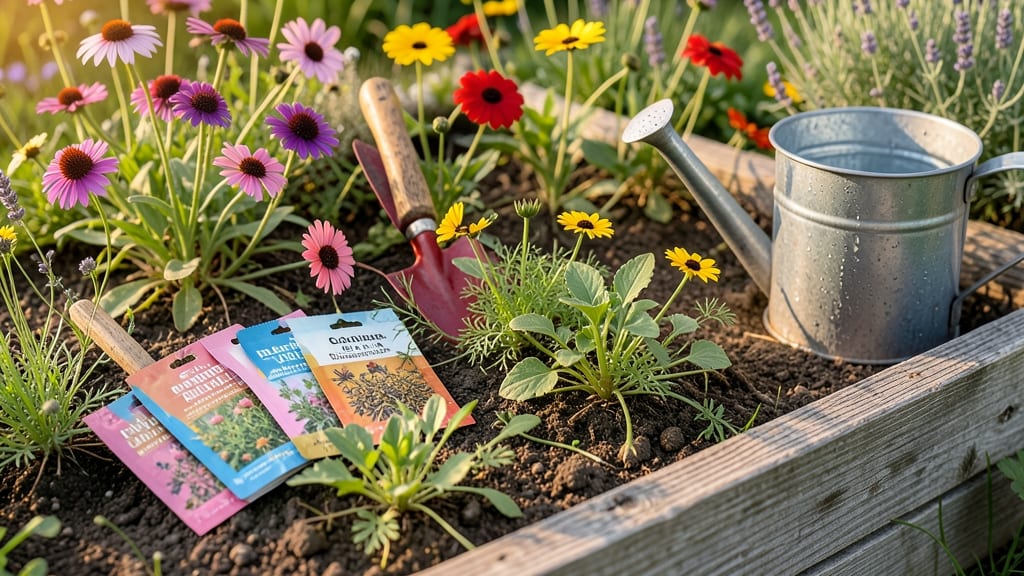
How fast do wildflower seeds grow can be a thrilling surprise—some species burst into bloom in as little as 30 days, while others take months to reveal their vibrant colors.
Picture this: you scatter seeds in early spring, dreaming of a vibrant meadow by summer, only to wonder why nothing’s sprouted yet. The truth? Growth timelines vary wildly depending on the type of wildflower 🌼 and your local conditions.
Fast-growing varieties like cosmos or bachelor’s buttons can pop up in weeks, while perennials like coneflowers take longer to establish. Soil quality, sunlight, and even rainfall play a huge role in how quickly those first green shoots appear.
In this guide, I’ll break down the exact growth speeds for popular wildflowers, plus pro tips to help you coax faster blooms—no matter your climate or experience level.


Wildflower seed germination and growth speed by fastest species
If you're eager to see color in your garden ASAP, some wildflower species deliver stunning blooms in as little as 4-6 weeks after planting. These speedy growers like cosmos and bachelor's buttons are perfect for instant meadows or filling gaps in your landscape.
The key to their rapid growth lies in their fast germination rates and low-maintenance nature, making them ideal for both beginner and experienced gardeners.
Under ideal conditions—warm soil temperatures (60-75°F), full sun exposure, and consistent moisture—these wildflowers can go from seed to bloom in record time. However, in average climates with cooler temperatures or partial shade, expect timelines to stretch by 2-4 weeks.
Let’s break down the fastest species and their growth timelines so you can plan your garden with precision.
| Wildflower Species | Germination Time (Days) | Time to Bloom (Ideal Conditions) | Time to Bloom (Average Climate) | Height at Maturity | Sunlight Needs |
|---|---|---|---|---|---|
| Cosmos | 5-10 | 4-6 weeks | 6-8 weeks | 2-4 ft | Full sun |
| Bachelor's Buttons (Cornflower) | 7-14 | 6-8 weeks | 8-10 weeks | 1-3 ft | Full sun to partial shade |
| Black-Eyed Susan | 10-21 | 8-10 weeks | 10-12 weeks | 2-3 ft | Full sun |
| Zinnia | 5-10 | 6-8 weeks | 7-9 weeks | 1-4 ft | Full sun |
| Sunflower (Dwarf Varieties) | 7-14 | 8-10 weeks | 10-12 weeks | 1-3 ft | Full sun |
For the fastest results, cosmos and zinnia are my top picks—they germinate in just 5-10 days and bloom in under 2 months under ideal conditions. These annual wildflowers are also incredibly resilient, thriving in poor soil and requiring minimal water once established.
If you’re planting in spring, aim for mid-March to early April to maximize their growth potential before summer heat sets in.
To accelerate germination, I recommend pre-soaking seeds overnight in lukewarm water for 12 hours. This trick works especially well for bachelor's buttons and black-eyed Susans, which can take slightly longer to sprout.
After sowing, keep the soil consistently moist but not soggy, and place a lightweight row cover over the area to retain warmth and humidity. This can shave off 1-2 weeks from their germination time.
Once your wildflowers have sprouted, focus on providing full sun exposure (at least 6 hours daily) to keep them on track for rapid blooming. Thin seedlings to 12-18 inches apart to prevent overcrowding, which can
How climate and soil conditions dramatically change wildflower growth rates
Wildflower seeds don't follow a one-size-fits-all timeline—they're far more sensitive to their environment than you might think. Temperature swings of just 10°F can double or halve germination speed, while soil moisture differences between sandy and clay soils create a 3-week growth gap for the same species.
Even sunlight exposure shifts can turn a 6-week bloom cycle into a 10-week wait.
Let's say you're growing cosmos seeds—normally they sprout in 7-14 days under ideal conditions. But in cooler climates (like USDA Zone 5), those same seeds might take 3-4 weeks just to crack through the soil.
Meanwhile, in hot, dry regions (Zone 9+), they'll germinate in just 5-7 days but may bolt to flower too quickly unless you adjust your care routine.
That's why understanding these four key factors—temperature, sunlight, soil type, and moisture levels—isn't just helpful, it's essential for planning your meadow. The right conditions can give you blooms 4-6 weeks earlier than average timelines suggest, while poor conditions might delay your dream garden by months.
🌱 Wildflower Growth Accelerators
🌡️ Temperature
Ideal: 65-75°F for germination
Too cold? Use seedling mats or plant in spring
☀️ Sunlight
Minimum: 4-6 hours/day for fast growth
Too little? Use reflective mulch to boost light
💧 Moisture
Keep soil consistently moist (not soggy)
Dry soil? Water deeply 2x/week in summer
🌿 Soil Type
Best: Loamy, well-draining soil
Heavy clay? Amend with compost/sand mix
For example, lupine seeds—which normally take 21-30 days to germinate—can sprout in just 10 days if you pre-soak them overnight and plant in warm, sandy soil with consistent moisture. The same seeds in cool, compacted clay might take 6-8 weeks, and some may never emerge at all.
This is why I always recommend testing your soil's drainage before planting wildflower mixes.
Here's my pro tip: If you're in a shady microclimate (like under trees), choose species like columbine or foxglove that tolerate lower light. These will grow 30% slower than sun-lovers but still produce stunning blooms.
For sunny areas, black-eyed Susans and coreopsis will reward you with faster growth when given proper care.
Remember, even the hardiest wildflowers need consistent moisture during their first 2-3 weeks. I've seen entire seed batches fail because gardeners assumed "wild" meant "low-maintenance"—nothing could be further from the truth.
A light misting twice daily during germination makes all the difference in transforming a 5-week growth cycle into a 3-week one. 🌿