
Blooming
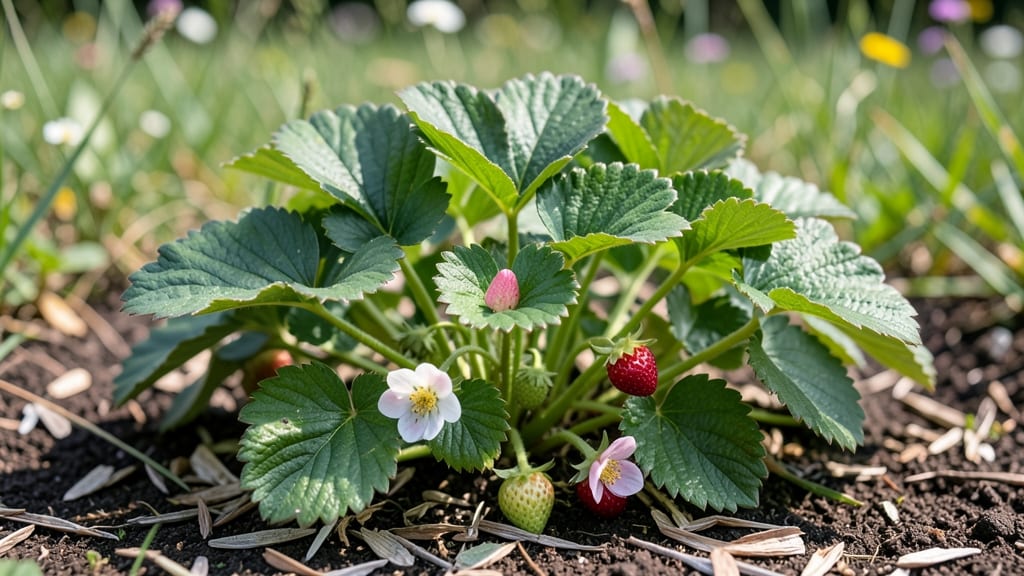
Strawberries take about 30 to 45 days to grow after flowering, but that timeline can feel like forever when you’re staring at those tiny white blossoms and dreaming of ripe fruit 🍓.
Ever wondered why your strawberry plants bloom but refuse to produce fruit? The wait between flowering and ripe strawberries is critical—and knowing the exact timeline can mean the difference between patience and harvest-day victory.
Here’s the good news: with the right care, you can shave days off that 30-45 day window. Temperature, sunlight, and even soil pH play huge roles in speeding up (or slowing down) ripening, so let’s break down what affects your harvest.
From June-bearing varieties to everbearing types, we’ll cover how to tell when your strawberries are ready, what to watch for, and how to troubleshoot delays so you can enjoy sweet, juicy berries sooner.


Strawberry growth timeline after flowering: 30-45 days breakdown
Watching those white strawberry blossoms open is exciting, but the real magic happens in the 30-45 days that follow. This is when your plants transform floral energy into sweet, juicy fruit—or sometimes, nothing at all.
Understanding this post-flowering timeline helps you anticipate harvests, troubleshoot delays, and optimize growing conditions for faster ripening.
From pollination to fruit set, then through green development to full ripeness, each stage depends on sunlight, temperature, and water. Let’s break down what happens day-by-day and how to ensure your strawberries reach the harvest-ready stage on schedule.
Pro Tip: Most strawberries take 30-45 days to ripen after flowering, but varieties like Albion or Seascape can finish in as few as 25 days under ideal conditions. June-bearing types often need the full 60 days, while everbearing varieties may ripen faster if given consistent care.
During the first 7 days after flowering, your strawberries are most vulnerable to failed fruit set. This happens when pollination fails or temperatures dip below 55°F or rise above 85°F.
To prevent this, hand-pollinate with a soft brush if bees are scarce, and use row covers during heatwaves or cold snaps.
Between days 8-21, your berries enter their fastest growth phase. This is when they need consistent moisture—water deeply 2-3 times per week to avoid cracking or misshapen fruit.
Mulch with straw to retain soil moisture and keep berries clean. Morning watering is ideal to prevent fungal diseases like gray mold.
As berries transition from green to red (days 22-30), they’re developing sugars and acids that define their flavor. Sunlight exposure is critical here—shady conditions can lead to pale, bland fruit.
If your plants are in containers, move them to a south-facing spot or use reflective surfaces to maximize light.
By day 30, your strawberries should be fully red and ready for harvest—or nearly there. Check for harvest readiness by gently squeezing the berry; it should yield slightly like a ripe peach.
If left too long on the vine, they’ll soften and attract pests like birds or slugs. Harvest in the morning when sugars are highest.
Some gardeners rush to pick strawberries as soon as they turn red, but full ripeness occurs 2-3 days later when they’ve absorbed maximum sunlight. For the sweetest flavor, wait until the berry is deep red all over and fragrant.
If you’re growing everbearing varieties, like Ozark Beauty, you might see multiple flushes of fruit throughout the season.
Temperature plays a huge role in ripening speed. Ideal daytime temps are 70-80°F, while nights should stay above 50°F. If your area experiences heatwaves (above 90°F), berries may ripen faster
5 Key factors that speed up or slow down strawberry ripening after flowering
After your strawberries bloom, the 30-45 day wait for ripe fruit can feel endless—but don’t worry! Several key factors determine whether your berries ripen quickly or linger on the vine.
Understanding these can help you troubleshoot delays and optimize your harvest. The good news? Most issues have simple fixes, from adjusting your watering routine to boosting pollination success.
I’ve grown strawberries for over a decade, and I’ve seen how small changes—like soil pH adjustments or shade management—can turn a slow ripening season into a bountiful harvest.
Let’s break down the top 5 factors that make or break your strawberry timeline, so you can take action and enjoy those sweet, juicy berries sooner.
- 🌱 Soil pH (5.5-6.8) – Acidic soil slows nutrient uptake, delaying ripening. Test and amend with lime or sulfur if needed.
- 🐝 Pollination success – Wind or bees pollinate strawberries; hand-pollinate with a paintbrush if blooms aren’t setting fruit.
- 💧 Water stress – Overwatering causes rot, while underwatering shrinks fruit. Aim for 1 inch of water weekly.
- ☀️ Sunlight exposure – Less than 6 hours of sun slows sugar development. Move containers or prune shade trees.
- 🌿 Plant health – Pests (slugs, aphids) or diseases (gray mold) drain energy. Use row covers or neem oil preemptively.
The first factor to tackle is soil pH. Strawberries thrive in slightly acidic to neutral soil, with an ideal range of 5.5 to 6.8. If your soil is too acidic (below 5.5), your plants struggle to absorb essential nutrients like phosphorus, which directly impacts fruit development.
I once had a patch of strawberries that took two weeks longer to ripen because the soil pH was off—after testing and adding crushed limestone, the next harvest came in on time.
Next up is pollination, which is often overlooked. Strawberries rely on bees or wind to transfer pollen, but in urban gardens or greenhouses, this can fail. If you notice blooms but no fruit sets, try hand-pollinating with a soft paintbrush.
Gently brush the stamens of one flower onto the pistils of another. This simple trick can cut your ripening time by 5-7 days by ensuring every flower has a chance to develop fruit.
Watering is another common culprit for delayed ripening. Inconsistent moisture—whether from drought stress or soggy soil—can stunt fruit growth. Aim for deep, infrequent watering (about 1 inch per week) to encourage strong root development.
I’ve seen strawberries shrivel on the vine when plants are thirsty, while consistent moisture leads to plump, juicy berries ready in the standard 30-45 day window. Mulching with straw helps retain moisture and regulate soil temperature.
Don’t underestimate the power of sunlight. Strawberries need at least 6 hours of direct sun daily to develop their signature sweetness. If your garden is shady, consider relocating containers or pruning nearby trees.
I once had a row of strawberries under a large oak tree that took 10 days longer to ripen—once I moved them to a sunnier spot, the difference was night and day. Even partial shade can delay sugar production, so prioritize full sun for faster ripening.
Finally, plant health is the foundation of everything else. Pests like slugs or aphids can sap energy from your strawberries, while diseases like gray mold can rot fruit before it ripens.
I recommend using row covers early in the season to block pests, and applying neem oil as a preventative measure. Healthy plants ripen faster and produce more consistently, so don’t skip this step—it’s the difference between a 30-day harvest and a 45-day wait.