
How To
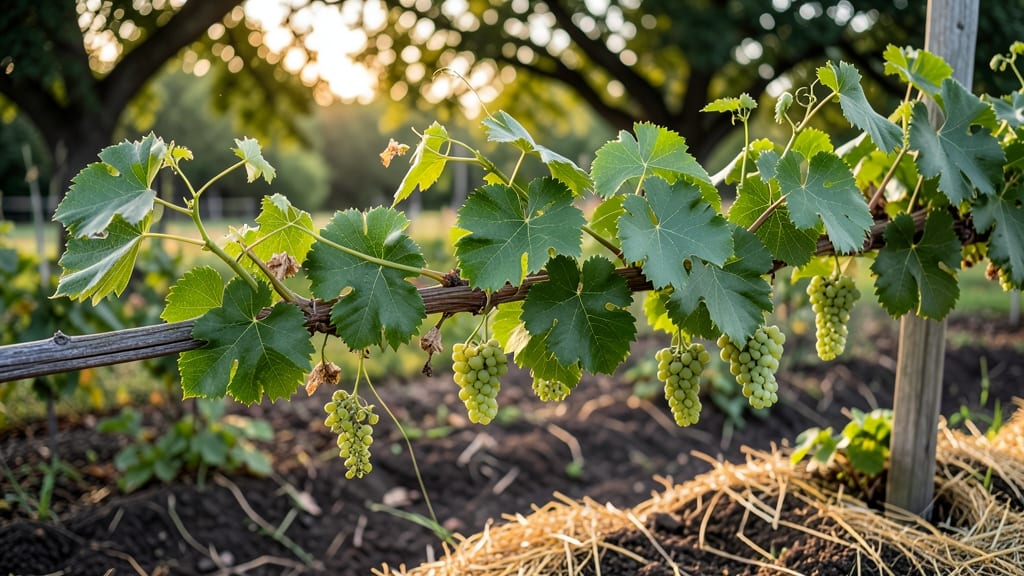
Grapes take between 120 to 180 days to grow after flowering, turning delicate blossoms into sweet clusters ready for harvest 🍇 — but that timeline shifts wildly depending on the variety and your local climate.
Picture this: you’ve just admired your grapevine’s pretty flowers, only to wonder, "Will I even get fruit this year?" The truth? Some varieties like Thompson Seedless ripen in as little as 120 days, while others, like Cabernet Sauvignon, can drag out to 180 days or more.
That’s why knowing your grape’s personality—and your growing conditions—is the key to avoiding a harvest letdown.
From the moment those flowers drop to when the grapes plump up and change color, every stage matters. Too little water? The fruit might shrivel. Not enough sun? Ripening slows to a crawl.
Below, I’ll break down the exact timeline for popular grapes, plus the secrets to speeding up (or slowing down) growth so you’re picking at peak flavor.
Ready to stop guessing and start planning? You’ll learn how to track ripening, adjust care for your climate, and even predict your harvest date like a pro—no crystal ball required.


Grape variety timeline: flowering to harvest duration breakdown
Understanding the flowering to harvest timeline for grapes is essential for planning your vineyard or backyard garden.
After those beautiful grapevine flowers bloom, it typically takes 80 to 180 days for fruit to ripen, depending on the variety and growing conditions. Table grapes like Thompson Seedless often mature faster, while wine grapes such as Cabernet Sauvignon may take longer to reach full ripeness.
Climate plays a huge role in this process. Warm, sunny regions like California’s Central Valley can accelerate ripening, while cooler climates in the Pacific Northwest may extend the timeline. Sunlight exposure and consistent watering are critical factors that directly impact how quickly grapes develop after flowering.
Here’s a quick breakdown of what to expect for popular grape varieties, including how long each takes to grow from flowering to harvest:
For Thompson Seedless grapes, you can expect fruit to appear within 80 to 100 days after flowering, making them ideal for gardeners in warmer climates.
These grapes are quick to mature, often ready for harvest by late summer. Concord grapes, on the other hand, take slightly longer, typically 100 to 120 days, and are more adaptable to cooler regions.
If you’re growing Cabernet Sauvignon for wine, be prepared for a longer wait—this variety can take up to 180 days to ripen fully.
It requires a longer growing season with plenty of sunlight and warmth. Chardonnay grapes fall somewhere in between, usually needing 120 to 150 days to reach harvest readiness.
To ensure your grapes ripen on schedule, monitor temperature fluctuations and watering consistency. Overwatering can delay ripening, while consistent moisture helps speed up the process. Pruning in late winter also encourages healthier growth and better fruit set.
Keep an eye out for veraison, the stage where grapes change color from green to their mature hue. This is a key indicator that harvest is approaching. For example, red wine grapes will turn deep purple, while green table grapes will develop a golden or red blush.
In cooler climates, you might need to extend the growing season with row covers or choose early-ripening varieties like Flame Seedless. Meanwhile, in hotter regions, shade cloth can prevent sunburn on grapes as they near harvest.
By understanding these timelines and adjusting your care routine, you’ll be well on your way to a successful grape harvest—whether you’re growing for fresh eating, jams, or wine! 🍇
Critical growth stages after flowering: what to watch for
After those beautiful grapevine flowers bloom, the real magic happens—your clusters will transform from tiny berries to juicy, harvest-ready fruit. But this journey isn’t passive; each stage demands attention to avoid shatter (fruit drop) or millerandage (uneven berry sizes).
Understanding these critical growth stages helps you optimize care and maximize yield.
From fruit set to veraison (the color change) to full ripeness, timing varies by variety but follows predictable patterns. For example, Thompson Seedless grapes typically take 8-10 weeks to ripen after flowering, while Concord varieties may need 10-12 weeks.
Knowing what to watch for at each phase ensures you’re ready to act when issues arise.
Tiny berries form; monitor for shatter (dropped fruit) due to poor pollination or stress. Thin clusters to 1/2 inch between berries to improve air circulation.
Berries grow rapidly; watch for millerandage (uneven sizes). Ensure consistent watering and balanced fertilization to avoid stunted growth.
Berries soften and change color; this is when sugar accumulation begins. Reduce watering slightly to concentrate flavors and prevent dilution.
Grapes reach full size and color; test Brix levels (sugar content) to confirm readiness. Harvest before birds or pests take over!
During fruit set, thin clusters early to prevent overcrowding, which can lead to mold or rot. Leave 1 inch between berries to ensure each gets sunlight and air.
This stage is also when shatter is most likely—if you see excessive fruit drop, check for poor pollination or environmental stress like extreme heat.
As berries enter berry development, their growth accelerates. Here’s where millerandage often appears—small, shriveled berries mixed with large ones. To prevent this, maintain consistent moisture and avoid over-fertilizing with nitrogen, which promotes leafy growth over fruit. A balanced fertilizer (like 10-10-10) supports even development.
Veraison is the most exciting stage—berries soften, colors deepen, and sugars start building. This is when red grapes turn purple and green grapes develop golden hues. Reduce watering slightly (but don’t dry them out) to help concentrate flavors.
Use a hydrometer to test Brix levels; most table grapes need 15-22 Brix for sweetness.
Finally, during ripening, grapes are vulnerable to pests like birds and wasps. Cover clusters with fine netting if needed, and harvest promptly when berries detach easily from the stem. For wine grapes, aim for slightly lower Brix (20-24) to balance acidity and tannins.
By tracking these stages closely, you’ll catch issues early and enjoy a harvest of perfectly ripe, flavorful grapes. Pay attention to the color change, berry firmness, and taste tests—your vines will thank you with a bountiful reward! 🍇