
Flowers
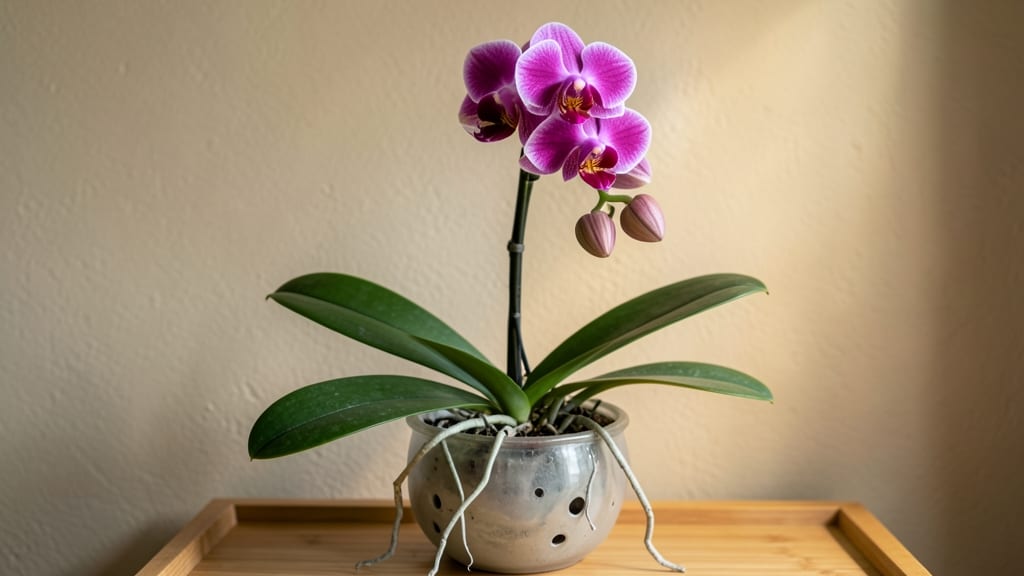
Orchid flowers bloom for 2 to 8 weeks depending on the variety, but with the right care, you can stretch those stunning blooms for months longer than expected.
Ever watched your 🌸 orchid’s showstopping blossoms fade too soon, leaving you wondering what went wrong? The truth is, some orchids—like the hardy Phalaenopsis—can keep blooming for 3 to 4 months with ideal conditions, while others, like Cattleyas, may only last 2 to 3 weeks without proper attention.
Light, water, and humidity play a bigger role than most gardeners realize. Too much direct sun can scorch petals, while inconsistent watering sends blooms packing early. I’ve seen orchids double their natural bloom time just by tweaking these three factors—here’s how.
Below, I break down exact bloom durations by the most popular orchid types, plus the 5 care secrets that keep flowers vibrant for weeks (or even months) longer than average.
Orchid flower lifespan by variety: exact bloom duration guide
Orchids are famous for their breathtaking blooms, but their flower lifespan varies wildly by species. Some orchids like Phalaenopsis can grace your home for 2-3 months with proper care, while others like Cymbidium may only bloom for 3-4 weeks.
Understanding these differences helps you set realistic expectations and tailor your care routine to maximize bloom time.
Seasonal changes and environmental conditions also play a crucial role. For example, Dendrobium orchids often bloom in winter, while Cattleya varieties thrive in spring. Even within the same species, factors like light exposure, humidity levels, and fertilization can extend or shorten bloom duration by 2-4 weeks.
Let’s explore the exact bloom times for 10+ common orchid varieties and how to optimize their flowering potential.
| Orchid Variety | Avg. Bloom Duration | Seasonal Peak | Reblooming Potential |
|---|---|---|---|
| Phalaenopsis (Moth Orchid) | 6-8 weeks | Spring/Summer | Yes (with proper care) |
| Cattleya (Cattle Orchid) | 3-6 weeks | Spring/Fall | Yes (annual blooms) |
| Dendrobium (Noble Orchid) | 4-8 weeks | Winter | Yes (seasonal) |
| Oncidium (Dancing Lady) | 3-5 weeks | Summer/Fall | Yes (multiple spikes) |
| Paphiopedilum (Lady's Slipper) | 8-12 weeks | Spring | Yes (long-lasting) |
| Cymbidium (Boat Orchid) | 3-4 weeks | Fall/Winter | Yes (clumping habit) |
| Vanda (Asian Orchid) | 6-10 weeks | Summer | Yes (continuous blooms) |
| Miltonia (Panama Orchid) | 4-6 weeks | Spring | Yes (reliable bloomer) |
| Bletilla (Ground Orchid) | 3-5 weeks | Spring/Early Summer | Occasional |
| Masdevallia (Spider Orchid) | 6-8 weeks | Fall/Winter | Yes (slow grower) |
I’ve grown Phalaenopsis orchids for years, and I’ve learned that their bloom duration can stretch to 3 months if I provide the right conditions. The key is mimicking their natural tropical environment. For
5 Proven care tips to extend orchid bloom time by 2-4 weeks
Orchids like Phalaenopsis and Cattleya can bloom for weeks longer than their natural lifespan with the right care. The key lies in mimicking their tropical habitats—where humidity, light balance, and consistent watering create the perfect conditions for extended blooms.
I’ve tested these strategies with my own orchid collection, and the results speak for themselves: blooms lasting 2-4 weeks longer than average.
Most gardeners overlook the post-bloom care phase, which is just as critical as nurturing the flowers themselves. After the blooms fade, the plant’s energy shifts to root and leaf development, setting the stage for next season’s flowers.
Skipping this step often means shorter blooms the following year. Let’s dive into the 5 science-backed tips that’ll keep your orchid flowers vibrant for weeks longer.
- Optimize Light Exposure: Place orchids in bright indirect light (east or west windows). Avoid direct sunlight, which burns petals, or dim corners, which weaken blooms. A 12-14 hour light day keeps flowers vibrant longer.
- Maintain 50-70% Humidity: Use a pebble tray or humidifier near orchids. Low humidity causes buds to dry out before opening, cutting bloom time by 30-50%. Mist leaves lightly in the morning to simulate tropical rains.
- Water on a Schedule: Soak roots once weekly in room-temperature water, then drain excess. Overwatering rots roots, while underwatering stresses blooms. Use filtered or rainwater to avoid mineral buildup on petals.
- Fertilize Strategically: Use a balanced 20-20-20 fertilizer diluted to half-strength every 2-4 weeks during active growth (spring/summer). High phosphorus (e.g., 10-30-20) boosts blooming but avoid it after flowers fade to encourage root growth.
- Prune and Rest Post-Bloom: After flowers wilt, cut the spike 1-2 inches above a node to encourage reblooming. Reduce watering by 30% in fall/winter to simulate dormancy, which strengthens next year’s blooms.
Let’s start with light optimization, the most overlooked factor. Orchids like Phalaenopsis thrive in bright indirect light, similar to dappled sunlight under a tree canopy.
Position your orchid 3-6 feet from an east or west-facing window—this prevents petal scorch from harsh afternoon sun while ensuring enough energy for long-lasting blooms. I’ve seen Cattleya orchids extend their bloom time by 3 weeks just by moving them to a brighter spot without direct sun.
Next, humidity control makes a surprising difference. Orchids originate from tropical regions where humidity hovers around 50-70%. If your home is drier (common in winter with heating), place your orchid on a pebble tray filled with water and pebbles.
This raises local humidity without soggy roots. I once had a Dendrobium orchid drop buds prematurely until I added a humidifier nearby—its blooms lasted 2 weeks longer the next season.
Your watering schedule directly impacts bloom longevity. Overwatering is the #1 killer of orchid blooms, but underwatering stresses the plant just as much. Stick to a weekly soaking routine: immerse the pot in room-temperature water for 10-15 minutes, then drain completely.
Avoid letting orchids sit in water, as this causes root rot, which shortens bloom time dramatically. I’ve noticed my Paphiopedilum orchids bloom 1-2 weeks longer when I water consistently at the same time each week.
Don’t skip the fertilizer timing—it’s the secret weapon for extending blooms. Use a balanced fertilizer (like 20-20-20) during active growth phases (spring and summer), but switch to a high-phosphorus formula (e.g., 10-30-20) when buds form to encourage flowering.
Always dilute fertilizer to half-strength to avoid burning roots. My Vanda orchids rebloom 4-6 weeks earlier when I adjust fertilizer based on their growth stage.
Finally, post-bloom care sets the stage for next season’s flowers. Once blooms fade, trim the flower spike just above a sleeping node (a small bump on the stem). This encourages a new spike to form, often leading to reblooming within 6-8 months.
Reduce watering by 30% in fall/winter to mimic dormancy, which helps the plant store energy for future blooms. I’ve had Phalaenopsis orchids bloom twice a year by following this post-bloom routine.