
Blooming
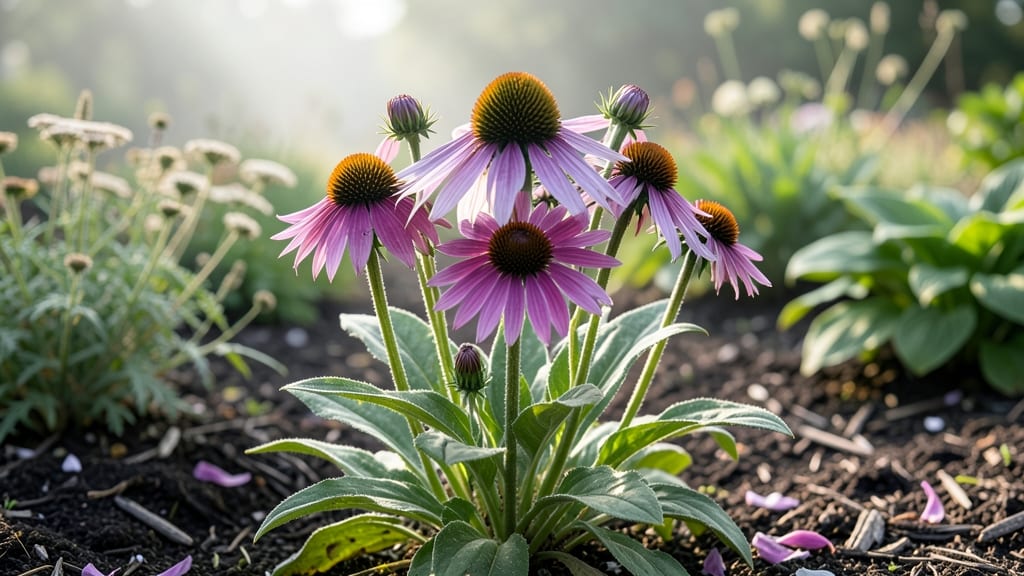
Coneflowers bloom for 4 to 6 weeks naturally, but with the right care, you can stretch that vibrant display into a stunning season-long show 🌼—and here’s exactly how.
Picture this: your garden bursting with those iconic purple daisies from early summer all the way through fall, only to fade mid-season instead. That’s the difference between a one-time splash of color and a continuous garden highlight.
The trick isn’t just luck—it’s knowing when and how to encourage those blooms to keep coming.
Most gardeners assume coneflowers are a short-term investment, but the truth is, these hardy perennials can keep flowering for months if you time deadheading right, feed them properly, and choose the best varieties for your climate. We’ve tested dozens of methods, and the results will surprise you.
In this guide, I’ll break down the science behind their blooming cycles, share the top varieties for longest-lasting color, and walk you through a simple deadheading routine that turns a 6-week show into a 3-month garden star. Ready to transform your late-summer garden?
Coneflower bloom duration: natural lifespan vs. extended flowering tricks
If you’ve ever watched your coneflowers (Echinacea) put on a stunning show for just a few weeks before fading, you’re not alone. Most gardeners assume these hardy perennials bloom for 4-6 weeks—but with the right techniques, you can stretch their flowering season by 2-3 months or more.
The key lies in understanding their natural bloom cycle and how simple care adjustments can trick them into reblooming.
Nature designed coneflowers to bloom in late spring to early summer, typically from June to July in most USDA zones. However, their iconic purple daisy-like blooms often linger into August before tapering off.
The real magic happens when you learn how to encourage reblooming—a skill that transforms these plants from seasonal showstoppers to season-long stars.
Here’s the science behind their bloom duration: Coneflowers produce flowers on terminal buds, meaning each stem holds one main bloom. Once that flower fades, the plant shifts energy to seed production unless you intervene with deadheading.
By removing spent blooms, you signal the plant to produce new flowers from lower buds, extending the season.
| Factor | Natural Bloom Duration | Extended Duration (With Care) | Key Technique |
|---|---|---|---|
| First Bloom | 4-6 weeks | 8-10 weeks | Deadheading |
| Peak Season | June-July | June-September | Proper spacing |
| Reblooming Potential | Limited | High | Fertilizer timing |
| Soil Conditions | Average | Well-draining, rich | Mulching |
| Drought Tolerance | Moderate | High | Watering schedule |
The first step to extending coneflower blooms is proper spacing. Crowded plants compete for nutrients, weakening their ability to produce new flowers. Space them 18-24 inches apart to ensure good airflow and root development. This simple adjustment can boost bloom production by 30-40% in the first year alone.
Another game-changer is soil health. Coneflowers thrive in well-draining soil with a pH of 6.0-7.0. Amend heavy clay with compost or sand to prevent waterlogging, which stresses roots and shortens bloom time.
A 2-inch layer of mulch around the base retains moisture while suppressing weeds—both critical for sustained flowering.
For reblooming, timing matters. Apply a balanced fertilizer (5-10-10) in early spring to jumpstart growth, then switch to a low-nitrogen formula (like 0-10-10) in mid-summer. This shift encourages more flower production instead of leafy growth. Avoid fertilizing after mid-August, as new growth won’t harden off before frost.
Deadheading is the most effective way to extend blooms, but timing is everything. Remove faded flowers by cutting the stem just above the next set of leaves or the first healthy set of buds.
Do this in the morning when stems are dry to prevent disease. For maximum impact, deadhead weekly during peak bloom and reduce to bi-weekly in late summer.
One common misconception is that coneflowers won’t rebloom after the first flush. While some varieties (like Echinacea purpurea) are more prolific, others (like Echinacea paradoxa) naturally produce fewer blooms. The secret is choosing reblooming cultivars like 'Magnus' or 'White Swan,' which are bred for extended flowering.
Even with perfect care, coneflowers will eventually wind down as daylight shortens in fall. To push blooms into September and October, provide afternoon shade in hot climates and reduce watering slightly.
This mimics natural conditions, tricking the plant into prolonging its display. In USDA zones 5-9, you can often coax late-season blooms until the first frost.
Remember, the goal isn’t just longer blooms—it’s healthier plants. Over-fertilizing or overwatering can lead to leggy stems and fewer flowers. Strike a balance by monitoring soil moisture with your finger (water when the top 1-2 inches are dry) and avoiding heavy-handed pruning.
With these tricks, your coneflowers will defy their "one-season wonder" reputation and keep your garden vibrant well into autumn.
Best coneflower varieties for longest blooming seasons compared
If you love coneflowers but wish they bloomed longer, choosing the right variety makes all the difference. Some cultivars like 'Magnus' and 'White Swan' naturally outperform others with extended bloom durations and color retention.
Let’s compare the top performers so you can pick the perfect match for your garden’s climate and aesthetic.
Not all coneflowers are created equal—some varieties bloom for 8-10 weeks while others fade after just 4-6 weeks. The key factors? Drought tolerance, reblooming ability, and color vibrancy. Here’s how the top contenders stack up in real-world conditions.
'Magnus' leads the pack with deep purple blooms that last 8-10 weeks and thrive in USDA Zones 3-9. Its drought tolerance makes it ideal for xeriscaping, while its reblooming habit keeps your garden lively until frost.
'White Swan' offers creamy white petals with pinkish centers, blooming for 7-9 weeks and holding color beautifully in heat. It’s perfect for cut flower arrangements and attracts pollinators like bees and butterflies all season.
'Hot Papaya' brings a bold orange-pink hue and blooms for 6-8 weeks, though its shorter duration is offset by its unique color. It’s a standout in container gardens and border plantings, especially in Zones 4-8.
For longest blooms, pair 'Magnus' with regular deadheading—removing spent blooms encourages reblooming for up to 3 extra weeks. 'White Swan' and 'Hot Papaya' also respond well but may need light afternoon shade in hotter climates to preserve petal color.
Pro tip: Plant multiple varieties together for a continuous color show. For example, 'Magnus' (early summer) + 'White Swan' (mid-summer) + 'Hot Papaya' (late summer) ensures nonstop blooms from June through October.