
Flowers
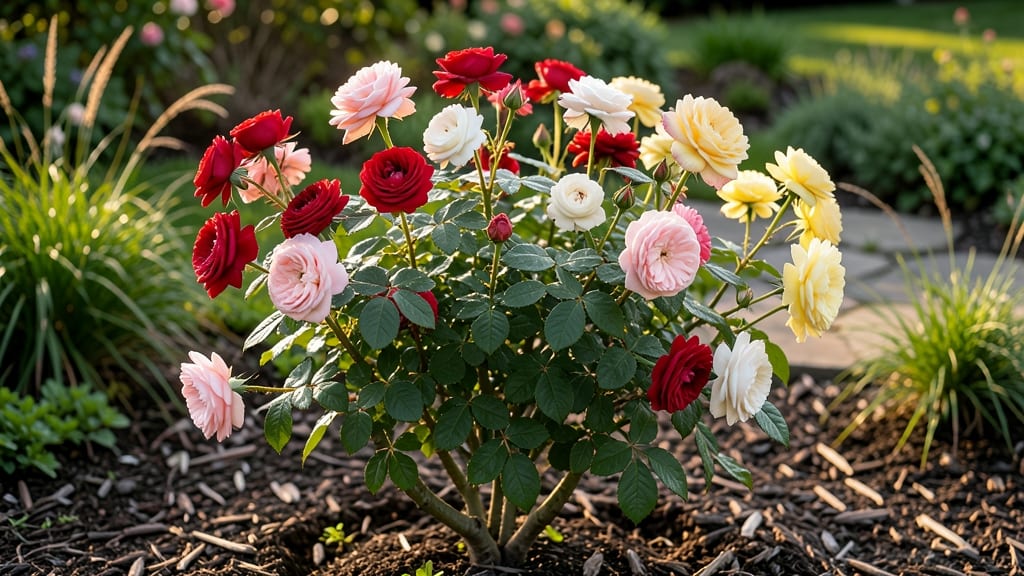
The flowering season of rose 🌹 varies wildly depending on your zone—from early spring bursts in mild climates to late-summer reblooms in cooler areas.
Wondering why your roses bloom at different times each year? The answer lies in your USDA zone—and mastering these seasonal patterns can double your rose garden’s beauty.
In Zone 6a, like many gardeners, you’ll see the first flush of blooms in May, but with the right pruning and care, you can coax roses into flowering as early as April or as late as September.
Below, I’ll break down the exact bloom windows by region, share pruning tricks to extend your rose’s season, and reveal 5 climate hacks to trick roses into blooming earlier or later—no matter where you live.
USDA zone bloom calendar: when roses flower by region
Your USDA zone determines when roses bloom, but even within the same zone, microclimates and rose varieties create stunning variations. In Zone 3, hardy shrub roses like 'Dr. Huey' burst into bloom by late May, while Zone 11 gardeners enjoy near year-round blooms with varieties like 'Iceberg'.
Understanding these patterns helps you plan for peak flowering seasons and extend your garden's beauty.
Roses generally follow three bloom cycles: spring flush, summer rebloom, and fall extension. Hybrid teas often bloom in late spring and again in summer, while climbing roses may produce their best displays in early summer.
Your local climate—especially heat zones—can shift these timelines by weeks, so pay attention to last frost dates and summer heat spikes.
Here’s how flowering seasons vary by USDA zone, including adjustments for heat zones and microclimates:
| USDA Zone | Early Bloomers | Peak Season | Late Bloomers | Heat Zone Adjustments |
|---|---|---|---|---|
| 3-4 | Late May | June-July | August (if warm) | Shorten bloom season; mulch heavily |
| 5-6 | Early June | July-August | September | Prune for airflow; water deeply |
| 7-8 | Mid-May | June-September | October (fall varieties) | Shade cloth for summer; fertilize lightly |
| 9-10 | April-May | May-November | December (tropical varieties) | Mulch to retain moisture; avoid overwatering |
| 11 | Year-round (tropical) | Continuous blooms | N/A | Protect from frost; use shade in summer |
In Zones 3-4, roses like 'Knock Out' and 'Double Knock Out' are disease-resistant and bloom from June to frost, making them ideal for shorter seasons.
For Zones 5-6, hybrid teas such as 'Mister Lincoln' shine with late spring and summer blooms, while climbing roses like 'New Dawn' extend the season into fall.
Warmer Zones 7-8 allow for continuous blooming with varieties like 'Earth Song', a shrub rose that flowers from spring to frost. Here, heat stress can reduce blooms, so mulching and morning watering are critical.
In Zones 9-10, roses like 'Iceberg' and 'Julia Child' produce prolonged blooms with minimal care, but summer heat may require shade cloth to prevent wilting.
For Zone 11, tropical roses like 'Tropical Sunset' bloom nearly year-round, but frost protection is essential during rare cold snaps. Even in mild climates, deadheading spent blooms encourages new growth, extending the season by 4-6 weeks.
In cooler microclimates, like valleys or near water, roses may bloom 2-3 weeks later than their zone average.
To maximize blooms, align your pruning schedule with your zone’s natural cycles. In Zones 3-6, prune in early spring to encourage spring flushes, while Zones 7-11 benefit from light summer pruning to promote fall reblooms.
Always remove dead or diseased wood first—this keeps your roses healthy and bloom-ready
Pruning tricks to extend rose flowering season by 6-8 weeks
Roses reward precise pruning with longer bloom cycles—up to 6-8 extra weeks of color if done right. The key lies in understanding your rose type: repeat bloomers (like hybrid teas) need frequent shaping, while once-bloomers (such as rugosas) thrive with minimal cuts.
Timing matters too—prune at the wrong season, and you’ll stunt growth instead of extending those petals.
Start by identifying your roses’ natural rhythm. Repeat bloomers produce flowers on current season’s growth, so aggressive pruning in late winter spurs fresh shoots. Once-bloomers, however, flower on old wood—prune too hard, and you’ll sacrifice their single spectacular flush.
Even a 5-minute weekly check for spent blooms can add weeks to your season.
🌹 Step-by-Step Pruning for Extended Blooms
-
Step 1: Late Winter Pruning (Zones 5-9)
Cut back repeat bloomers to 12-18 inches tall (or 3-5 strong canes) in February-March. For once-bloomers, trim only dead/diseased wood—never more than 20% of the plant. -
Step 2: Deadhead Weekly
Snip spent blooms above a 5-leaflet leaf (the bud union) to redirect energy to new flowers. Use clean, sharp shears to prevent disease. -
Step 3: Summer Light Pruning
In June-July, trim overly leggy growth to encourage bushier habits. Remove crossing branches and water sprouts (thin, upright shoots) to improve airflow. -
Step 4: Fall Cleanup
After first frost, prune dead/diseased canes but leave healthy stems for winter protection. Apply mulch (3-4 inches) to insulate roots. -
Step 5: Post-Bloom Renewal
After main bloom season, give repeat bloomers a light trim (1/3 of growth) to prep for fall reblooms in zones 7-10.
Most gardeners over-prune in winter, thinking it stimulates growth—but roses need old wood to establish strong canes. I once cut my climbing roses back by 50% in January, only to see no blooms until August.
The lesson? Less is more for once-bloomers, while repeat bloomers thrive on bold cuts.
Avoid these 3 deadly mistakes that shorten flowering: pruning in fall (stunts dormancy), using dull shears (tears bark), and ignoring water after pruning. Roses need 1 inch of water weekly post-prune to recover.
I learned this the hard way when my David Austin roses wilted after a July trim—hydration saved them.
For late-season blooms, try this trick: In August-September, apply a low-nitrogen fertilizer (5-10-10) to encourage fall flowers. Pair this with morning watering to prevent fungal issues. My Knock Out roses now bloom until first frost thanks to this routine.
Pro tip: Label your roses! I’ve pruned 30+ varieties and still mix up repeat bloomers from once-bloomers. A simple flag with the name saves time—and stress. With these steps, your roses will flower continuously from May to October (or later, depending on your zone).